Why Cozy Multiplayer Games Are Replacing Sweaty Ranked Nights For Me
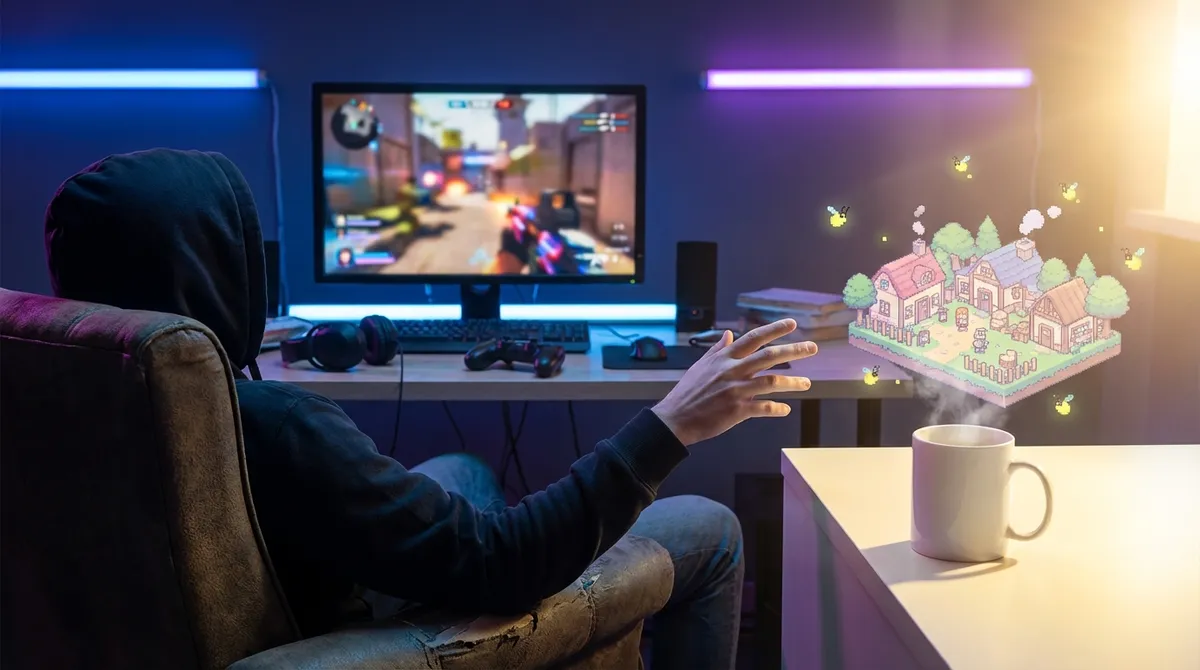
I used to live for sweaty ranked lobbies. Headset on, palms sweating, screaming callouts like my life depended on capturing a digital hill. Then something weird happened: my group chat stopped asking “Ranked tonight?” and started saying “Who’s down for Stardew + voice call?”
I brushed it off as a phase—until I realized I was the one begging friends to hop back into “chill” lobbies. Somewhere between one too many toxic matches and one perfectly stupid game of Goose Goose Duck, I swapped rage for ridiculousness… and I’m not going back.
This isn’t a “gaming is wholesome now” love letter. I still enjoy a good sweat-fest. But cozy multiplayer games—those low-stress, high-vibes experiences—have quietly become my main social life. And there’s actually some science behind why this stuff feels so good.
Let me walk you through how that shift happened, what I’ve learned testing a bunch of these games, and why they might be exactly what your burnt‑out brain needs.
From Tilted to Chilling: How My Game Nights Got Soft (in a Good Way)
A couple of years ago, a typical night for me was: work, dinner, three hours of ranked FPS, and then spend the last match silently tilted while pretending I was “fine.”
The moment things started cracking was during a particularly cursed night of ranked. Back‑to‑back losses, one cheater, and a teammate who typed more slurs than words. I logged off, opened Discord, and typed: “Anyone down for something… not this?”
Someone suggested Stardew Valley co-op. I rolled my eyes. Farming? Fishing? After aiming down sights all night? But I joined anyway.
Two hours later, we were screaming—not from rage, but because my friend accidentally gifted the mayor’s shorts to someone in the town. I wasn’t tracking K/D, I was arguing about where to put the chicken coop. My jaw literally hurt from laughing.
The next night, I opened Steam and, without thinking, hovered over Stardew instead of my usual ranked go‑to. That tiny flicker of hesitation was the start of a full-on habit swap.
Over the next few months I dipped my toes into:
- Stardew Valley for cozy co-op chaos
- Valheim for “let’s build something stupid, then die to a troll” adventures
- Among Us / Goose Goose Duck for pure social chaos
- PlateUp! and Overcooked for relationship stress-testing (friendly reminder: someone must wash dishes)
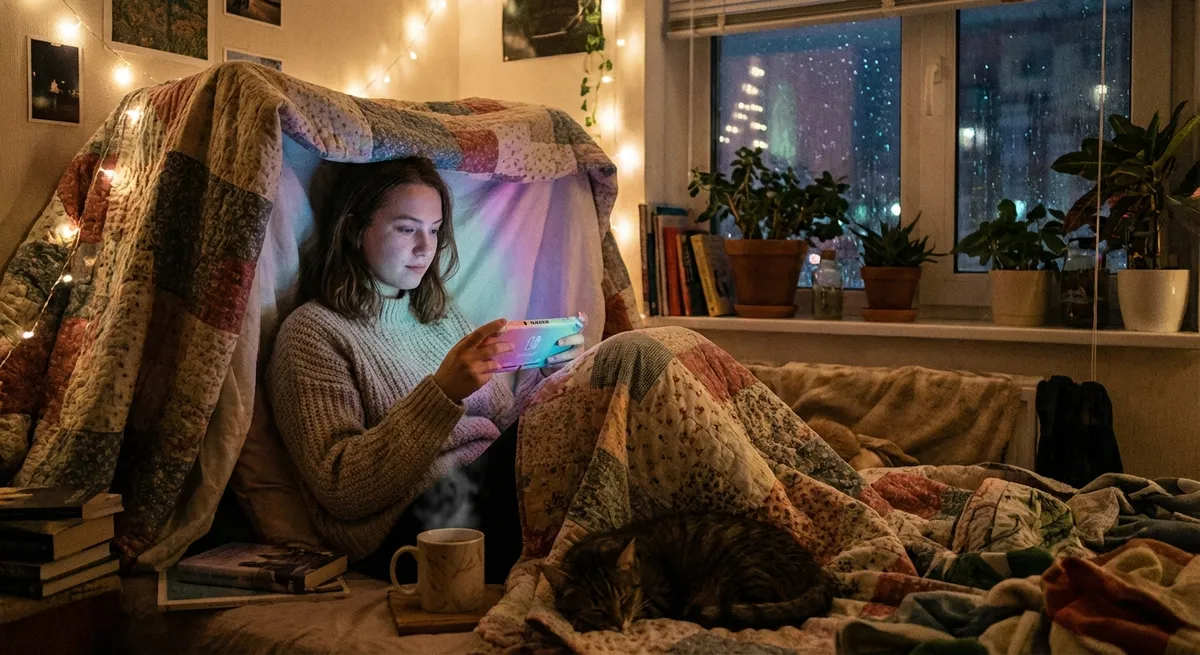
- Animal Crossing: New Horizons as my “introvert-but-still-social” space
What surprised me wasn’t just that they were fun—but that I felt better after playing. Less fried, more recharged. It was like hanging out at a café instead of a nightclub, but for my brain.
Why Cozy Multiplayer Hits Different (And Your Brain Low‑Key Loves It)
Once I realized I was basically using cozy multiplayer as group therapy with extra pixels, I started digging into why it felt so different from deadline-level competitive games.
Here’s what I kept seeing, both in my experience and in actual research:
1. Lower Stakes, Higher Connection
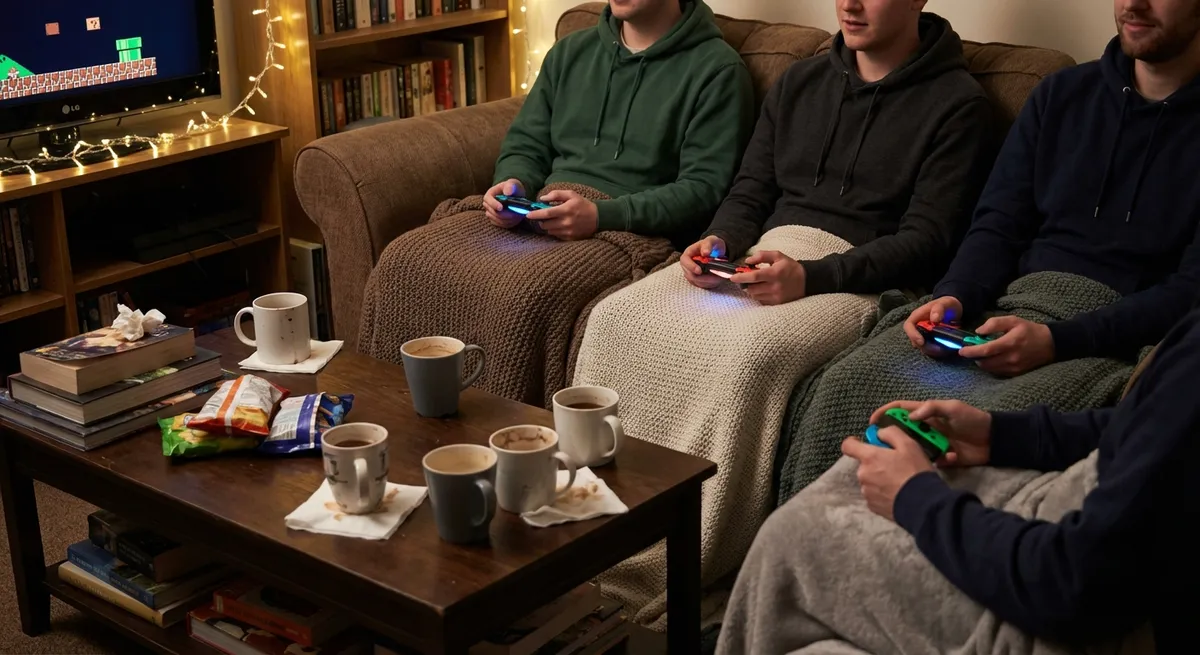
When I tested switching one ranked night a week to a cozy session, I noticed something immediately: we talked more like humans and less like esports commentators.
Games like Stardew or Animal Crossing are mechanically simple enough that your brain has spare bandwidth. You can chat about work drama, relationships, or that awful TikTok you just saw without throwing the match. It all becomes background activity for actual conversation.
Psychologists have been tracking this. A 2020 review in JMIR Serious Games pointed out that online games can increase social connectedness and reduce loneliness, especially when the pressure to “perform” is low and the focus is on collaboration rather than competition.
2. You Still Get the Good Dopamine—Just Without the Crash
Competitive games hit you with:
- High-arousal stress (heart racing, palms sweaty)
- Big dopamine bursts when you clutch a win
- Equally big crashes when you lose, especially on a bad streak
When I tested cozy games after work, I noticed my heart rate never spiked but I still got that little buzz of satisfaction from finishing in-game goals: a good harvest, a new room in my house, a completed quest.
Behavioral researchers at places like Michigan State University have found that cooperative, low-conflict games can improve mood, emotional regulation, and even reduce stress markers—especially when players feel in control and not constantly threatened by failure.
TL;DR: Your brain still gets hits of “I did a thing!” without needing to sweat bullets for it.
3. They’re Weirdly Great for Mental Health Check‑Ins
There’s this thing that keeps happening in my friend group: deep conversations pop up more when we’re doing something low-stakes together.
Planting crops in Stardew? Suddenly someone’s talking about burnout. Organizing an island in Animal Crossing? That’s when a friend casually drops, “I think my job’s actually making me miserable.”
It lines up with what mental health orgs like NAMI have been saying for years: side-by-side activities (like driving, walking, or yes, gaming) can feel safer for hard conversations than intense face-to-face talks.
I’ve lost count of how many “Hey, you good?” moments have started because someone went quiet for a few minutes while decorating their in-game house.
Not All Vibes Are Equal: The Hidden Friction in Cozy Multiplayer
I love these games, but they’re not perfect. When I tested a bunch across PC and console, a few recurring pain points popped up.
The Pros I Keep Coming Back For
- Easy on the brain: After a long workday, I don’t want to learn 47 new mechanics or memorize recoil patterns. Cozy games respect “couch brain” energy.
- They’re flexible: Need a 30-minute chill session? Animal Crossing or Stardew fits. Want a 4‑hour building marathon? Valheim’s got you.
- They’re inclusive: I’ve pulled non‑gamers into Animal Crossing and Stardew way easier than into an FPS. No one’s intimidated by cute cows.
- They actually build stories: My most memorable gaming stories lately aren’t ranked clutches—they’re things like:
- The time we set our Valheim house on fire with one poorly placed campfire
- The Stardew incident when we all forgot to water crops during the Egg Festival and nearly wiped a whole season’s profit
- The Overcooked evening that almost ended a friendship (and then we laughed about it for months)
The Cons You Don’t See on the Store Page
- Time-gated frustration: Games like Animal Crossing use real-time clocks. If you only play at night, certain events or characters are just… never there. In my experience, that can feel more like a mobile game grind than relaxation.
- Progress desync: With some co‑op games, only the host’s world really progresses. I’ve had people burn out because “it’s your farm, not mine.”
- Analysis paralysis: Too much freedom can be stressful. I’ve watched friends freeze because decorating or base-building feels like an endless to-do list.
- Not all “cozy” is actually low-stress: Overcooked, PlateUp!, and even some farming sims have timers, strict goals, or punishing mechanics. When I tested PlateUp on a bad day, it felt more like work than play.
So no, cozy multiplayer isn’t some magical cure-all. But if you know what you’re in for and pick the right flavor for your group, it can be exactly the chill you’re looking for.
How to Turn Cozy Games Into the Best Group Hangout You’ve Had All Week
After flipping my own game nights around and dragging multiple friend groups into the experiment, here’s what’s actually worked—not in theory, but in real Discord call chaos.
1. Treat It Like Game Night, Not “Content”
When I streamed some of these sessions, the vibe changed instantly. People started performing instead of relaxing: exaggerated reactions, “clip this!” energy, constant pressure to be entertaining.
When we don’t stream, people open up more, take breaks, and don’t feel bad tabbing out to reply to texts. If you want the mental health and social benefits, I’d keep most cozy sessions off-camera and off-Twitch.
2. Pick a “House Game” for Your Group
What worked amazingly for my friends was agreeing on one default “house game” we always come back to. For us, that’s Stardew. For another group I play with, it’s Valheim.
Benefits I noticed:
- Less time wasted scrolling libraries arguing what to play
- Everyone gradually learns the mechanics and can help newer players
- Inside jokes build faster (“not another mayo empire run, please”)
If your group is mixed PC/console, check cross-play support first. I’ve lost an entire night to “Wait, this isn’t cross-platform?”
3. Create Low-Pressure “Drop-In” Rules
We set some ground rules that killed FOMO and made people more likely to join:
- If you’re late, you can still hop in—no guilt.
- If you need to leave early, just say “I’m dipping after this in-game day/quest.”
- No one gets roasted for missing sessions. We’ll catch you up.
Once we started saying this stuff out loud, more friends who usually say “nah, I’ll just watch” actually joined in.
4. Use Voice Chat, But Don’t Force It
Voice chat takes cozy multiplayer from “eh, this is fine” to “I just accidentally stayed up 3 hours too late.”
That said, I’ve had friends who are socially anxious or exhausted from meetings all day. For them, I offer: “Mic optional, no pressure.” They’ll sometimes just listen and type in chat. That halfway participation is still real connection.
5. Have a “No Serious Life Decisions” Rule Mid-Game
This one sounds stupid, but I’m dead serious: cozy games have a way of creating emotional intimacy fast. It’s very easy to end up trauma-dumping at 1:30 a.m. while rearranging your virtual living room.
My group’s rule: heavy topics are welcome… but we don’t make major decisions (quitting jobs, breaking up, moving cities) in the middle of a session. Sleep on it, then talk again tomorrow.
It keeps the vibe safe and prevents groupthink fueled by late-night brain fog.
Where Cozy Fits Next to Your Ranked Grind
I haven’t uninstalled my competitive games. I still love the rush of a hard-fought win and the satisfaction of real mechanical improvement. But I’ve stopped pretending that’s the only valid way to game.
Here’s the balance that’s working for me now:
- Ranked or high-intensity games:
- When I’m rested
- When I want to test myself
- When losing won’t ruin my night
- Cozy multiplayer:
- On stressful workdays
- When I just want to see my friends’ names pop up in Discord
- On nights I care more about conversation than performance
Since shifting to this mix, I’ve noticed I log off feeling lighter, not wired. I’ve had more real talks with friends in a season of Stardew than in an entire year of battle royales.
If your gaming nights are starting to feel like unpaid overtime, it might be time to add a little cottagecore chaos to the rotation. Not forever, not exclusively—just enough to remember that games can be a soft place to land, not just another arena to survive.
Sources
- Stardew Valley Official Website - Details on co-op features, gameplay structure, and the design philosophy behind one of the most popular cozy multiplayer titles
- JMIR Serious Games – “Benefits of Online Gaming for Mental Health” - Peer‑reviewed overview of how online games can support social connection and emotional well‑being
- NAMI – “Video Games and Mental Health” - Discussion from the National Alliance on Mental Illness about how gaming can positively and negatively impact mental health
- Michigan State University – Games and Emotional Regulation Research - Summary of research indicating that certain types of games can help players manage emotions and reduce stress
- Nintendo – Animal Crossing: New Horizons Overview - Official information on gameplay, real-time mechanics, and social features of a flagship cozy multiplayer experience