Why Cozy Games Hit Different When You’re Burned Out by “Sweaty” Multiplayer
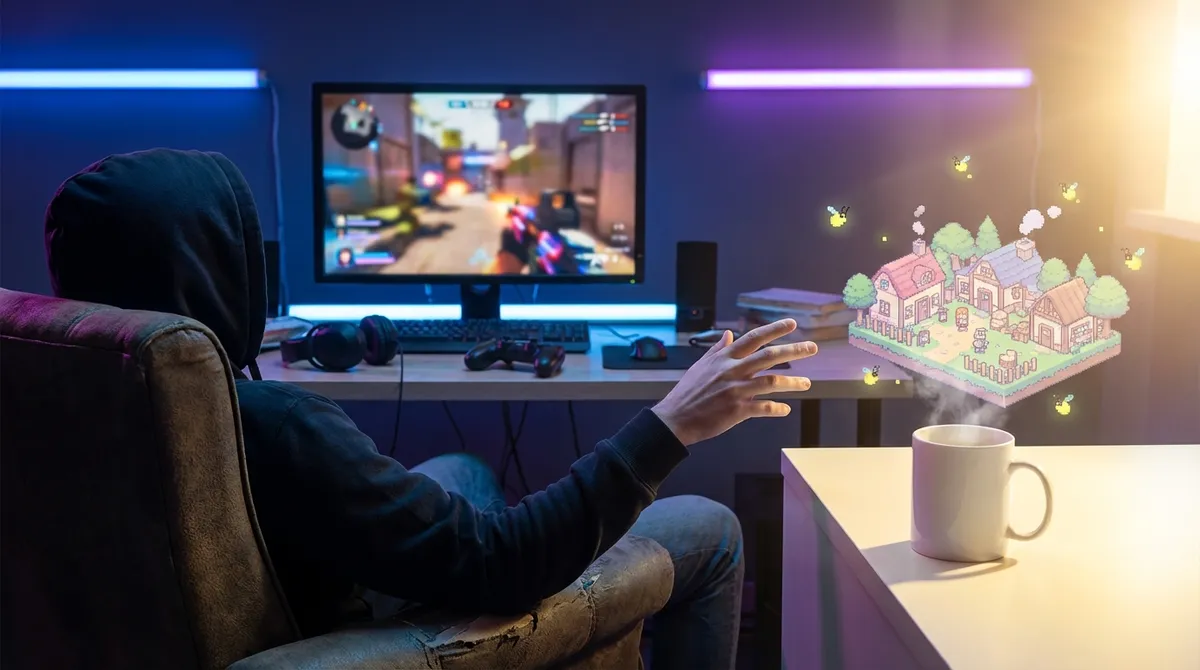
I used to think gaming meant clutch moments, perfect KD ratios, and trying not to scream at strangers in voice chat. Then I hit a wall. I’d log into ranked matches after work and feel my jaw literally tighten. That’s when I stumbled into the weirdly wholesome corner of the internet known as “cozy games” — and honestly, it kind of rewired how I think about playing.
This isn’t just about “cute farming sims” either. When I tested different cozy titles back-to-back for a month, I noticed something wild: my stress dropped, my sleep got better, and I actually looked forward to logging in again… instead of doom-queuing myself into emotional exhaustion.
Here’s what happened when I swapped sweaty lobbies for soft vibes — and how to tell if your brain is begging you to do the same.
The Moment I Realized My Games Were Stressing Me Out More Than My Job
The breaking point was a ranked Overwatch night from hell.
I remember queuing up “just for a few games” after a long day. Three hours later, I was hunched over my keyboard, shoulders up to my ears, checking my phone like I’d just survived a minor car crash. My hands were actually shaking — over pixel people and imaginary points.
I’d close the game and still hear callouts in my head. My sleep was trash. I’d wake up tired, then repeat the cycle. That’s when I caught myself thinking, “I don’t even like this anymore… so why am I still doing it?”
Around that time, I kept seeing people on TikTok and Reddit talking about “cozy gaming setups,” “cozy-core games,” and “I escaped burnout with Stardew Valley” posts. Honestly? I rolled my eyes at first. I’ve been gaming since LAN parties smelled like Mountain Dew and despair. I thought cozy games were just watered-down content for people who didn’t want a challenge.
Then I tried Stardew Valley.
Within an hour, I was naming my cows, planting parsnips, and getting weirdly invested in some pixel dude named Sebastian. No rage, no timers, no leaderboard. Just… quiet. Calm. A different kind of “hooked.”
That’s when I started paying attention to how different genres made my brain feel — not just how they stroked my competitive ego.
What Actually Makes a Game “Cozy” (It’s Not Just Pastel Colors)
When I started digging into this, I thought cozy games were just aesthetically soft: pastels, plants, lo-fi beats. But the more I played and the more dev talks and GDC sessions I watched, the more I realized there are actual design patterns that make a game feel cozy.
In my experience, most cozy games share a few core traits:
1. Low or No Punishment LoopsGames like Animal Crossing: New Horizons and Disney Dreamlight Valley don’t slap you with harsh failure. If you miss a day, nobody rage-kicks you from the island. The game waits for you. That lack of punishment is huge for stressed-out brains already overloaded with consequences in real life.
2. Gentle, Predictable ProgressionYou’re not chasing elo or MMR. You’re watching crops grow, building relationships, unlocking recipes — all at your own pace. Stardew Valley’s day-night cycle and seasonal rhythm gave my life this small, comforting structure when everything else felt chaotic.
3. Ambient Storytelling Instead of Aggressive PlotA lot of cozy titles drip-feed narrative through vibes, not long cutscenes. Spiritfarer, for example, tackles death and grief with quiet, emotional beats, not jump scares. Unpacking (one of the most unexpectedly emotional games I’ve played) tells an entire life story with zero dialogue — just items, rooms, and your own assumptions.
4. Non-Combat or Soft Combat SystemsNot all cozy games are combat-free, but the combat often isn’t the point. In Cozy Grove, you’re helping ghost bears and tidying a haunted island, not grinding for PvP superiority. The focus is tending, not dominating.
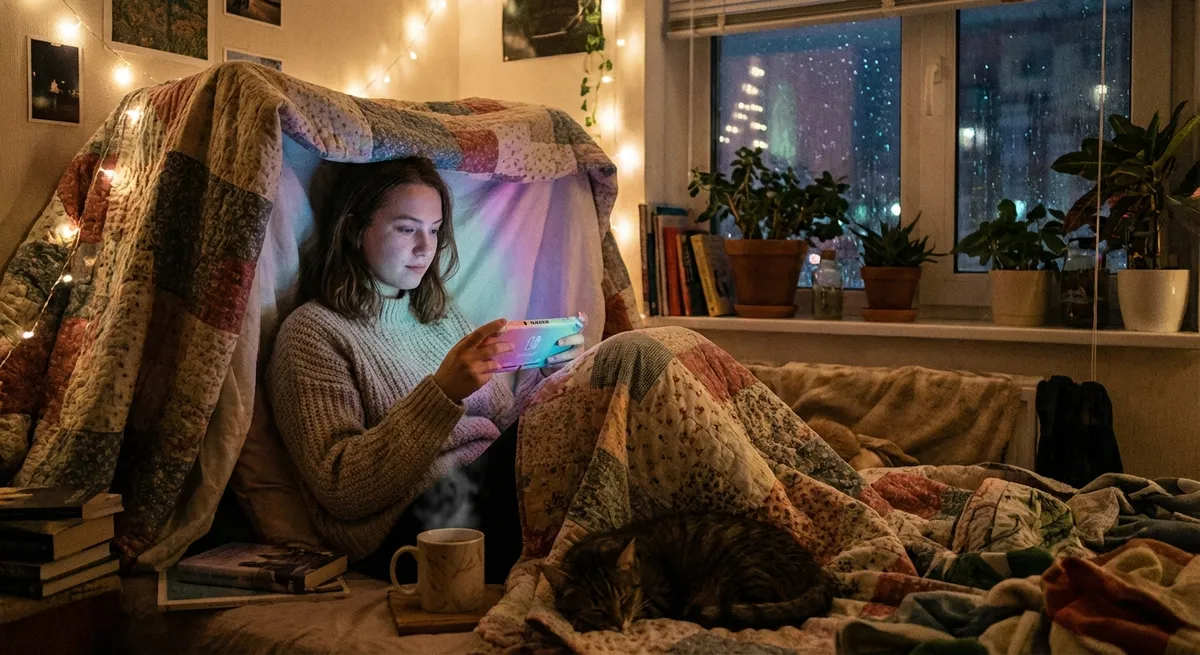
5. Sound and Visuals Built for CalmThis one smacked me hard. When I switched from FPS chaos to A Short Hike, the difference in audio was immediate. Soft ambient sounds, chunky pixel visuals, simple color palettes — they almost force your nervous system to chill. The Game Developers Conference (GDC) has multiple talks where devs break down how specific sound frequencies and visual clutter impact player stress. You really can “hear” a calm game.
Once I noticed these patterns, I understood why “cozy” isn’t just an aesthetic. It’s a design philosophy: low stakes, high comfort.
How Cozy Games Quietly Hacked My Stress Levels
I didn’t expect cozy games to affect me physically. That sounded like influencer-speak. But after a few weeks of playing them as my default, I started noticing changes that lined up creepily well with what mental health and media researchers have been saying for years.
Here’s what shifted when I swapped ranked queues for cozy titles at night:
My sleep quality noticeably improved.When I tracked my sleep with my smartwatch (nothing scientific, just consistent), nights where I ended with Hades or competitive shooters gave me higher heart rates and more restless periods. Nights where I wound down with Stardew Valley or Unpacking were smoother. This backs up research from the American Academy of Sleep Medicine, which has flagged intense late-night gaming as linked with reduced sleep quality and delayed sleep onset.
My “after-game guilt” almost disappeared.You know that feeling after a 4-hour session where you’re like, “I wasted my entire night”? With cozy games, I still spent time, but it felt like I’d done something nurturing — even if it was virtual. I’d decorated a little room, finished a questline about helping a ghost move on, or just made my island cuter. It sounds silly, but those small completions felt emotionally filling, not draining.
My brain stopped living in fight-or-flight mode.The American Psychological Association has pointed out that video games can be both stress-relieving and stress-inducing, depending on intensity and context. When I rotated in cozy titles, I wasn’t constantly in a state of “threat response.” Losing a match in a shooter felt less catastrophic when half my week was spent fishing with virtual villagers who just liked me for me… or, okay, for my gifts.
I talked to people about games again — in a positive way.With competitive games, conversations often turned into complaint circles: bad teammates, broken metas, cheaters. With cozy games, I caught myself saying things like, “My shop in Moonlighter looks so cute now,” or, “I finally helped that spirit in Spiritfarer let go.” The energy shifted from venting to sharing.
None of this means cozy games are therapy in a box. They’re not a replacement for actual mental health care. But in my experience, they did act like a gentler media diet that stopped feeding the constant adrenaline loop.
The Dark Side of Soft Vibes: Where Cozy Games Can Still Mess You Up
I wish I could say cozy games are pure, wholesome magic with zero downsides, but that wouldn’t be honest — or helpful. Once the genre exploded on platforms like Steam and Nintendo Switch, some less-great patterns started popping up.
Here’s where I’ve seen cozy gaming go sideways:
1. The “One More Day” Time SinkCozy loops can be deceptively sticky. Stardew Valley’s “just one more day” is lethal if you’re bad at self-imposed boundaries. I’ve definitely looked up to see it’s 2 a.m. and all I did was water pixel blueberries. There’s no rage, but there’s still time gone.
2. FOMO and Live-Service HooksSome cozy-adjacent games slide into live-service territory, with daily tasks, limited-time events, and premium cosmetics. Animal Crossing: New Horizons timed events made a lot of players feel like they had to log in constantly or miss unique items. That’s basically the same FOMO mechanic you see in battle passes — just in softer packaging.
3. Microtransactions in Sheep’s ClothingCute doesn’t equal harmless. A few mobile “wholesome” sims lean hard into gacha rolls, energy timers, or premium decorations. It’s easier to rationalize “just one more $4 purchase” when it’s a cottagecore wallpaper instead of a gun skin, but your bank account doesn’t know the difference.
4. Emotional Gut-Punches in Cozy WrappingSome cozy games get real — fast. Spiritfarer ripped my heart out repeatedly with stories about death, grief, and regret. Gris and Celeste (cozy-adjacent in aesthetics) deal with depression and anxiety. These can be incredibly healing, but I’ve also had nights where I went in wanting soft vibes and came out emotionally wrecked.
So no, cozy games aren’t automatically “safe mode” for your mental health. They can still fuel avoidance, overspending, or emotional overload if you’re already hanging by a thread. The difference is: the harm is sneakier, because it doesn’t come with screaming and hit markers.
How to Build a “Cozy Loadout” That Actually Helps You Recharge
When I realized not all cozy games hit the same, I started treating my library like a toolbox. Instead of “I’ll just play whatever,” I asked: What do I want my brain to feel like in two hours?
Here’s the system that’s worked well for me and a few friends I’ve recommended it to:
1. Pick One “Weighted Blanket” GameThis is your ultimate comfort pick — the game you can boot up on autopilot when you’re fried. For me, that’s Stardew Valley and Dorfromantik. No harsh surprises, no huge story decisions. Just familiar loops.
Criteria I use:
- Minimal cognitive load
- Soft audio and visuals
- No strict timers or fail states that matter
This is for when you’ve got the emotional bandwidth to actually feel something, but don’t want a 100-hour RPG. A Short Hike, Unpacking, and Spiritfarer live here. They’re bite-sized but meaningful.
I usually save these for weekends or days when my brain isn’t mush.
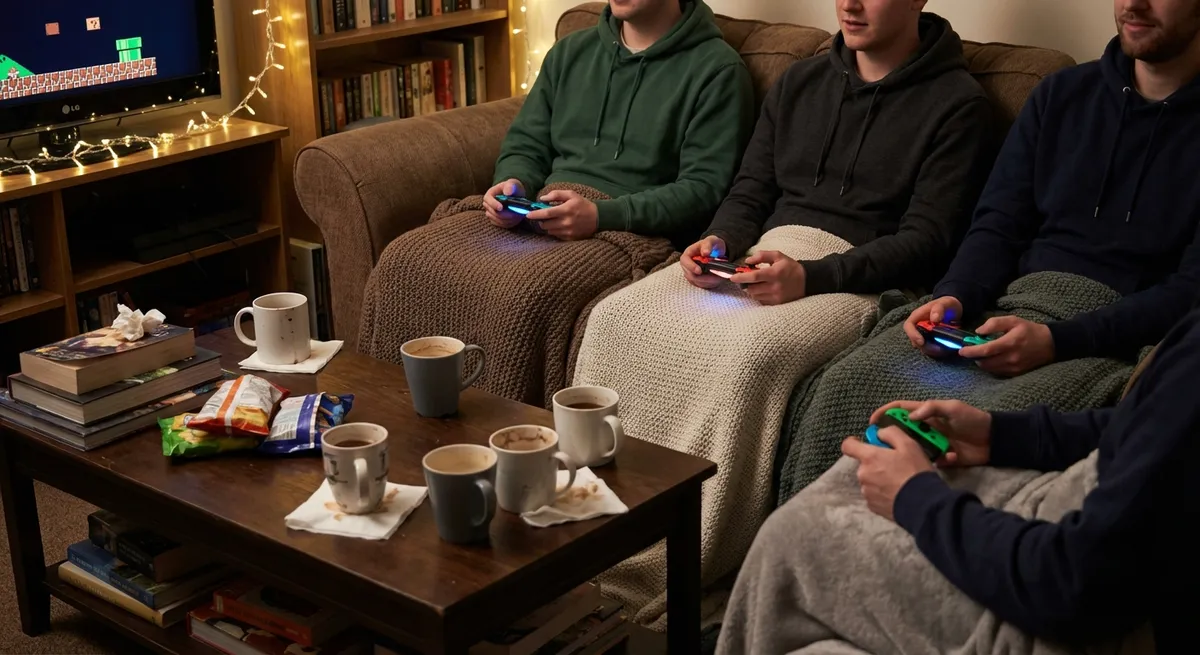
3. Keep One Gentle Social Game in RotationHumans are wired for connection, even introverted ones like me. Cozy co-op titles like Stardew Valley co-op, Dorfromantik with backseat builders, or Minecraft on peaceful mode can scratch the “hang out” itch without the voice chat warfare.
4. Set Soft Rules (Not Hard Bans)When I forced myself to stop all competitive games, I just craved them more. What worked better was: weekdays after 9 p.m. are “cozy-only.” Weekends? Anything goes. That way, cozy isn’t a punishment; it’s a default.
5. Watch Your Body, Not Just the ClockI pay attention to physical tells now: clenched jaw, shallow breath, aggressive alt-tabbing. If a game (cozy or not) makes my shoulders creep up to my ears, I either swap titles or stop completely. That body check-in has been more reliable than “just one more quest” logic.
This isn’t some rigid “self-care protocol.” It’s more like curating your own emotional playlist — except instead of songs, it’s games tuned to different versions of you.
Why I’m Not Ditching Competitive Games (And Why You Probably Don’t Need To Either)
Here’s the twist: I didn’t quit competitive games. I still love a sweaty match when I’m in the right headspace. There’s real research showing that games with challenge, mastery, and social connection can boost mood, self-esteem, and even cognitive skills. The key, in my experience, is balance and timing.
I think of cozy games as the “parasympathetic system” of my gaming life — they help me switch out of fight-or-flight. Competitive games are the high-intensity workouts. You probably don’t want only one or the other forever.
Now, when I log into a ranked match, it’s a choice, not a compulsion. And when it starts to feel like work, I know I’ve got a soft landing pad: an island full of villagers, a boat full of spirits, or a tiny mountain to hike at my own pace.
If your gaming life has started to feel like an unpaid part-time job, cozy games aren’t a trendy aesthetic — they’re a legit reset button. And honestly? The first night you swap “defeat” screens for watering pixel plants while lo-fi tunes play softly in the background, your nervous system will tell you everything you need to know.
Sources
- American Psychological Association – Video Game Play May Provide Learning, Health, Social Benefits - Overview of research on how different kinds of games affect cognition, mood, and social behavior
- American Academy of Sleep Medicine – Video Games and Sleep - Fact sheet discussing how late-night and high-intensity gaming can impact sleep quality and patterns
- GDC Vault – Designing for Comfort: How to Make Relaxing Games - Collection of free Game Developers Conference talks, including sessions on sound design, pacing, and mechanics that create low-stress, cozy experiences
- Nintendo – Animal Crossing: New Horizons Official Site - Official game page outlining mechanics and features that exemplify cozy, low-pressure design
- Washington Post – How ‘Cozy Games’ Became a Big Business - Explores the rise of cozy games as a genre and market, with industry perspectives on why players are gravitating toward them