The Side of Jury Duty Nobody Told Me About (And Why I’d Do It Again)
I used to treat jury duty like a glorified inconvenience—an annoying envelope in the mail that meant lost work days and bad coffee. Then I actually served on a jury. What I thought would be a slow-motion hostage situation turned into one of the most intense, eye-opening civics lessons of my life.
By day two, I realized something: this wasn’t just “doing my civic duty.” This was the one time regular people like me actually sit inside the justice system, not just rage-tweet about it from the outside. And weirdly? It changed how I see law, government, and my own role in both.
Let me walk you through what really happens, what surprised me, and why I walked out of that courthouse more pro-jury-duty than I ever expected.
The Day I Stopped Treating Jury Duty Like Spam Mail
When I got my summons, my first instinct was what everyone does: Google “how to get out of jury duty” like a raccoon digging in a trash can. I had work. I had deadlines. I had every excuse ready.
But when I actually showed up, the vibe was different than I expected. There was this weird mix of boredom and high stakes. One guy in my panel was a teacher, another worked nights at a hospital, one woman was clearly juggling child care on her phone every break. Everyone had a life they were leaving on pause.
During voir dire (the juror questioning phase), the lawyers started asking about our experiences with law enforcement, past lawsuits, even social media use. When I mentioned I’d followed a few high-profile trials obsessively online, the defense attorney asked, “Do you think that might affect how you interpret what you hear in this courtroom?”
I remember saying, “Honestly, yeah—because I’ve seen how heavily edited trial clips get framed online, and I don’t want to be that person who only hears half the story.”
That answer didn’t get me kicked off. It did the opposite: it forced me to treat the next few days like my opinions actually mattered more than my schedule.
And somewhere between that first awkward oath and the final verdict, I realized: jury duty is the closest thing Americans have to randomly selected power. You don’t campaign for it; you just get dropped into it with zero prep and a thin folder of instructions—and yet your decision can literally decide someone’s future.
Behind the Doors: What Deliberations Actually Feel Like
If you’ve only seen jury deliberations on TV dramas, you probably picture shouting, dramatic confessions, maybe someone slamming their fist on the table. My experience? A lot less glamorous, a lot more intense.
We had a criminal case, not a headline-making one—no celebrities, no cameras. But it was serious: real charges, real consequences. The judge drilled into us that the standard was “beyond a reasonable doubt.” Not “pretty sure,” not “probably,” not “they look like the type.”
During the trial, we weren’t allowed to Google anything. No looking up legal terms. No checking news reports. No scrolling Reddit to see what some anonymous “law student” thought. The only law we were allowed to use was what the judge read to us out loud and what was printed in those jury instructions.
When I tested my patience with that rule, I realized how much I rely on my phone to fill in knowledge gaps. In that room, you don’t get that shortcut. You just have the evidence, your notes, and your brain. It felt uncomfortably analog—and also very pure.
In deliberations, I watched this fascinating shift happen.
At first, everyone talks like normal people:
“I mean, it seems like he did it.”
“I don’t like how that cop talked to him.”
“Why would she lie about that?”
But slowly, people started using the language from the instructions:
“What exactly is the element of this charge again?”
“Does this piece of testimony really go to intent or just opportunity?”
“Is that doubt I’m feeling actually reasonable or just a gut reaction?”
One juror, a nurse, kept saying, “I have a feeling—but is that a legal reason or just my bias?” That line hit me hard.
We didn’t all agree at first. One guy leaned hard toward guilty from the start. Another woman was almost frozen on “not guilty” because she was worried about wrongful convictions she’d read about. I found myself somewhere in the middle, the annoying person constantly asking, “Okay, but what exactly did we hear under oath that supports that?”
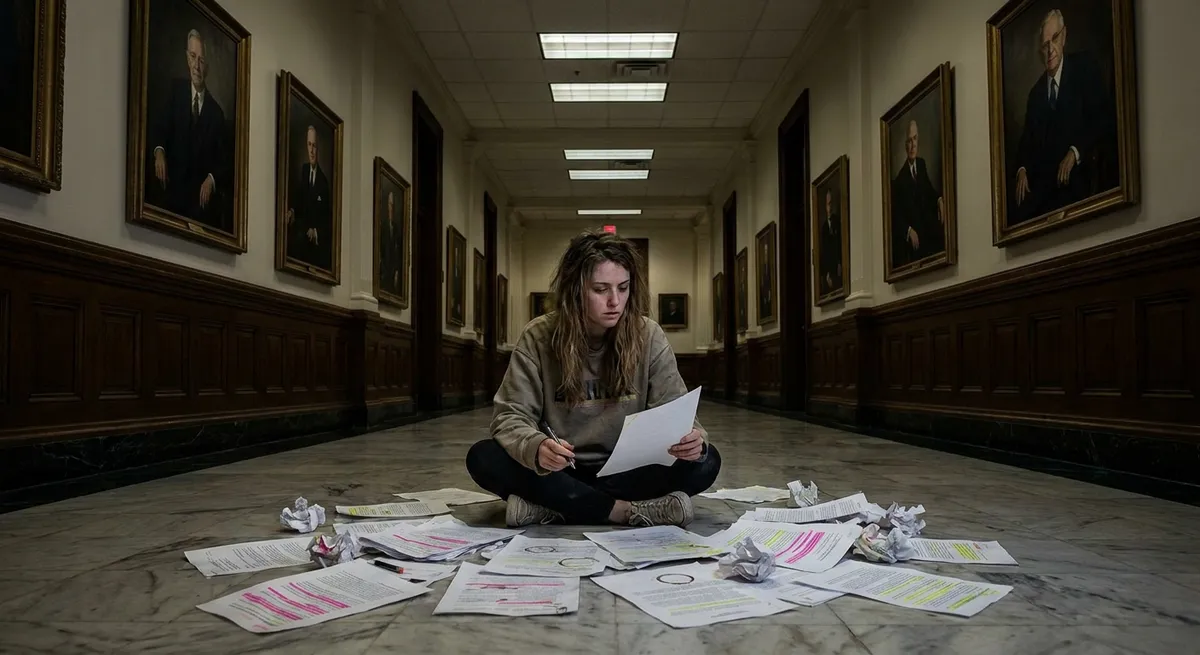
By the end, our verdict wasn’t perfect—no human process is—but it was deliberate. We’d argued, re-read instructions, revisited testimony, and checked each other when emotions tried to steamroll the standard of proof. It felt… heavier than anything I’ve ever posted online about “fixing the system.”
The Parts of Jury Duty That Honestly Suck (And the Parts That Don’t)
Let me be brutally honest: parts of jury duty are a slog.
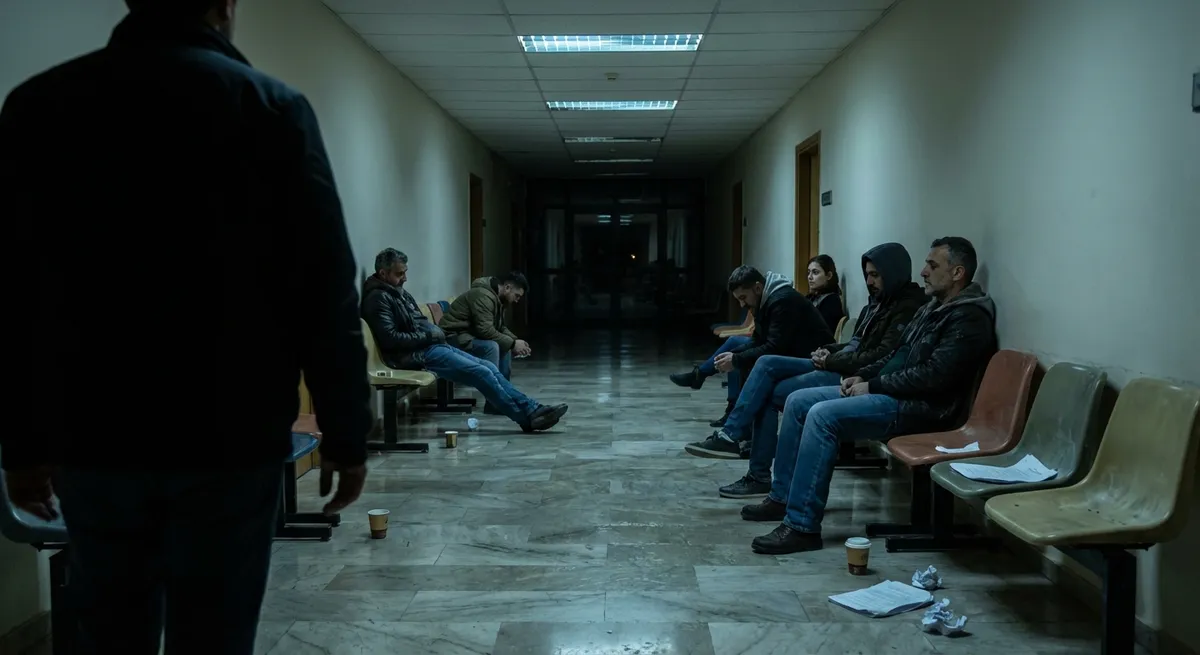
The waiting is long. The chairs are bad. The pay is laughable in many places. According to the U.S. Courts, federal jurors get $50 a day (sometimes a bit more in longer trials), and many states pay even less for state courts. If you’re hourly or self-employed, that’s not just annoying—it’s financially scary.
I watched one guy in our pool nervously refresh his banking app during breaks. He whispered to me, “If this goes more than a week, I’m in trouble.” That’s not how civic participation should feel.
There’s also the emotional load. Listening to testimony about violence, trauma, or just people at their worst takes a toll. We got a warning from the judge: “Some of what you’ll hear may be upsetting. If you need a break, tell us.” That’s not something you get from crime podcasts.
But there’s another side I didn’t expect:
- You actually see how procedural fairness works up close: the objections, the rules on what can and can’t be shown, the constant reminders of the burden of proof on the prosecution.
- You learn that what you think matters. The judge can’t tell you “this person is lying.” You have to decide credibility yourself. That’s terrifying and empowering.
- You start clocking your own biases in real time. I caught myself thinking, “He looks like trouble,” then immediately wanting to slap myself. That thought had no place in that room.
There are also laws trying—imperfectly—to protect jurors. Under federal law (like the Jury System Improvement Act) and many state laws, employers can’t legally fire you for serving. Some even have to let you use paid leave. But policies vary wildly, and not everyone actually knows their rights, which makes it easier for people to quietly panic instead of proudly serve.
So yeah, the process isn’t some flawless democratic masterpiece. But it’s one of the few times I’ve seen strangers actually fight to be fair to someone they’ll never see again.
Is the Jury System Broken—or Just Underestimated?
After my case ended, I did what every recovering law nerd does: I went home and fell down a research hole.
A few things jumped out:
- The Innocence Project and other groups have documented hundreds of wrongful convictions overturned by DNA and new evidence. Many of those cases involved juries that followed the rules but were given bad information—flawed forensics, unreliable eyewitnesses, or withheld evidence.
- Studies from places like the National Center for State Courts suggest that overall, juries actually do a solid job matching what a judge alone would’ve decided in the same case. So the problem isn’t just “dumb juries”; it’s often the inputs, not the people.
- There’s an ongoing debate about whether juries understand complex issues—like corporate fraud cases, technical patent disputes, or very scientific evidence. Some research suggests they’re better than we give them credit for, especially when judges explain things clearly. Other studies show they can get overwhelmed or distracted by emotional narratives.
In my experience, the people in that deliberation room weren’t clueless. They were cautious, moral, and sometimes painfully unsure. I’d trust most of them to house-sit, honestly—and that’s a more intimate trust than voting for a stranger with a nice campaign logo.
But there are cracks:
- If low-income people can’t afford to miss work, who actually ends up on juries?
- If people of color are excluded more often through peremptory challenges or biased policing that shapes who gets charged, how “representative” is this “jury of your peers”?
- If civic education is weak, are we asking people to wield power with instructions they barely understand?
I don’t think the solution is to scrap juries. I think it’s to treat jury duty as something worth investing in: better pay, clearer instructions, more education, and serious accountability for lawyers and police who poison the process with junk evidence or misconduct.
How Serving Changed the Way I Argue About Justice Online
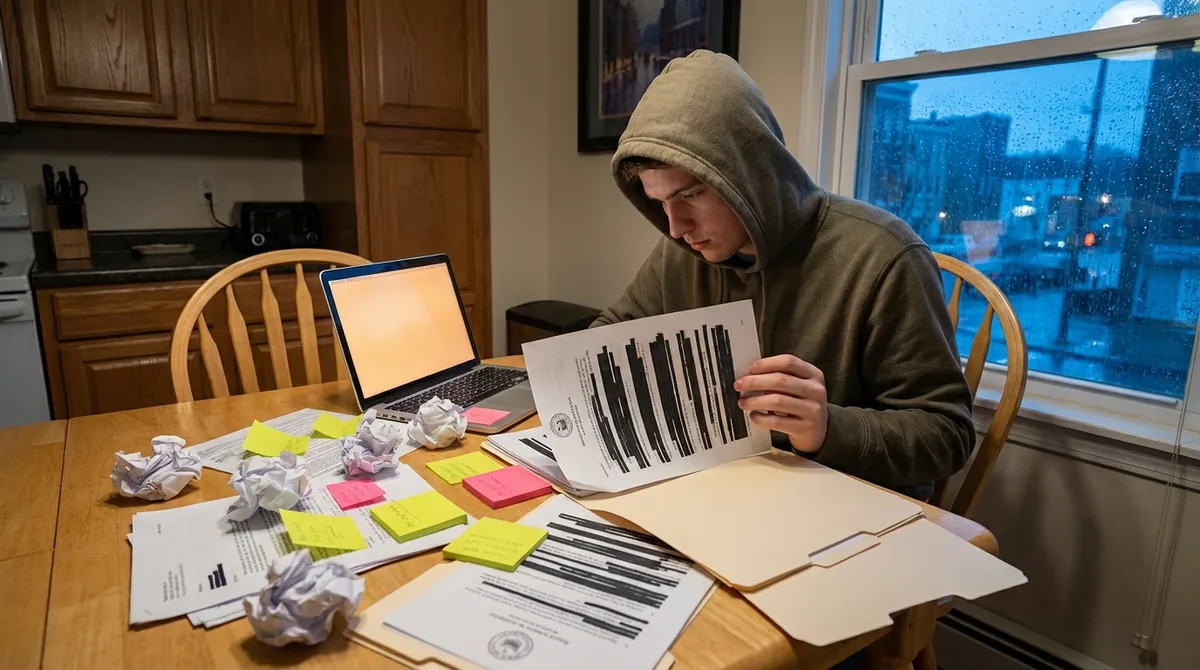
Before I served, my take on criminal justice lived mostly in my head and my feeds. I had Strong Opinions™ about policing, prisons, and “the system,” but they were mostly built out of news stories, documentaries, and threads.
After sitting in that juror chair, my opinions didn’t suddenly flip—but they got more three-dimensional.
Now when I see a viral clip of a courtroom moment, I catch myself thinking:
- “What evidence did the jury actually hear that isn’t in this clip?”
- “What legal definition of this crime were they forced to apply?”
- “Did the defense screw up? Did the prosecutor push too hard? What did the judge exclude?”
I also stopped treating “the jury” as some faceless villain when a verdict upsets me. A lot of times, the jurors are trapped inside a box made of laws, instructions, and limited evidence. They’re not free to just say, “I have a bad feeling about this cop,” or “This law is unjust.” Their job is to answer: “Did the prosecution prove this charge, under this law, to this standard?”
Would I change parts of the system? Absolutely. I think we need:
- Stronger rules to prevent racial bias in jury selection
- Mandatory, plain-language jury instructions written by actual humans
- Real financial support so serving isn’t a luxury
But I also walked away with weird pride. Average people, with no robes, no titles, no blue checks, sat in a room and tried like hell to get it right for a stranger. That’s messy democracy at its rawest.
So now, when that envelope shows up, I don’t see it as spam. I see it as the system basically saying, “Okay, your turn. You don’t just get to complain—you get to decide.”
And honestly? I’ll show up.
Conclusion
Serving on a jury didn’t turn me into a blind fan of the justice system. If anything, it made me more critical—but from the inside, not just from the comments section.
I saw how much hinges on ordinary people being willing to pause their lives, sit in uncomfortable chairs, and wrestle with doubt and responsibility. I saw how fragile “beyond a reasonable doubt” feels when real lives hang in the balance. And I saw how weirdly powerful it is to sign your name to a verdict knowing it will follow someone for years.
If you’ve been dodging jury duty, I get it. Life is busy, and the system is far from perfect. But if you ever get called and you can possibly afford to go, try this: show up, stay curious, and treat that seat like the rare moment of real power that it is.
You might walk out of that courthouse not just with a verdict, but with a very different idea of what justice—and your role in it—actually looks like.
Sources
- U.S. Courts – Jury Service Information - Official overview of how jury service works in federal courts, including pay, protections, and basic procedures.
- National Center for State Courts – Juror Pay and Benefits - Data and analysis on how different states compensate jurors and the impact on participation.
- Innocence Project – DNA Exonerations in the United States - Documents wrongful convictions, many involving jury trials, and explains common causes of error.
- Bureau of Justice Statistics – Felony Defendants in Large Urban Counties - Provides statistics on criminal case processing, including trial and conviction data, useful for understanding how often cases actually reach juries.
- Harvard Law Review – Batson v. Kentucky and Peremptory Challenges - In-depth discussion of racial bias in jury selection and the limitations of current legal protections.