
I Tried Reading a Bill Before It Became Law — Here’s What I Learned About Power
I always thought laws just… appeared. Some headline would say “Congress passes X” and that was that. But a few months ago, a local bill about short‑term rentals almost wrecked my friend’s side hustle before she even knew it existed. That’s when I realized: by the time we hear about “new laws,” the real decisions were made months earlier, in rooms most of us never look into.
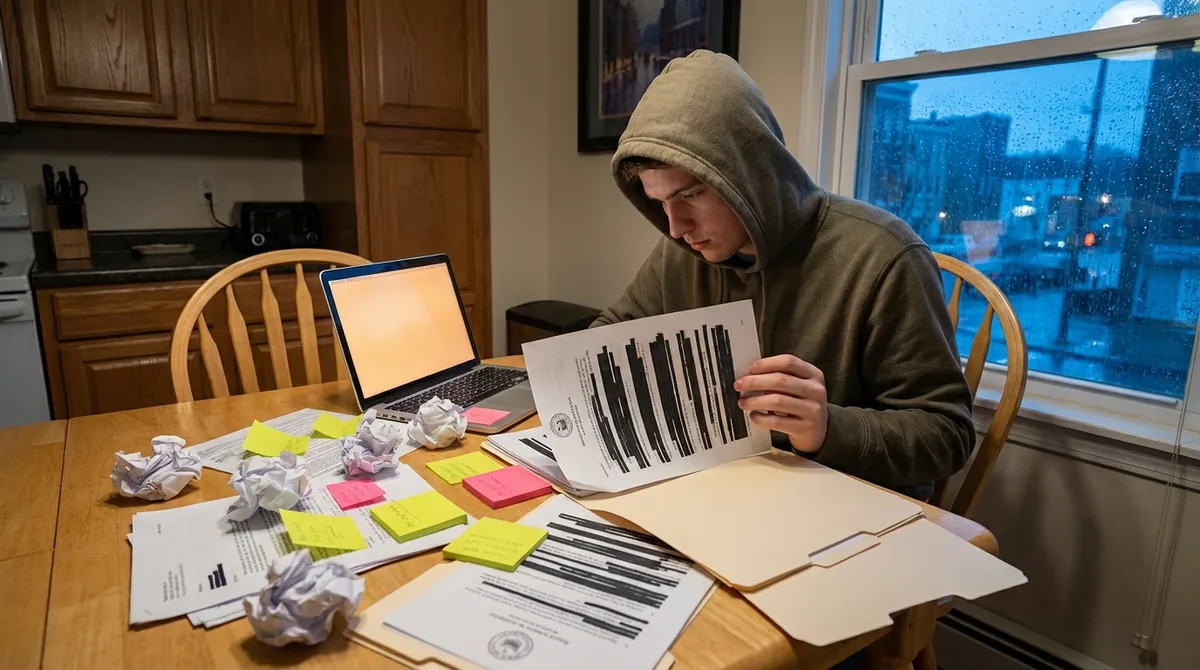
So I did the extremely nerdy thing and decided to track a bill from the moment it was introduced to the moment it either lived or died. No law degree, no insider badge, just a laptop, way too much coffee, and raw curiosity.
What I found made me way less cynical—and way more strategic about where power actually hides.
How I Fell Down the Legislative Rabbit Hole
The bill that hooked me wasn’t even “big news.” It was a state proposal to tighten ID requirements for voting by mail. My group chats were full of “this is voter suppression” vs. “this is just about election security,” but almost no one had actually read the bill text.
So I pulled it up on my state legislature’s website. First reaction: it read like a robot with a law degree had swallowed a thesaurus. But after I pushed through the legalese, I noticed a pattern: a huge chunk of the bill was amending existing law, not creating something brand new.
That meant:
- A lot of the impact was hiding in the “insert,” “strike,” and “renumber” language
- Unless you compared it to the current statute, you could completely miss what was changing
- The summary at the top was… generous, let’s say, in how it framed certain parts
When I tested this with friends, it got weird. I screenshotted one provision about mail-in ballots and stripped out the partisan framing. Then I asked, “Do you think this makes voting easier, harder, or about the same?” Almost everyone was surprised when they saw which party sponsored it. That’s when I realized: most of us are debating vibes, not text.
Walking through that one bill, I started to see the lawmaking process less like a big dramatic vote, and more like a series of tiny, nerdy edits where power quietly shifts word by word.
The Real Action Happens Before The Vote
Watching the bill move through the legislature felt like binge‑watching a slow political drama with bad UX. On the public website, the steps looked so simple: introduced → committee → floor vote → other chamber → governor. But when I actually followed it, I saw an entire shadow layer underneath.
Committee hearings were where everything got real. I tuned into a livestream (yes, most states now stream these), expecting dry testimony from experts. What I got instead:
- Lobbyists referencing “stakeholder conversations” that never showed up in any public record
- Citizens giving two‑minute emotional testimonies that clearly moved some legislators and bounced right off others
- Legislators asking oddly specific questions that made way more sense once I googled their biggest donors
One moment that stuck with me: a county elections official calmly explained that one ID requirement would disproportionately reject ballots from elderly voters in nursing homes. The expert data was solid. A few legislators visibly winced. Then a party leader leaned into the mic and basically said, “We appreciate the input; we’ll keep working on this.” Translation: the bill wasn’t changing on that point.
That’s when it hit me: by the time a bill reaches the committee hearing, some parts are basically carved in stone—because the real friction already happened in private meetings weeks earlier. The hearing is often more like theater than surgery.
But—and this is the part I didn’t expect—public pressure did matter at the edges. Midway through the process, a small but loud coalition of disability rights advocates got a particularly harsh verification rule softened. It didn’t get scrapped, but the language became a little more flexible. That micro‑change wouldn’t make a headline, but it would absolutely affect real voters.
So yes, the big vote matters. But the tiny rewrites, side deals, and quiet edits matter more—and they happen way before most people are paying attention.
How to Decode a Bill Without a Law Degree (What Actually Worked for Me)
When I first opened that bill PDF, I stared at it like it was an IKEA manual in ancient Greek. After some trial and error, here’s what actually helped me crack it without going to law school.
1. Start with the fiscal note, not the headline.I’d always ignored those dry “fiscal impact” documents until a former legislative staffer told me, “If you want to see who’s sweating, follow the money.” The fiscal note spelled out:
- How much the bill would cost to implement
- Who would pay (state, counties, agencies, taxpayers)
- Which programs might lose funding to make room for this one
In my bill, the fiscal note warned about increased administrative workload for already stretched local election offices. That single paragraph told me more about real‑world impact than the entire press release from either party.
2. Read the “strike and insert” like a before-and-after photo.Most bills amend existing sections of law. I pulled up the current statute in one tab and the bill in another. Then I went line by line, treating it like a spot-the-difference game.
When I tested this with one especially confusing voting provision, I noticed that they weren’t banning mail voting (like some people in my feed were claiming), but they were narrowing which IDs counted and adding extra verification steps. It wasn’t a sledgehammer; it was death by a thousand paper cuts.
3. Track who’s behind it—and not just the sponsors.This part felt like detective work. I:
- Checked the official sponsor list
- Searched the bill number plus “testimony” to see which organizations showed up at hearings
- Ran a quick search on OpenSecrets and similar sites to see major donors for key legislators pushing it
When the same industry trade group’s name popped up over and over, I stopped wondering if this was about “principle” and started seeing it as a highly targeted business move with a democracy-flavored label.
4. Watch the amendments—this is where the sneaky stuff lives.The original bill was one thing. The amendments were another beast entirely. Some were technical; others were sharks dressed as goldfish. One late amendment subtly changed the cure period for fixing mail ballot errors—shrinking a key window without ever using scare‑words.
The lesson I walked away with: if you only read the “as introduced” version, you’re basically reading the first draft of a very political Google Doc.
Where “Ordinary People” Actually Have Leverage (And Where We Don’t)
I used to assume my voice in lawmaking was basically yelling into the void with better punctuation. After following this bill, my view is more… calibrated.
Here’s where I saw real leverage:
- Hyper‑local issues. On small, niche provisions, staffers actually paid attention to detailed constituent emails, especially ones with clear subject lines like “County elections staffer concerned about section 12(b).” The more specific, the more respect.
- Coalition pressure. When several unrelated groups (disability advocates, veterans’ groups, and election workers) all flagged the same section, it clearly made legislators nervous, even if they didn’t fully cave.
- Media plus data. A local journalist highlighted one confusing ID rule using real voter examples and linked to the exact line of the bill. That story got shared enough that the bill sponsor had to answer detailed questions about it on the record. The language later got tweaked—very slightly, but still.
And where leverage shrank dramatically:
- Highly polarized flashpoints. On the core “election security vs. access” clash, party lines were basically cement. No amount of testimony or data seemed to move certain votes. They were playing to their base, not the evidence.
- Late-stage theatrics. By the time the bill hit the full floor for debate, there were passionate speeches, but the vote tally was almost perfectly predictable based on party. It felt like everyone already knew how it would end; the speeches were for clips, not persuasion.
In my experience, the sweet spot for impact was early: when draft language was still fluid and before talking points hardened. After that, most of the “participation” opportunities were technically open but practically symbolic.
How This Changed the Way I Read Political News (And What I Do Differently Now)
After that experiment, scrolling political news felt like watching a highlight reel of a game I hadn’t seen. Votes, vetoes, court decisions—great, but where was the part where the rules got written?
Now, I do a few things way differently:
- I read the bill number, not just the hashtag.
When a topic blows up on my feed—policing, voting, tech regulation, whatever—I try to find the bill number behind the drama. Every serious campaign already knows it; regular people usually don’t. Once I have the number, I can follow the actual text over time instead of just vibes.
- I subscribe to committee agendas like they’re Netflix drops.
It sounds boring, but getting email notices for key committees means I see which bills are getting a hearing and when. Sometimes the most consequential stuff never makes the front page but quietly reshapes rules in ways that last for years.
- I pressure my representatives earlier—and more specifically.
I stopped sending “please support democracy” emails and started sending stuff like, “I’m your constituent in [district]. Please oppose Section 7(c) of HB XXXX unless the cure period is extended to at least 10 days, consistent with [state X’s] standard.” It feels a bit extra, but staffers have told me that level of specificity gets logged differently.
- I treat laws like code that’s always being patched.
Watching a single bill made me realize the law isn’t some sacred stone tablet. It’s more like a huge, buggy software project constantly being patched, forked, and sometimes rolled back. Elections, policing, healthcare, housing—none of these rules are truly static. They’re more like version 12.3.5, with patch notes hiding in PDFs.
Is this system perfect? Not even close. Some of it is wildly unfair. Money and access still tilt the table hard. But it’s also less hopeless than I used to think. There are doors cracked open all over the process; most of us just never push on them.
Conclusion
Tracking one bill from birth to (almost) law didn’t turn me into a policy wizard, but it permanently changed how I see power.
It’s not just in big speeches, or even in the final vote. It’s in the definitions section on page 18. It’s in the amendment no one tweets about. It’s in the fiscal note that quietly warns, “We don’t actually have the staff for this.” It’s in the two‑minute testimony that doesn’t “win the day” but nudges a line of text just enough that a few thousand people aren’t shut out later.
Since doing this, I’m less impressed by outrage and more impressed by anyone who can say, “Here’s the bill number, here’s the line that matters, and here’s who can still change it.” That’s the kind of political literacy I wish we taught in school.
If you’ve ever felt like law and government are this distant thing happening above your head, pick a single bill—local or national—and follow it all the way through. Not just the headlines. The documents. The hearings. The amendments. You might not love everything you see, but you’ll never look at the word “law” the same way again.
And honestly? That’s where power starts to move—when we stop treating laws like weather and start treating them like something we can rewrite.
Sources
- Congress.gov – How a Bill Becomes a Law - Official overview of the U.S. federal legislative process from the Library of Congress
- National Conference of State Legislatures – State Bill Tracking and Information Services - Directory of state legislative websites where you can read bill texts, fiscal notes, and committee schedules
- OpenSecrets – Money in Politics Data - Tracks campaign contributions and lobbying data that can reveal who’s backing specific legislation
- Brennan Center for Justice – Voting Laws Roundup - Nonpartisan analysis of voting legislation trends across states, including ID and mail‑in voting rules
- Pew Research Center – Americans’ Views of Government - Data on public trust in government and attitudes that shape how people engage with the lawmaking process