I Tried “Analog Sundays” and It Completely Changed How I Relax
I thought I was just “bad at relaxing.” My brain treated downtime like a to‑do list: catch up on Netflix, scroll Instagram, answer texts, maybe doomscroll some news for dessert. Then I stumbled into something that accidentally rewired my weekends: what I now call Analog Sundays—one day (or even a half-day) where I unplug and do only offline hobbies.
I didn’t invent the idea, but when I tested it for a month, the effect on my stress, creativity, and even sleep was so dramatic that friends started asking what the heck I was doing differently. So here’s exactly how I built an unplugged hobby day that actually sticks—without becoming that self-righteous “no phone ever” person.
Why I Swapped Screen Time for “Analog Time”
The moment that broke me: I realized I was watching YouTube about people who have hobbies… instead of having any hobbies myself.
I’d finish work, feel drained, and then “rest” by staring at another screen. My eyes felt cooked, my brain was buzzing, and somehow I still felt like I’d wasted my evening. When I tracked it for a week, my screen time averaged over 7 hours a day. That’s almost a full-time job worth of scrolling layered on top of my actual job.
When I dug into the research, the pattern made sense. Studies have linked excessive recreational screen time with higher stress, worse sleep, and lower life satisfaction—especially when that time replaces active or social hobbies. The American Academy of Sleep Medicine, for example, notes that blue light exposure in the hours before bed can suppress melatonin and delay sleep onset. I didn’t need a lab to confirm it; I could feel it in my 1 a.m. “why am I still awake?” nights.
So I decided to try a very simple (and honestly slightly scary) experiment: one day a week with no optional screens and only offline activities I genuinely enjoy or want to explore.
I expected boredom. What I got instead was this weird mix of calm, creativity, and “oh, this is what my brain feels like when it’s not fried.”
How I Built an Analog Sunday That Didn't Feel Like Punishment
The first attempt was rough. I woke up, picked up my phone purely out of habit, and before I realized it, I’d already checked three apps. So I treated the next Sunday like a project instead of a vague intention.
Here’s what actually made it work.
1. I wrote a “menu” of offline hobbies
Instead of just saying “less phone,” I made a list of attractive alternatives. Mine looked like this at the start:
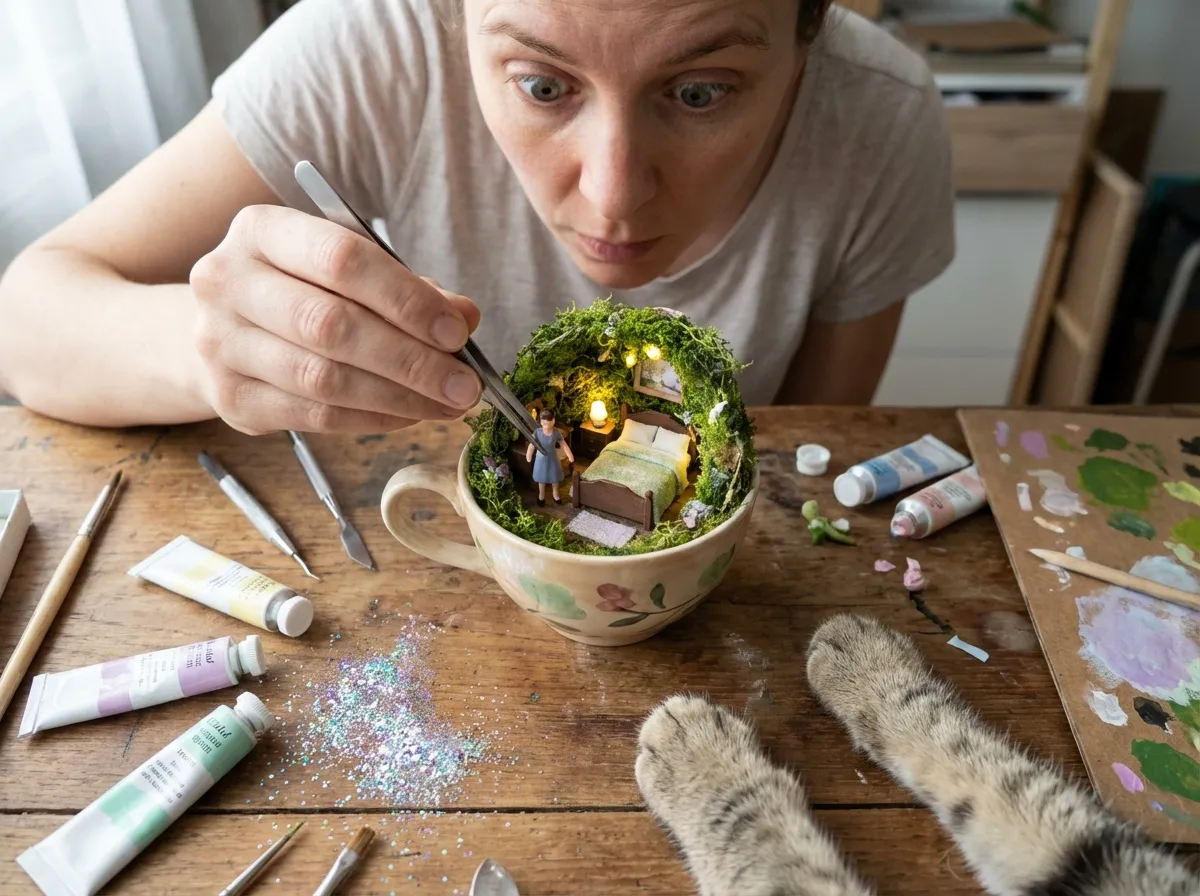
- Watercolor painting (I was terrible at it, still wanted to try)
- Jigsaw puzzles
- Baking overly complicated cookies
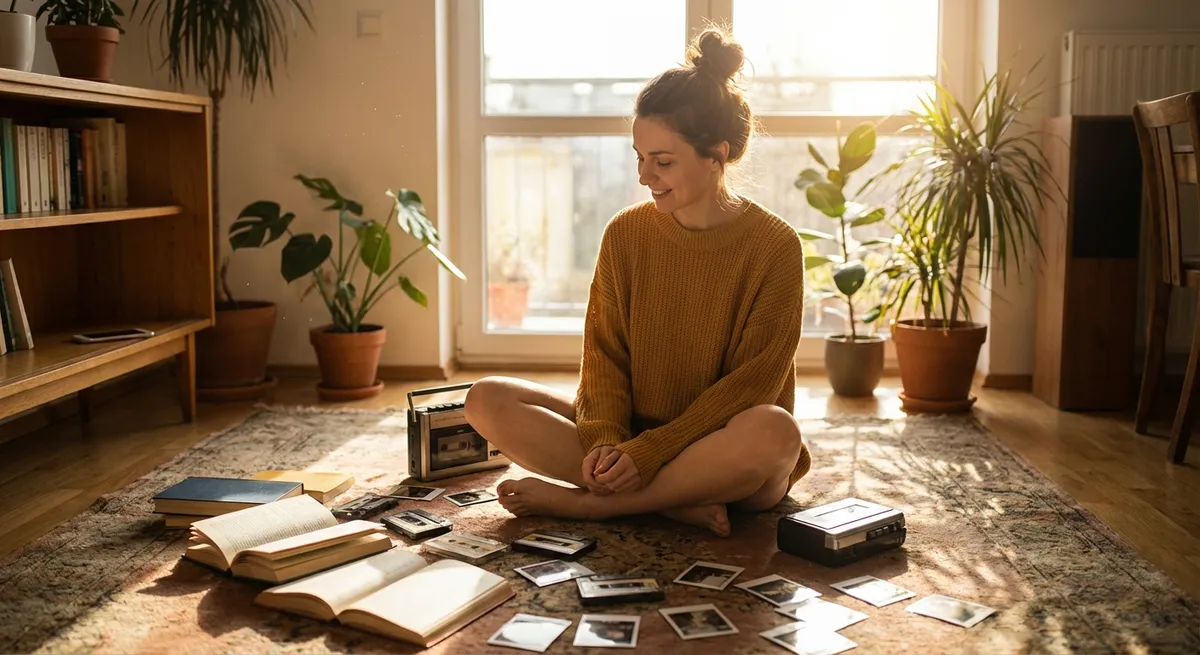
- Reading that stack of books I’d been “saving for vacation”
- Learning chord progressions on my dusty guitar
- Simple origami (YouTube tutorial on Saturday, practice on Sunday)
- Handwriting letters or postcards to friends
I noticed that when I had a menu, I didn’t stare at the wall wondering what to do. I could just pick something, like ordering off a fun, no-pressure hobby menu.
2. I created a simple “no-screen bubble” rule
I didn’t go full digital monk. I set clear, realistic boundaries:
- Phone stays in another room unless I need it for an emergency or a quick call.
- No social media, streaming, or gaming.
- E‑reader is allowed if it’s just for books (no browser).
- Music via a speaker is totally fine, but I build my playlists beforehand.
It wasn’t about being perfect; it was about breaking the reflex of “reach for screen whenever bored or anxious.”
3. I front-loaded the logistics
Little things derailed me before I learned to plan:
- I print or write down recipes, knitting patterns, or instructions on Saturday.
- I gather supplies (paint, puzzle, ingredients) in one spot so Sunday feels like walking into a prepared cozy zone.
- I tell friends: “Sunday is my slow offline day; I’ll reply later,” so I’m not anxious about missed messages.
That single step—telling people ahead—killed a lot of FOMO.
4. I gave myself permission to be bad at the hobbies
When I started watercolor painting, my first pieces looked like a crime scene involving a rainbow. But something shifted when I reminded myself: these aren’t “skills I must master”; they’re play, not performance.
In my experience, this mental reframe was huge. No posting, no comparing, no tracking “progress.” Just messy, private fun.
The Unexpected Benefits (Beyond “Feeling Calmer”)
I expected less stress. I did not expect some of the side effects that showed up after three or four Analog Sundays in a row.
My attention span grew back… a little
By the third week, I noticed I could read 30–40 pages of a book without my brain screaming for a dopamine hit. That hadn’t happened in years.
There’s research backing this up: activities like reading physical books, practicing instruments, or crafting can improve sustained attention and working memory, partly because they’re lower-distraction and require focused engagement. I’m not claiming I rewired my brain in a month, but I could absolutely feel my mental stamina returning.
My sleep quality quietly improved
On Sunday nights, after a day of analog hobbies and zero doomscrolling, I fell asleep faster and woke up less groggy. According to the CDC and sleep researchers, cutting back on evening screen time and doing relaxing, offline activities (like reading or knitting) can help align your sleep-wake cycle and reduce insomnia symptoms.
From my end, I just noticed fewer “why did I stay up so late” regrets on Monday mornings.
My creativity spilled into the rest of the week
When I paint or play guitar on Sunday, random ideas start popping up Monday to Wednesday: article ideas, work solutions, even random recipes I want to try. It’s like my brain gets a weekly reset from “consumption mode” to “creation mode.”
I’ve seen similar patterns discussed in psychology studies on mind-wandering and creativity—when you’re doing lightly engaging, offline tasks, your brain’s default mode network kicks in and quietly connects ideas in the background. My personal proof: I had more “shower thoughts,” but at the kitchen table with a paintbrush.
My social life got strangely richer
Analog Sundays made me way more intentional about connection. I started:
- Inviting a friend over to join puzzle time or baking.
- Writing actual handwritten letters (one friend kept hers on the fridge, which honestly made my week).
- Calling a family member while I sat outside sketching.
I’m not anti-social media at all, but I realized I’d been trading thin connection (likes, quick DMs) for thick connection (actual time, shared activity, or personal messages). Analog hobbies became the excuse to deepen the latter.
The Downsides No One Really Talks About
To be honest, Analog Sundays weren’t just soft lighting and aesthetic vibes. There were some real frictions.
Boredom hit harder than I expected
The first two Sundays, I kept hitting walls of boredom that felt almost physical. My usual escape (scrolling) was off-limits, and I had to sit there and ride it out.
Over a few weeks, though, I learned:
- That boredom phase is usually short—often 10–20 minutes.
- On the other side of it, my brain settled into whatever I was doing like, “Fine, this is actually nice.”
Still, you have to be ready for that discomfort. It feels a bit like digital caffeine withdrawal.
I felt guilty for “doing nothing productive”
Even fun hobbies triggered this voice in my head: You should be learning something monetizable. You should be optimizing this. You should be… blah blah blah.
Reframing hobbies as restorative, not productive took practice. I literally wrote on a sticky note: “This is allowed to be useless and joyful.”
Social pressure is real
If your friends are used to instant replies or Sunday plans that revolve around streaming or gaming, you might get some side-eye at first. I just stayed honest: “I’m trying this offline day thing for my sanity. I’ll be back on tonight or tomorrow.”
Most people respected it. A few were curious and tried their own version. One friend even started “Analog Afternoons” with her kids, and now it’s a whole family thing with board games and baking.
Easy Analog Hobbies I Actually Stuck With
I tested a bunch of hobbies. Some flopped (crochet and I are not on speaking terms right now). Others quietly turned into weekly staples.
Here are the ones that felt accessible, low-pressure, and surprisingly addictive:
Jigsaw puzzles
I used to think puzzles were for retired people and rainy cabins. Now I’m that person who recommends them to everyone. They’re perfect for Analog Sundays because:
- They’re visually satisfying without being overstimulating.
- You can do them alone or while chatting with someone.
- They create this meditative “just one more piece” flow.
Pro tip from my own trial and error: start with 500–750 pieces and artwork you love. The design matters more than you’d think; you’re staring at it for hours.
Low-stakes art: watercolor, colored pencils, or sketching
Drawing can feel intimidating, so I deliberately aimed for ugly art. I let myself:
- Trace basic shapes if I wanted.
- Copy botanical drawings from books.
- Paint random color blobs and see what happened.
The goal wasn’t “become an artist”; it was “give my hands something soothing to do while my mind unwinds.”
Reading physical books
This one sounds obvious until you realize how long it’s been since you read without checking your phone every 5 minutes.
What helped me:
- A “Sunday-only” book I only read on Analog Sundays so it felt special.
- A comfy reading corner with absurdly soft blankets.
- Choosing plot-forward fiction or narrative nonfiction, not something that felt like homework.
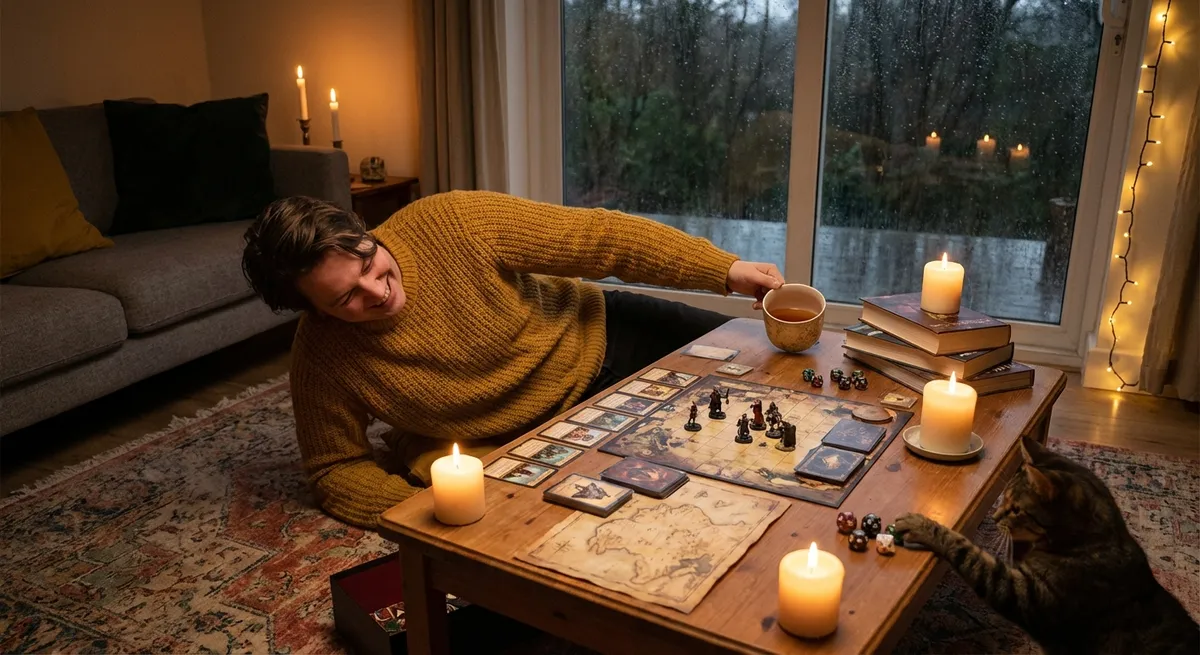
Analog games: cards, board games, solo puzzles
When I had friends over, we rotated through:
- Easy-to-learn card games
- Cooperative board games so it’s “us vs. the game,” not cutthroat competition
- Crossword or logic puzzle books we’d solve together
It brought back this nostalgic, almost childhood vibe—hanging out to do something, not just co-watch a screen.
Baking or cooking experiments
Instead of “meal prep,” I leaned into unnecessary, fun kitchen projects:
- Fancy cookies I’d never make on a weekday
- Homemade granola with aggressive amounts of cinnamon
- Trying a recipe from a different cuisine each week
The sensory part—smell, taste, texture—makes it incredibly grounding. Plus, there’s a tangible reward at the end, which kept me motivated to keep the Analog Sundays going.
How to Start Your Own Version (Even If a Full Day Feels Impossible)
You don’t have to go all-in right away. When I mentioned Analog Sundays online, a lot of people said, “There’s no way I can unplug for a full day.” Fair. So here’s what I’ve seen work in real life:
- Start with a 3-hour block on a weekend: phone in another room, offline hobbies only.
- Anchor it to something you already do, like “after Sunday brunch until dinner.”
- Pick two activities ahead of time. Too many options can weirdly trigger decision paralysis.
- Expect it to feel awkward the first time. That doesn’t mean it’s failing—it means your brain is adjusting.
If you track anything, don’t obsess over time. Instead, note how you feel before and after: stressed, neutral, calm, inspired, sleepy, whatever. That’s how I realized the payoff was big enough to keep experimenting.
Over a few months, my Analog Sunday turned from a “self-care challenge” into something I guard pretty fiercely. People ask, “Busy this weekend?” and I’ll genuinely say, “Yeah, I’ve got plans,” knowing full well those plans are me, a mug of tea, a half-finished puzzle, and a silly watercolor set.
And honestly? That might be the best hobby I’ve ever picked up: learning how to enjoy my own offline company again.
Sources
- American Academy of Sleep Medicine – Blue Light Has a Dark Side – Explains how evening screen use and blue light exposure can disrupt melatonin and sleep patterns
- Centers for Disease Control and Prevention – Tips for Better Sleep – Practical, research-based guidance on habits (including screen use) that affect sleep quality
- Harvard Health Publishing – Too Much Screen Time? – Overview of how high screen time impacts mood, attention, and overall well-being
- American Psychological Association – Why We Need Leisure – Discusses the psychological benefits of hobbies, leisure, and non-work activities for mental health
- Mayo Clinic – Stress Management: Doing Hobbies Can Help – Details how engaging in enjoyable hobbies can reduce stress and improve quality of life