The “Ugly Listing” Strategy That Quietly Saved My Real Estate Budget
I used to scroll past ugly listings like they were spam. Dark photos? Next. Weird green carpet from 1974? Hard pass. Then one weekend, my agent sent me a truly tragic listing — blurry photos, zero staging, and a backyard that looked like it was in witness protection.
That “nah, never” house became the best deal I’ve ever made.
I accidentally stumbled into what a lot of investors quietly do on purpose: they hunt for ugly listings, not pretty ones. Once I tested this on purpose, the way I looked at real estate completely flipped — and my budget stopped crying.
Let me walk you through what I’ve learned actually hunting these “ugly duckling” deals and why the worst listing photos in your city might be your secret weapon.
How I Realized The Worst Photos Hid The Best Deals
The house that changed my brain was listed for less than anything else in the neighborhood… by a lot. Same bed/bath count, similar square footage, same school district — but priced almost 12% below recent comps.
On paper, it made zero sense. Then I opened the listing.
Every photo was crooked. The kitchen shot was basically a close-up of a microwave. The living room picture was taken at night with one tiny lamp. No exterior shot from the street, no backyard overview, no floor plan. It looked more like a crime scene than a home.
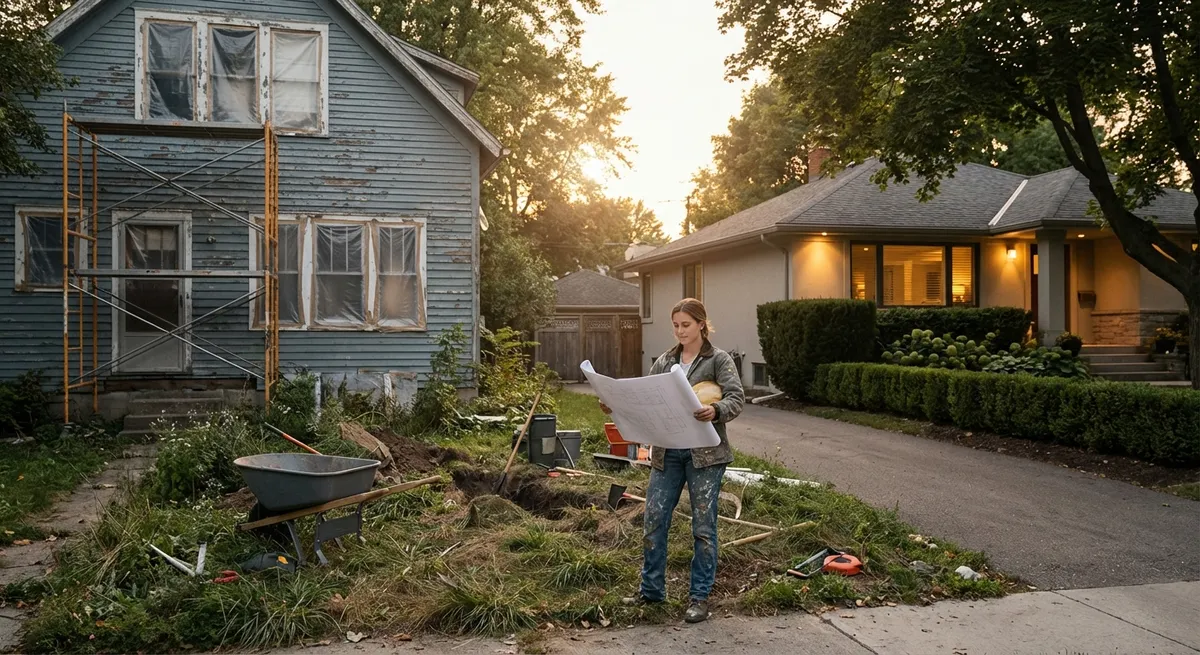
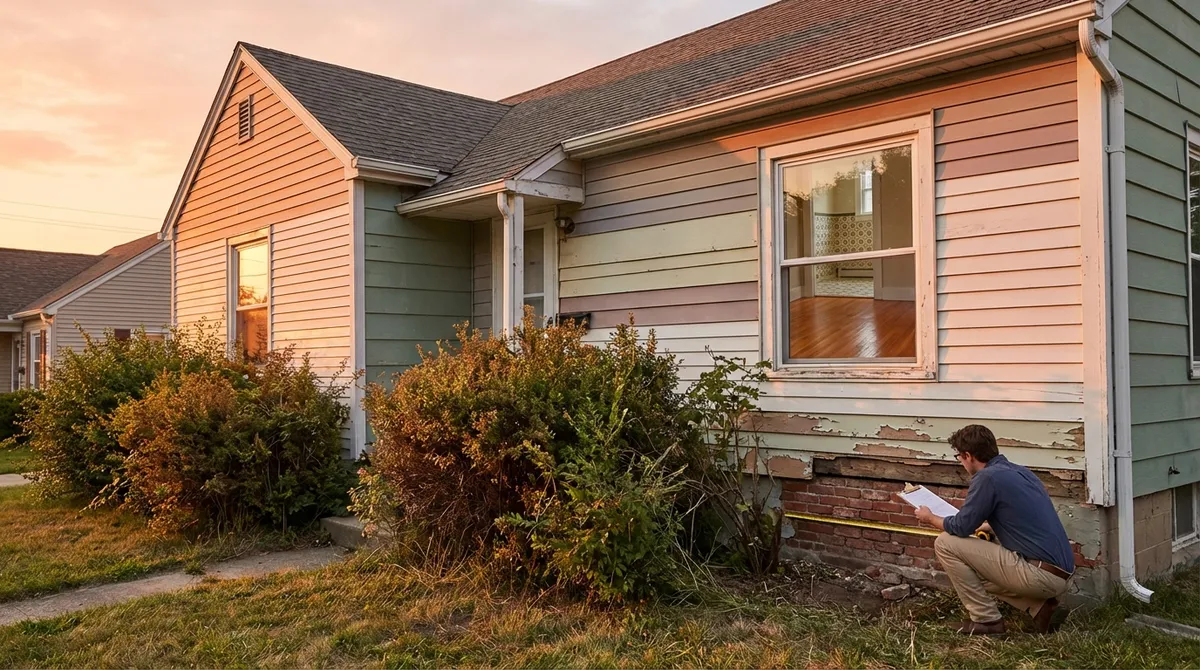
When we pulled up in person, I was actually mad. Because it was… good. Not perfect. Dated, sure. But the bones were solid:
- Newer roof, confirmed in the seller’s disclosures
- Original hardwood under the awful carpet (we peeked under a vent)
- No obvious foundation cracks
- Windows all opened and closed smoothly
- Layout made sense — no weird “walk through one bedroom to get to another” chaos
The agent admitted, “We just didn’t have time to get better photos.” That line should be printed on a banner and handed to every bargain hunter.
I offered slightly under list, we negotiated a bit on inspection repairs, and I closed under what others had paid nearby six months earlier — in a rising market.
That was the moment I stopped looking only for “dream home” listings… and started looking for “this might secretly be a deal” listings.
Why Ugly Listings Exist (And Why They’re Gold If You’re Patient)
Once I started paying attention, I noticed a pattern. The homes that sat on the market longest often weren’t the worst houses. They were the worst presented houses.
I kept seeing the same issues:
- Agents using old phone pics instead of professional photography
- Zero staging — just bare rooms or piles of clutter
- Listings with almost no description, or worse, copy-paste text that said nothing
- Bad timing: properties listed right before holidays or storms, so they got buried
Meanwhile, polished listings with drone shots and perfect lighting created bidding wars.
There’s real data behind this. The National Association of Realtors has repeatedly found that nearly all buyers (95%+ in recent years) search online, and high-quality photos significantly influence who even books a showing. Homes with professional photography tend to sell faster and for more money than those without it, according to multiple industry analyses and brokerage data.
So when a seller doesn’t invest in decent photos or marketing, the property can sit. Agents call this “stale.” I call it “discount aisle.”
In my experience, these are the big reasons ugly listings happen — and why they can work in your favor:
- Low-effort listing agents
I’ve met agents who throw a listing online with minimal effort just to get it “live,” especially if they think it’ll sell easily anyway. Sometimes they’re wrong.
- Overwhelmed or older sellers
I’ve toured homes where the owners clearly had no energy to declutter, repaint, or even clean. The house itself had value — the presentation didn’t.
- Out-of-town or inherited property
When someone inherits a property or lives in another state, they may just want it done, not optimized. That can mean rough photos, vague descriptions, and lower pricing to move it.
Do all ugly listings hide gems? No. Some are truly bad properties dressed in equally bad marketing. But the gap between online impression and real-world reality is often where the opportunity lives.
My Checklist For Spotting An “Ugly Gem” (Before You Waste Weekends Touring)
After getting burned on a couple of truly awful houses, I built myself a mental filter so I wasn’t spending every Saturday walking through horror films.
Here’s how I sort “maybe a hidden gem” vs. “run far away” — just from the listing and a bit of online homework.
1. Compare the price to recent, nearby sold homes
I don’t just check list prices. I check sold prices within about a half mile, from the last 3–6 months, same bed/bath count and similar square footage. If the ugly listing is truly underpriced by 8–15% vs. those comps, I get curious.
Public records and major portals will show sold data. I also ask my agent for a quick CMA (comparative market analysis) so I’m not relying on vibes.
2. Read what’s not in the description
Listings that say absolutely nothing (“Great opportunity!” “Has potential!” “Won’t last!”) can be red flags, but they’re not automatic deal-breakers.
What I watch for is whether they skip over major categories:
- No mention of roof age
- No mention of HVAC, plumbing, or electrical updates
- No hint of when the kitchen/bathrooms were last redone
If everything is vague, I assume I’ll uncover some expensive surprises at inspection — and I budget for that mentally before I even step inside.
3. Look past decor — zoom in on irreplaceables
When I’m scrolling, I ignore furniture, wall color, even clutter. I zoom in (literally) on:
- Window placement — do rooms get light, even if the pics are awful?
- Ceiling height — low ceilings are hard/expensive to fix
- Layout — is there an obvious flow? Are the bedrooms in sensible places?
- Exterior structure — roofline looks straight? No major sagging?
If I can tell the bones are workable, I’ll forgive a tragic paint job or that one room with 17 dolls.
4. Run a quick check on permits and neighborhood trends
This sounds intense, but it takes 10–15 minutes:
- Google the address + “[your city] permits” to see if any big work was done (especially electrical, structural, or additions)
- Scroll street view to see the block — are nearby houses being updated or falling apart?
- Check crime maps and school ratings if those matter to you
If the neighborhood is clearly improving and the house looks like the last one that hasn’t caught up, that’s exactly the kind of lagging property that can be worth the hassle.
What Surprised Me Most When I Started Actually Buying “Ugly”
When I bought my second “ugly listing,” I thought I’d nailed the formula. Then the inspector gently informed me the sewer line was… not okay.
That’s when my rose-colored bargain glasses came off.
Here’s what I’ve learned the hard way — the pros and the very real cons.
The Upsides I’d Absolutely Chase Again
- You can negotiate from a position of sanity, not panic
Pretty listings in hot markets often turn into bidding carnivals. On my “ugly” deals, I was usually one of only a few offers, or the only one. That meant I could keep contingencies like inspection and appraisal instead of waiving everything just to compete.
- Cosmetic changes get you outsized returns
On one house, I spent roughly $8,000 on paint, light fixtures, and refinishing wood floors. That’s not pocket change, but similar homes nearby were selling for $35,000 more. When I eventually refinanced, the appraiser literally said, “Oh, this is nicer than the photos from the last sale.”
- You catch problems before the flippers do
In my market, investors love turnkey. They want to walk in, do light cosmetic work, and relist. By targeting stuff even they don’t want to touch (weird layouts, very dated finishes, rough marketing), I got in at prices that still made sense for an owner-occupant.
The Downsides That Almost Broke Me (And My Spreadsheet)
- Hidden systems are where budgets go to die
That sewer line? The estimate came back at $9,500. I used the inspection to negotiate a seller credit, but it still wiped out my “fun project” fund. Old electrical, bad plumbing, and roofs at end-of-life don’t care that you were excited about new tile.
- Your stress tolerance needs to be real, not imaginary
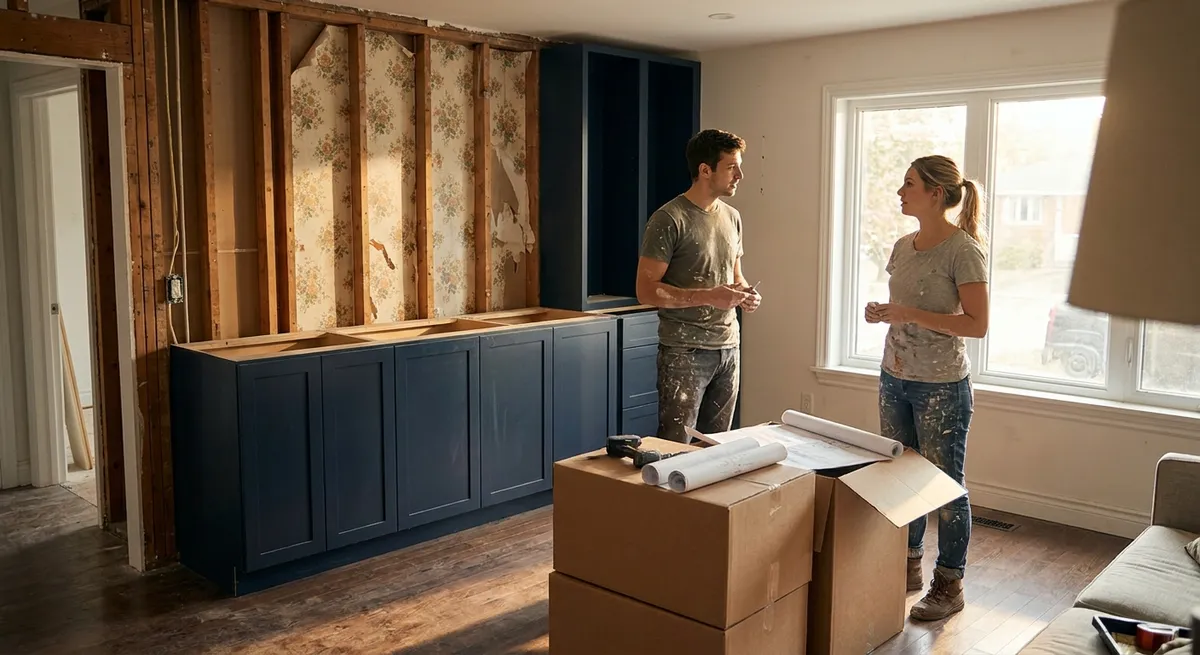
Living through repairs is not for everyone. I’ve brushed my teeth in a kitchen sink while the only bathroom was being redone. I’ve had weeks of strangers in my house. If you need move-in ready emotionally, be honest with yourself.
- Lenders still underwrite reality, not potential
Appraisals are based on comparable as-is properties, not what the house could be once you work miracles. If you overpay for an ugly listing assuming the bank will “see the potential,” that’s a fast track to an appraisal gap.
How I’d Play The “Ugly Listing” Game If I Was Starting Fresh
If I had to start all over, here’s exactly how I’d approach it now — without the naive optimism and with a lot more structure.
1. Set your “pain tolerance” budget before you fall in love
I figured out two numbers with my agent and my lender:
- Max purchase price (including closing costs)
- Max renovation/repair budget I could handle within 12–18 months
Then I stuck a post-it on my laptop: “Do not blow both at once.”
If the house needed a new roof, electrical upgrade, and full kitchen, it was above my pain tolerance — even if the price looked tempting.
2. Make your inspection do heavy lifting
On “normal” houses, people sometimes treat inspections like a formality. On ugly listings, it’s your everything.
What I learned to specifically ask inspectors to focus on:
- Foundation and grading (water is sneaky and expensive)
- Roof age and condition of flashing, not just shingles
- Electrical panel age, type, and whether circuits are overloaded
- Signs of previous DIY work that might not be to code
I also used the report as a negotiation roadmap. Instead of just sending the whole thing to the seller, I’d say: “Based on the inspector’s findings, I’m requesting a $7,000 credit to address [X, Y, Z].”
Sometimes they said no. Sometimes we split the difference. Sometimes, on truly rough properties, the seller was so relieved to keep the deal alive that they covered almost everything.
3. Time your offers when fewer people are looking
One of my best scores? I went under contract between Christmas and New Year’s. Most buyers were checked out, traveling, or hunting sales at Target, not houses.
If you can stomach searching when everyone else isn’t — think mid-winter, holiday weeks, or right as school starts — ugly listings become even more under the radar.
4. Accept that “good bones” is not just a vibe — it’s structure, layout, and location
I used to throw around “good bones” like it meant “I like this house, emotionally.” Now it means:
- The floor plan basically works without moving structural walls
- The house sits properly on the lot without obvious drainage nightmares
- The neighborhood has stable or improving values (check nearby solds)
- The major systems aren’t all simultaneously dying
If a house fails on those, I walk — no matter how cheap it looks.
Why This Strategy Might Be Perfect For You… Or Totally Wrong
If your dream scenario is turning the key on a fully finished place and focusing on literally anything other than contractors and paint chips, this strategy will feel like punishment.
But if any of this sounds like you, the “ugly listing” hunt might actually fit:
- You’re priced out of “perfect,” but can handle some chaos and sweat
- You’re willing to live with “okay for now” while you slowly upgrade
- You care more about location and structure than granite and staging
- You like the idea of building equity by improving something, not just waiting on market appreciation
I’m not a flipper. I’m just someone who wanted a solid home in a good area without obliterating my savings. Ugly listings became my back door into neighborhoods I thought I’d never touch.
The funny part? A year or two after closing, when the paint is fresh and the photos are bright, people say things like, “Wow, you bought at the perfect time. You got so lucky.”
I smile, nod, and think about the original listing photos that looked like they were taken on a potato.
Luck helped. But understanding why everyone else swiped left absolutely did more.
Sources
- National Association of Realtors – 2023 Home Buyers and Sellers Generational Trends Report – Data on how buyers search for homes online and the impact of listing presentation
- Federal Housing Finance Agency (FHFA) House Price Index – Historical data on home price trends to compare neighborhood appreciation
- U.S. Department of Housing and Urban Development (HUD) – Home Inspections – Guidance on what inspections should cover and why they matter
- Consumer Financial Protection Bureau (CFPB) – Mortgages: What to Expect – Clear explanations of how lenders and appraisals work in the homebuying process
- Harvard Joint Center for Housing Studies – Improving America’s Housing 2023 – Research on renovation spending and how home improvements play into value and equity