I Tried “Sleeper Trains 2.0” and It Broke How I Think About Flying
I thought overnight trains were a dusty relic from my grandparents’ Europe stories. Then I actually booked one. Somewhere between falling asleep in Vienna and waking up rolling into Brussels, I realized: this isn’t just “transportation.” It’s a tiny moving apartment, a social experiment, and a slow-travel cheat code all mashed into one.
Over the past year, I’ve tested a bunch of modern sleeper trains across Europe and Asia—some luxurious, some questionably “vintage,” and one that felt like a hostel with wheels and dreams. Here’s what I learned about this weirdly addictive way to move across the map without stepping into an airport.
The Night I Swapped an Airport for a Train Station
The first time I tried a modern sleeper train, I booked the Nightjet from Vienna to Brussels because flights were expensive and I wanted to pretend I was in a movie. When I walked into Vienna Hauptbahnhof around 8:30 p.m., I realized how different the vibe was from any airport I’d ever seen.
No TSA-esque chaos. No boarding group bingo. Just commuters, late-night snack hunters, and a cluster of people around a deep-blue train with “Nightjet” glowing softly on the side. I wasn’t “departing” so much as slipping out of the city without fanfare.
Dragging my suitcase down the platform, I had that tiny bit of panic: What if this is just a bad hostel on tracks? What if I don’t sleep at all? The conductor checked my ticket right at the car door, handed me a plastic hotel-style key card, and gestured down the narrow corridor.
That’s when it hit me. This wasn’t like boarding a plane. There was no “now you’re stuck in this seat for six hours” feeling. I had a room. With a door. On a train. It immediately felt less like “travel” and more like I’d just rented the world’s skinniest Airbnb that happened to move overnight.
Was it fancy? Not really. But it didn’t need to be. It felt…human-sized. And for the first time in a long time, long-distance travel didn’t feel like something I had to endure.
What Sleeper Trains Actually Feel Like (From the Inside)
If you’ve never stepped into a sleeper car, imagine if an airplane seat, a bunk bed, and a tiny hotel room had a very cramped baby.
On one Nightjet trip, I booked a “comfort” couchette (shared compartment) to see how the budget side felt. When I slid the door open, three strangers looked up: a Belgian student, an Italian engineer, and a couple who were clearly regretting not paying for a private cabin. Bags were wedged into every corner. The air smelled like a combo of deodorant, train metal, and instant noodles. Weirdly? Cozy.
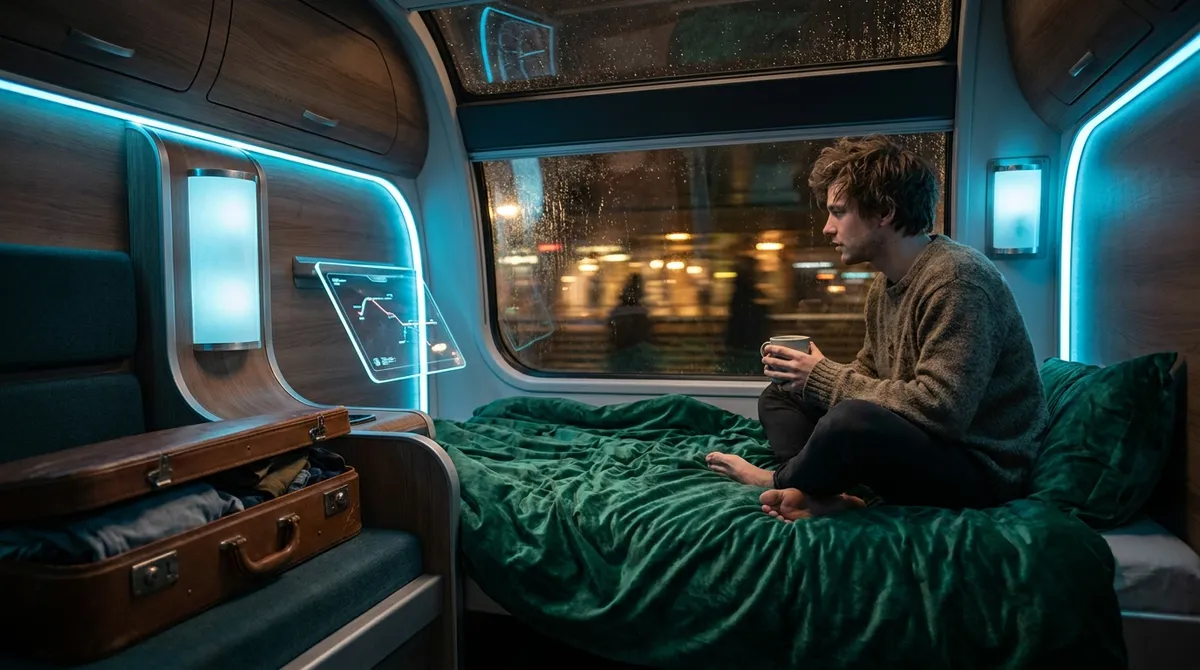
Later, when I tested a private sleeper from Prague to Zurich, the setup leveled up. Fold-down bunk beds, a little sink in the corner, a door that locked from the inside, and a surprisingly decent duvet. It still wasn’t “luxury train” Insta material, but compared to a red-eye flight? It felt downright indulgent.
A few things that consistently surprised me across different routes:
- You can move around. I’d walk to the dining car for a late beer or tea, then shuffle back in socks to my cabin. That freedom is something flying just doesn’t give you.
- The noise is specific. Trains don’t roar like planes. They hum, clack, squeak, and occasionally do that “metal-on-metal shriek” when braking. I started sleeping better once I treated those sounds like white noise, not chaos.
- The motion is gentle…usually. Most of the time it feels like being rocked to sleep. Then you hit a section of track that’s been around since forever and suddenly you’re surfing turbulence-on-rails.
- Privacy is relative. Even in private cabins, you’re aware of the human life happening just one slim wall away. A suitcase thump. A muffled conversation. The distant hiss of a sliding door. It can be oddly comforting.
The wildest moment for me was waking up somewhere in Germany at 4:30 a.m. to a silent station platform drifting past in slow motion—empty, orange-lit, ghostly. I wasn’t fully awake or asleep, just existing in this liminal, in-between world that only trains seem to inhabit.
The Real Math: Time, Money, and Sleep vs. Flying
When I started comparing sleeper trains to flights, I assumed planes would always win on speed and sometimes on price. That’s not exactly how it played out.
On a Berlin–Zurich trip, I tested two scenarios: fly vs. night train.
The plane option (Berlin to Zurich):- 1 hour to get to BER early (because, security)
- 1.5–2 hours of check-in + screening + waiting
- 1.5-hour flight
- 45–60 minutes to get from Zurich Airport into the city
That’s roughly 5–6 hours of “active” travel time—most of which I’m upright, tired, and very aware I’m traveling.
The sleeper option (Berlin to Zurich overnight):- 25-minute S-Bahn ride to Berlin Hbf
- 15–20 minutes to find my platform and car
- 9–10 hours on the train…but I’m mostly asleep or reading
On paper, the plane crushes the train on actual hours from A to B. In reality, with the night train I left after dinner, slept, and woke up downtown in Zurich. My “lost” time was just the chunk between brushing my teeth and my alarm.
Money-wise, it’s more nuanced:
- On some routes (like Vienna–Brussels or Prague–Zurich), a couchette or basic sleeper + not needing a hotel that night made the train cost pretty similar to a mid-range flight plus one night’s accommodation.
- On others, especially last-minute or in peak season, sleeper trains were almost luxury-priced compared to budget airlines—sometimes double the cost.
A 2021 report by the European Court of Auditors highlighted that rail can be cost-competitive mainly on busy corridors and when booked in advance, but low-cost airlines still undercut many long-distance routes on price. My experience matched that: book early and sleepers are fair; procrastinate and you’ll pay.
Sleep is the wild card. When I slept well (which was about 70% of my trips), I stepped off the train feeling almost smug: no jet lag, no dry cabin air, already downtown. On the rougher nights—hello, squeaky suspension and a snoring neighbor—I walked off annoyed and questioning every life choice.
So no, sleeper trains aren’t automatically cheaper or faster. But they shift where the cost happens—less in time you’re awake and stressed, more in the background while you’re (hopefully) asleep and horizontal.
The Stuff Nobody Puts on Instagram (But You Need to Know)
Once the novelty wears off, the practical quirks show up. Some are charming. Some…not so much. A few things I wish someone had told me before my first overnight ride:
1. The bathrooms are a gamble.On a brand-new ÖBB Nightjet coach, the bathroom felt like a compact airplane lavatory but cleaner—and it actually stayed that way. On an older Eastern European sleeper I took years ago, the bathroom was the kind of place you enter on a deep inhale and leave quickly. Trains are getting modernized, especially in Western Europe and parts of Asia, but there’s still huge variation.
2. You need to pack like a sleeper-train veteran.After my third trip, I had my own “kit”:
- Soft earplugs (foamy ones weren’t enough for the random shrieks of metal)
- An eye mask (station lights blast in at 3 a.m. sooner or later)
- A packable microfiber towel and small toiletries
- Flip-flops or slides for midnight bathroom runs
When I didn’t bring these, I slept worse. When I did, I actually forgot I was on a train at all.
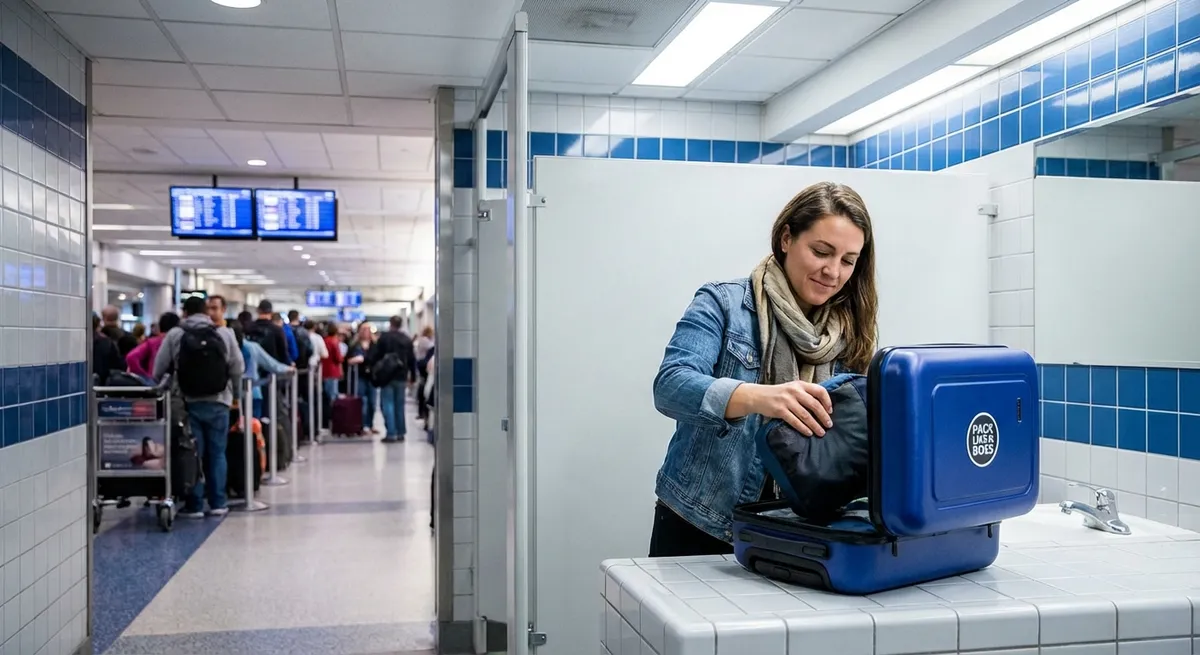
3. Security feels different from airplanes.You don’t go through the same liquid bans or shoe-removal circus. But you are in a public space with constantly changing neighbors. I learned to:
- Keep my valuables in a small daypack that doubled as a pillow
- Use the in-cabin lock and the latch (if available)
- Never leave my laptop out when going to the bathroom or dining car
I’ve personally never had anything stolen, but I’ve met others who weren’t so lucky on crowded routes.
4. Delays hit differently at 2 a.m.When my Prague–Zurich train was delayed almost an hour, we just…kept sleeping. The conductor woke us up a bit later than planned, apologized, and shrugged in that “this is rail life” way. Delays rarely turn into full cancellations overnight, but they can mess with tight morning connections. I stopped booking important meetings before 10 a.m. on arrival days.
5. You can feel lonely—or strangely connected.On solo trips in private cabins, I sometimes felt oddly isolated, aware that life was happening just beyond the thin wall. Meanwhile, shared couchettes turned into these random, temporary communities—sharing snacks, trading stories about home, silently agreeing on bathroom rotation. Once, five of us in a six-berth cabin traded life stories until 1 a.m. One guy ended up connecting me with a friend in Zurich who showed me the best local café the next morning. Would that have happened on a plane? No chance.
So yes, sleeper trains are romantic in a “gliding through the night” way. But they’re also squeaky, occasionally smelly, security-conscious, and sometimes late. Knowing that upfront made me enjoy them more, not less.
Why I Keep Choosing a Bed on Rails Over a Seat in the Sky
I still fly. There are routes where a plane is just the only thing that makes sense. But I’ve noticed a pattern: when there’s a viable sleeper train option, I increasingly reach for that over a short-haul flight.
A few reasons I keep coming back:
1. The carbon guilt is lighter—but not zero.The European Environment Agency estimates that, on average, rail emits around 14 g of CO₂ per passenger-km, while air travel is closer to 158 g for short-haul flights. Exact numbers vary, but the gap is big. I’m not saving the planet by taking a sleeper train, but I feel less like I’m actively punching it.
2. My body handles it better.I don’t get that “plane hangover”—dry sinuses, weird bloating, the sense that my spine has filed a complaint with HR. On trains, I can walk, stretch, sit cross-legged, lie down, and snack without worrying about tray tables.
3. The journey stops being dead time.On one overnight run from Amsterdam to Zurich, I spent two hours in the dining car chatting with a Swiss couple who’d been taking the same route for 20 years. They told me how the old night trains used to be, what’s changing, and which windows had the best sunrise view. That conversation stuck with me more than most of my trips through airports.
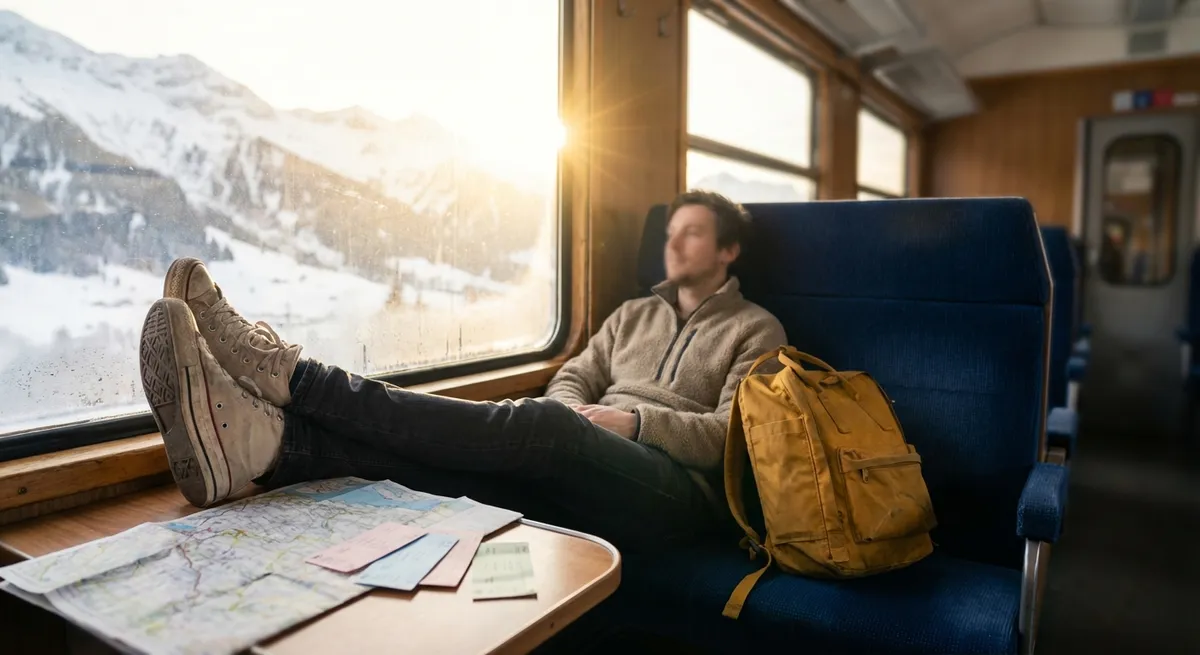
4. I actually see the world I’m moving through.Sunset over snowy fields in Austria. Pre-dawn mist on the Rhine. Fields outside Warsaw that look nothing like the coastal views near Barcelona. Instead of teleporting from one city to another, you get a sense of the in-between—and that weirdly makes the whole continent feel more connected.
But I’m not blindly romantic about it:
- If I absolutely need a full, guaranteed night of quiet sleep? I’ll book a hotel and take a daytime train or an early flight.
- If the price difference between a budget flight and a sleeper is outrageous, I don’t always pick “ethics” over my actual wallet.
- If I’m traveling with someone who’s a very light sleeper, I warn them bluntly: “This might be magical or it might be the longest night of your life.”
For me, the sweet spot is when a night train lets me replace a hotel and a short flight in one go, and when I’m in the mood to treat the journey as part of the trip instead of something to minimize at all costs.
So…Are Sleeper Trains Worth It?
If you’re expecting a rolling luxury hotel, you’ll probably be disappointed. If you treat them like a hybrid between transportation, budget accommodation, and a strange little social universe—then yeah, they can be honestly amazing.
In my experience, you’ll probably love sleeper trains if:
- You enjoy slow travel and care how you get somewhere, not just that you arrive.
- You don’t mind a bit of unpredictability and noise.
- You like the idea of waking up in a new city without stepping into an airport.
You’ll probably hate them if:
- You’re a super light sleeper who needs total silence and darkness.
- You’re obsessed with exact timing and tight morning schedules.
- You expect hotel-level privacy and amenities at economy prices.
When I tested them across different countries, one thing stayed constant: I stepped off those trains with stories, not just boarding passes. Some involved breathtaking sunrises. Some involved a stranger’s snoring and a broken air vent. But all of them felt like travel I’d lived, not just endured.
And that’s why, whenever I see a map of routes crisscrossing a continent, my first instinct now isn’t “What’s the cheapest flight?” It’s quietly: “Can I sleep my way there instead?”
Sources
- European Environment Agency – Greenhouse gas emissions from transport – Data comparing CO₂ emissions from rail vs. air and other transport modes in Europe.
- European Court of Auditors – Rail Passenger Rights in the EU (Special Report 30/2021) – Analysis of rail services across Europe, including competitiveness, pricing, and reliability.
- ÖBB Nightjet Official Site – Details on modern sleeper train configurations, routes, and services operated by Austrian Federal Railways.
- Deutsche Bahn – Night Train Information – Overview of sleeper and night train services connected to the German rail network.
- International Energy Agency – The Future of Rail – Global look at rail’s role in transportation, with statistics on energy use and emissions.