I Tried “Friend Dates” With Strangers: Why It’s Awkward… And Weirdly Healing
I hit a point last year where my group chats were loud but my actual real-life social life was on silent mode. I had “online people,” “work people,” and “people I keep saying we should catch up with,” but not many “I can text you at 2 a.m. because my brain’s spiraling” people.
So I did the thing that sounds a bit desperate and a bit unhinged: I started going on deliberate, scheduled friend dates with strangers. Like a coffee date… but for a platonic connection. No swiping right, no romance, just two humans trying to not be weird for an hour.
When I tested this experiment across apps, local events, and even DM’ing internet mutuals, I went through awkward silences, instant “oh wow, we click” moments, and one truly cursed brunch where we both pretended the vibes were fine (they were not).
Here’s what actually happened, what surprised me, and how you can try it without feeling like you’re auditioning for a personality.
Why I Started Treating Friendship Like Dating (Without the Roses)
The moment it hit me was embarrassingly specific: I was sick on a Tuesday, staring at my phone, realizing I didn’t know who I could text for help that wouldn’t feel “too much.” I knew a lot of people. I just didn’t feel known by many.
I’d been reading about what psychologists call “social capital” and “weak vs. strong ties.” Weak ties are your coworkers, gym acquaintances, online mutuals. Strong ties are the people who’d help you move, know your mom’s name, and have seen you ugly-cry. My life was overrun with weak ties and light on strong ones.
A 2010 meta-analysis by Julianne Holt-Lunstad and colleagues went viral in the psychology world because it found that strong social relationships were associated with a 50% increased likelihood of survival across multiple studies. That’s the kind of stat that makes you put your phone down and stare at the wall for a minute.
At the same time, surveys from the American Survey Center and other orgs showed rising feelings of loneliness and having fewer close friends, especially among young adults. I remember thinking, “Okay, it’s not just me glitching socially. The system’s kinda broken.”
So I made a decision I’d never consciously made before:
Instead of waiting for friendship to just happen, I was going to actively pursue it. Like dating, but with less pressure and way better snacks.
That’s when I came up with my tiny, slightly cringey experiment:
> For three months, I’d say yes to at least one “friend date” a week with someone I didn’t already know well.
Coffee. Walks. Park hangs. Whatever. The rules were:
- Platonic intention from the start
- One hour minimum
- Honest check-in afterward: “Do I actually want to see this person again?”
What came next surprised me way more than I expected.
The First Friend Dates: Scripts, Silence, and One Accidental Trauma Dump
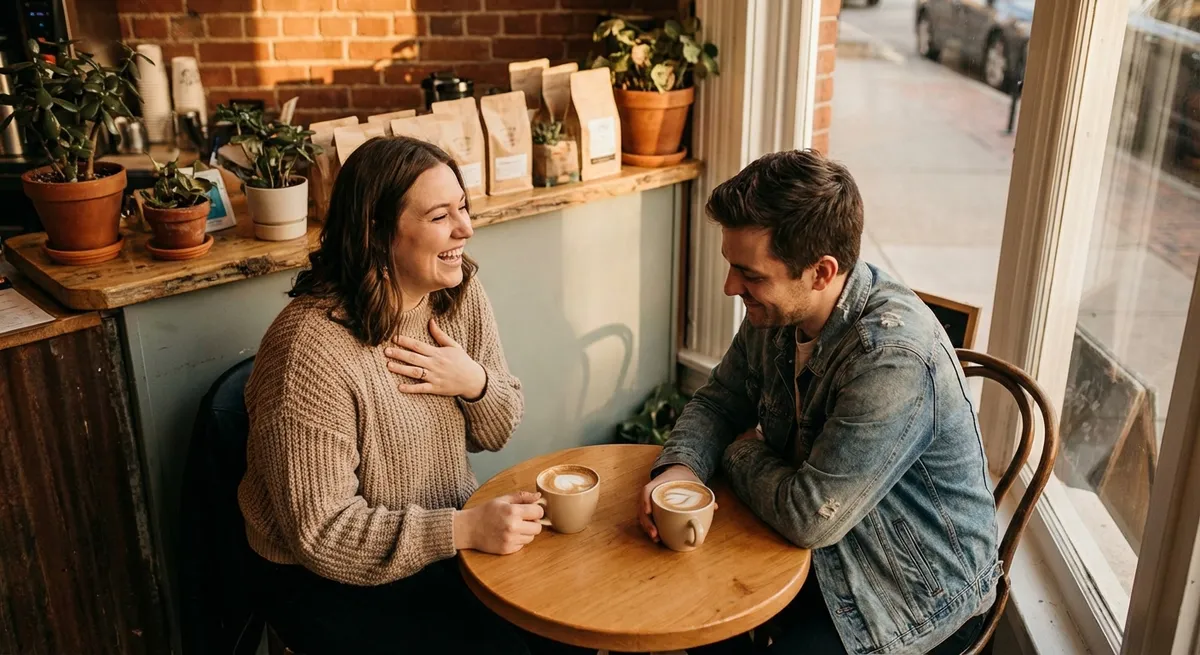
My first friend date was with someone I met in a local Discord server for people who’d just moved to my city. We’ll call her M. We agreed on a coffee shop at 11 a.m.
I showed up ten minutes early like a try-hard and immediately panicked about seating logistics. Do I grab a table? Do I wait by the door like I’m holding a tiny cardboard limo sign that says “FRIEND”?
When she arrived, we did that overly enthusiastic “Hi!!” that says: “I’m normal. Are you normal? Can we be normal together?”
For the first fifteen minutes, my brain pulled every small-talk script it had:
- “So what do you do?”
- “How long have you been here?”
- “Do you like your job?”
It felt like interviewing for a role called “Person I Might Confide In One Day.”
Then something interesting happened. I asked a question I’d tested out on myself earlier:
> “What’s something small that’s actually making your life better right now?”
She paused, then started talking about these early-morning walks she’d been taking to manage anxiety that had spiked since she moved. She didn’t spill her entire mental health file, but she also didn’t keep it surface-level.
That’s when the energy shifted. I shared that I’d bounced between cities too and that in my experience, the first year always felt like “social Tetris” with all the wrong pieces. We both laughed. The conversation un-stiffened.
Not every friend date went that smoothly. Some real things that happened:
- One person turned the entire hour into a monologue about their ex. I became their unpaid therapist. I left drained and knew I wouldn’t meet again.
- Another was all surface: movies, work, weather. No one took a risk. Nice person, zero spark.
- One spectacularly bad one: we both trauma-dumped way too soon. It felt intense, then weirdly hollow afterward. I’d skipped the “middle layers” of building trust.
What I learned the hard way: the best friend dates sit in the middle between fake-polished and oversharing chaos. You offer a small real thing, see how they handle it, and build from there.
It’s basically emotional pacing, and honestly, I wish this was taught in school next to algebra.
The Surprisingly Strategic Side of Making New Adult Friends
The more I experimented, the more I realized good friend dates aren’t random. There’s an actual strategy to it, and it’s not about being charismatic or “the fun one.”
Here’s what actually made the difference when I tested it in real life:
1. Picking the Right “Friend Funnel”
I tried three main pathways:
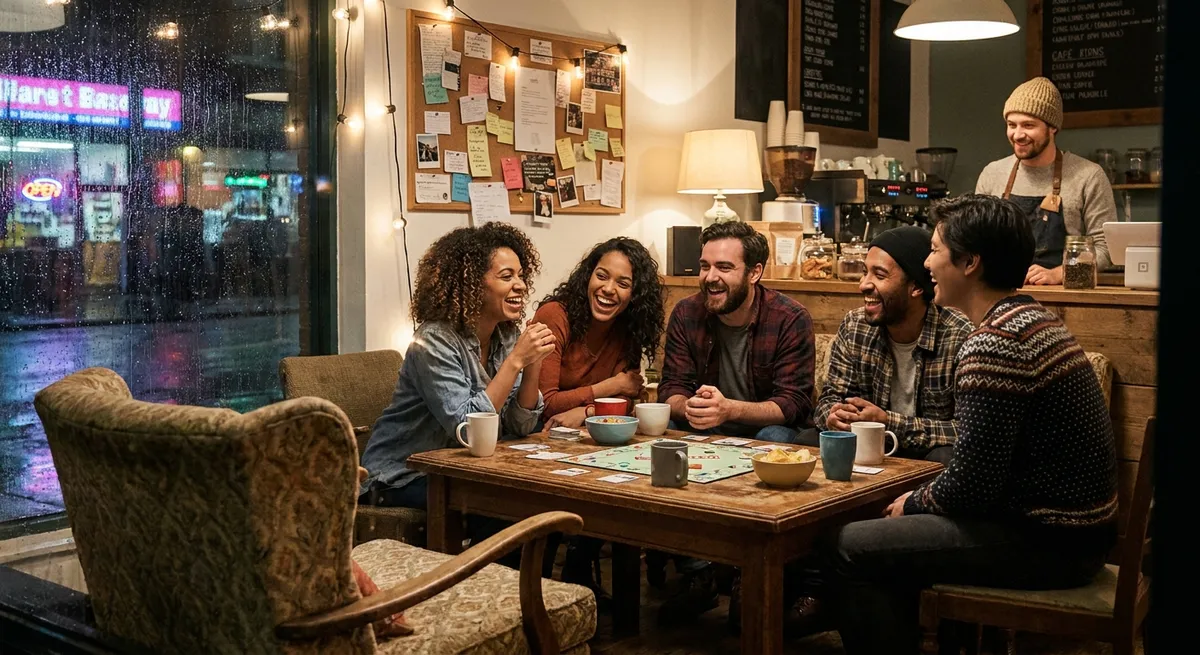
- Interest-based stuff: local language exchange, a board game café night, a writing meet-up.
- Apps/platforms: Bumble For Friends, Meetup, Discord, and yes, sliding into DMs of local creators I vibed with.
- Friend-of-a-friend: asking people I already knew, “Hey, is there anyone you think I’d get along with who’s also looking to meet people?”
Interest-based events won. By a mile. When you start with a shared obsession—books, climbing, pottery—you skip past “So what do you do?” and go straight into “Why are you irrationally angry about that TV finale?”
This matches what a lot of sociologists and community researchers talk about: “third places”—spaces that aren’t work or home, like cafés, libraries, clubs—are where friendships most naturally form because they’re low-pressure and repeated over time.
2. The “One Step Deeper” Rule
On dates that went well, I realized we both kept doing this tiny social maneuver: taking whatever the other person said and going one step deeper without interrogating them.
Someone says they’re tired? Instead of “Same,” I’d ask:
> “Good tired or the kind where your soul has left your body?”
They’d usually laugh, then clarify: “Honestly, burned out from work.” That opened a door to talk about boundaries, ambition, and what we were both afraid of turning into.
In my experience, asking slightly better questions did more for connection than trying to be funny or impressive.
3. Letting Some Conversations Just… Be One-Offs
I had to unlearn the idea that every friend date had to become a long-term friend. Some were better as “one-night-only” social moments. Like:
- The guy I met at a live podcast taping who taught me everything about urban birdwatching and then we never spoke again.
- The woman who gave me genuinely elite budget travel hacks and vanished into the ether.
They still mattered. Psychologists call these “peripheral ties” or “weak ties,” and research from places like Stanford has shown they’re powerful for things like career opportunities and feeling more embedded in a community. But they don’t all need to become “ride or die.” That realization took a LOT of pressure off.
When a Stranger Actually Becomes “My Person”
About six friend dates in, I met someone I’ll call L at a coworking space. We bonded first over our mutual hatred of the office AC being set to “Arctic.”
We did a coffee walk. Then another. Then week five, she texted:
> “I’m going to Trader Joe’s at 8 p.m. like a chaos gremlin. Wanna come?”
That’s when I knew we’d crossed into Real Friend Territory—when errands became hangs.
Looking back, a few things made that shift feel natural instead of forced:
- We didn’t only trauma bond. We sprinkled in dumb memes and videos between deep conversations. Our chats weren’t just emotional crisis centers.
- We did small favors early. She watered my plants once; I picked up her package. Those tiny acts built trust way quicker than rehashing our life stories for the 10th time.
- We created micro-rituals. Wednesday night walks. Sending each other the worst Zillow listings we could find. That repetition turned “new friend” into “my people.”
There’s actually research behind that last part: studies on “relationship rituals” show that repeated, shared activities—even silly ones—help create a sense of predictability and belonging. Families do it. Couples do it. Friendships benefit from it, too.
Of course, not every promising friend date turned into a L-level connection. Some people were on totally different timelines: new baby, intense career season, caretaking responsibilities. They weren’t any less kind, just less available.
That’s one of the hard truths I bumped into:
> Chemistry matters, but capacity might matter more.
You can click with someone and still not have the emotional or time bandwidth to build something deep right now. Learning to see that as logistics, not rejection, made the process way less painful.
The Good, The Bad, and The “Maybe I’ll Just Stay Home” of Friend Dates
By the end of my little experiment, I’d met with more than a dozen strangers for intentional friend dates. Here’s the honest breakdown.
What Got Way Better
- My social anxiety shrank. Repetition de-mystified the process. The first three times, I mentally rehearsed my answers like it was a job interview. By the tenth time, I could roll with awkward pauses without wanting to disappear.
- My “lonely in a crowd” feeling faded. Even when individual dates didn’t turn into besties, my city started to feel less like a giant anonymous blob and more like “my place.” I’d run into people I recognized at cafés and events, and that micro-familiarity was weirdly comforting.
- I got clarity on my own vibe. I stopped trying to be the “most interesting version of myself” and started noticing who I was around different people. With my favorite friend dates, I felt low-effort and fully myself. That became my internal compass.
What Was Messy or Draining
- Emotional whiplash is real. Going from a deep, energizing conversation one week to a stilted, awkward one the next felt like social mood swings. I had to learn not to take the awkward ones personally.
- Scheduling is brutal. Adults are busy. Coordinating calendars sometimes felt harder than the actual vulnerability of meeting. One person rescheduled three times, and I finally let it go.
- Safety and boundaries mattered more than I expected. Meeting in public places, telling a friend where I was, and being willing to leave if the vibe felt off wasn’t paranoia—it was just smart. I only had one semi-creepy experience (overly pushy “we should hang out at my place” energy), and I was glad I’d kept an exit plan.
What Didn’t Magically Happen
- I didn’t suddenly have a sitcom-style friend group who all hang at the same bar every night.
- I didn’t “cure” loneliness permanently. It still spikes on random evenings.
- I didn’t become an extrovert. I just got braver at starting.
What did change was quieter but bigger: my belief that adult friendship is purely accidental completely shattered.
How to Try Friend Dates Yourself Without Feeling Like a Weirdo
When I tell people I did this, the most common reaction is some mix of: “That sounds amazing” and “I could never, I’d rather eat a shoe.”
If your social life feels stale or thin and you’re friend-curious but terrified, here’s what actually helped me push through the cringe in a sustainable way.
Start With Low-Stakes Environments
My best recommendation from experience: join something recurring before you slide into anyone’s DMs. A weekly class, club, coworking space, or volunteer shift gives you:
- Built-in conversation starters
- A chance to observe people’s vibe before committing to a 1:1 hang
- Natural follow-up (“Hey, want to grab coffee after next week’s class?”)
Think of the friend date as step two, not step one. Step one is just showing up somewhere consistently enough for faces to become familiar.
Use Scripts Shamelessly
I got over my fear of sounding awkward by literally writing and reusing little scripts. For example:
- To ask for a hang:
> “Hey, I’ve really liked chatting with you at [place]. Want to grab coffee or a walk sometime next week?”
- To clarify the vibe (if you’re worried it’ll be mistaken for romantic):
> “No pressure either way, but I’m trying to make more local friends. You seem cool and I’d love to keep the conversation going.”
- To exit gracefully if the vibe is off:
> “This was really nice! I’ve gotta head out, but it was great getting to know you a bit.”
Using the same words over and over sounds robotic in your head, but out loud it just sounds… clear. And clarity is a kindness, both to them and to your anxiety.
Protect Your Energy on Purpose
I set two rules for myself that kept me from burning out:
- Max one new friend date a week. More than that and my inner introvert went on strike.
- Honest debrief afterward. I’d ask myself:
- Did I feel more energized or more drained?
- Did I like who I was around them?
- Do I actually want to see them again, or do I just feel like I “should”?
If I didn’t genuinely want a round two, I let it go. Not ghosting mid-conversation, but simply not forcing follow-up plans if neither of us initiated. That’s not cruelty; that’s curation.
Expect It to Feel Clunky at First
My first few outings felt like I was learning a new language. Timing jokes, balancing listening with sharing, deciding when to suggest a second hang—it all felt painfully manual.
Then, slowly, something shifted. I stopped narrating my every social move in my head. Conversations started to feel like… conversations again, not auditions.
That’s the part that doesn’t go viral but matters most: comfort grows quietly when you give yourself reps.
What I’d Tell You If We Were The Ones on a Friend Date
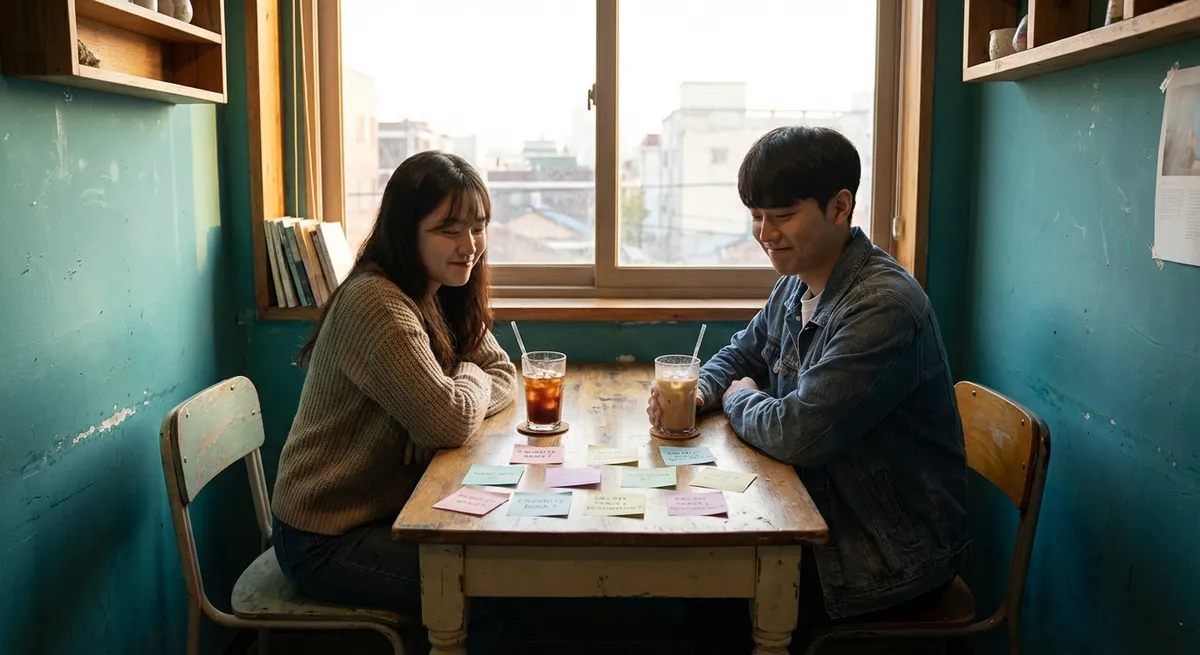
If you and I were sitting across from each other right now with iced coffees sweating on the table, here’s what I’d tell you after all this:
You’re not weird for wanting deeper friendships—or more of them. You’re not behind for not having a built-in squad. So many people are walking around with crowded calendars and starving hearts.
Treating friendship with the same intentionality people reserve for dating didn’t make my life perfect, but it did make it softer. I now have a couple of people I can text “I’m spiraling, please send distractions” and know they’ll show up. That alone has changed the texture of my days.
The awkward starts, the mismatched vibes, the ghosted messages—they were the toll I paid for a few relationships that feel undeniably worth it.
If any part of you is curious, run your own tiny experiment. One message. One event. One friend date. See what happens.
And if you ever catch someone alone at a café, reading and occasionally people-watching with that “I want to be known but also don’t talk to me” expression… there’s a decent chance they’re just waiting for someone else to be brave first.
Maybe that someone can be you.
Sources
- American Psychological Association – Social Isolation and Health – Overview of research linking social isolation and loneliness with mental and physical health outcomes.
- Holt-Lunstad, J. et al. (2010) – “Social Relationships and Mortality Risk” (PLOS Medicine) – Meta-analysis showing strong social relationships are associated with a significantly increased likelihood of survival.
- Pew Research Center – The State of American Friendship – Data on Americans reporting fewer close friendships and how that’s changed over time.
- Stanford University – The Strength of Weak Ties (Mark Granovetter) – Classic sociological work on how “weak ties” impact opportunity and social networks.
- Brookings Institution – The Importance of “Third Places” in Communities – Discussion of how third places like cafés, libraries, and community centers support social connection.