I Swapped My Regular Coffee for Cold Brew—Here’s What Actually Happened
I thought cold brew was just iced coffee with better branding. Then I made a batch at home, swapped it in for my usual morning mug, and… my entire caffeine routine flipped. Stronger flavor, less bitterness, fewer jitters—plus it somehow made me feel like I had my life slightly more together.
If you’ve been side‑eyeing those giant cold brew jugs at the grocery store or wondering if it’s worth making at home, I’ve tested, messed up, and finally dialed it in. Here’s what really changes when you trade your regular hot coffee for cold brew—and how to do it without turning your kitchen into a science lab.
What Cold Brew Actually Is (And Why It Hits So Different)
When I first tried to make cold brew, I treated it like leftover coffee on ice. Totally wrong. The big difference isn’t the temperature—it’s the brewing method.
Cold brew is made by steeping coarse-ground coffee in cold water for a long time—usually 12 to 24 hours. No heat, just patience. That slow extraction pulls out flavor compounds while leaving behind a lot of the acids and bitter notes that jump out in hot coffee.
When I tested this side by side—same beans, same coffee-to-water ratio, one brewed hot and cooled, one brewed cold—the flavor difference was wild. The hot-brewed-over-ice version tasted sharp, kind of sour, and went watery fast. The cold brew was smoother, chocolatey, and naturally sweet. I didn’t even want to add sugar, which is not my personality.
Coffee scientists (yes, that’s a real job) have actually measured this. Cold brew tends to have:
- Lower perceived acidity than hot coffee, even if the actual pH difference is small. A 2018 study from Thomas Jefferson University found that cold brew often tastes less acidic and harsh because different compounds dominate at lower temperatures.
- A very high extraction time (12–24 hours), which changes the balance of aromatics and bitter compounds.
In my experience, if you’re someone who gets heartburn from hot coffee, cold brew can be a game-changer. For me, it meant I could drink one large glass instead of three small ones and feel way less wrecked.
Making Cold Brew at Home: The Method I Actually Stick To
I tried multiple cold brew “hacks,” from fancy $40 brewers to mason jars with socks (don’t ask). The method I kept coming back to is stupidly simple and doesn’t require special gear.
Here’s exactly how I do it and what I learned by messing it up a few times.
My Go-To Ratio
Most baristas talk about ratios, and for good reason. When I eyeballed it, my first batch tasted like slightly caffeinated sadness.
What works for me:
- 1 cup (about 85–90 g) coarsely ground coffee
- 4 cups (about 950 ml) cold, filtered water
That gives you a concentrate. I usually dilute it 1:1 with water or milk when serving.
Whenever I tried to go “stronger” and add more coffee, the flavor got muddier, not better. It went from rich to weirdly flat and over-extracted. The sweet spot for most people is a 1:4 to 1:5 coffee-to-water ratio for concentrate.
The Actual Process (Zero Fancy Gear Required)
Here’s the version that lives in my fridge now:
- Grind the coffee coarse
I use something like a French press grind—big, chunky bits. When I tested medium grind, the brew tasted chalky and harder to filter.
- Combine in a jar or pitcher
I dump the grounds into a large mason jar, pour in cold filtered water, and stir until everything’s wet. Dry pockets of coffee = weak spots in the final brew.
- Cover and steep 14–18 hours
On the counter or fridge both work.
- On the counter: I get a stronger, fuller flavor but it can go slightly “dusty” if I push past 18 hours.
- In the fridge: a bit lighter, super clean, less risk of overdoing it.
When I tried 24 hours on the counter, it felt a touch over-extracted—almost woody.
- Strain twice if you care about smoothness
First pass: through a fine-mesh strainer or French press.
Second pass: through a paper filter or clean cloth.
The times I skipped the second pass, I ended up with sludge at the bottom and a gritty last sip.
- Store in the fridge
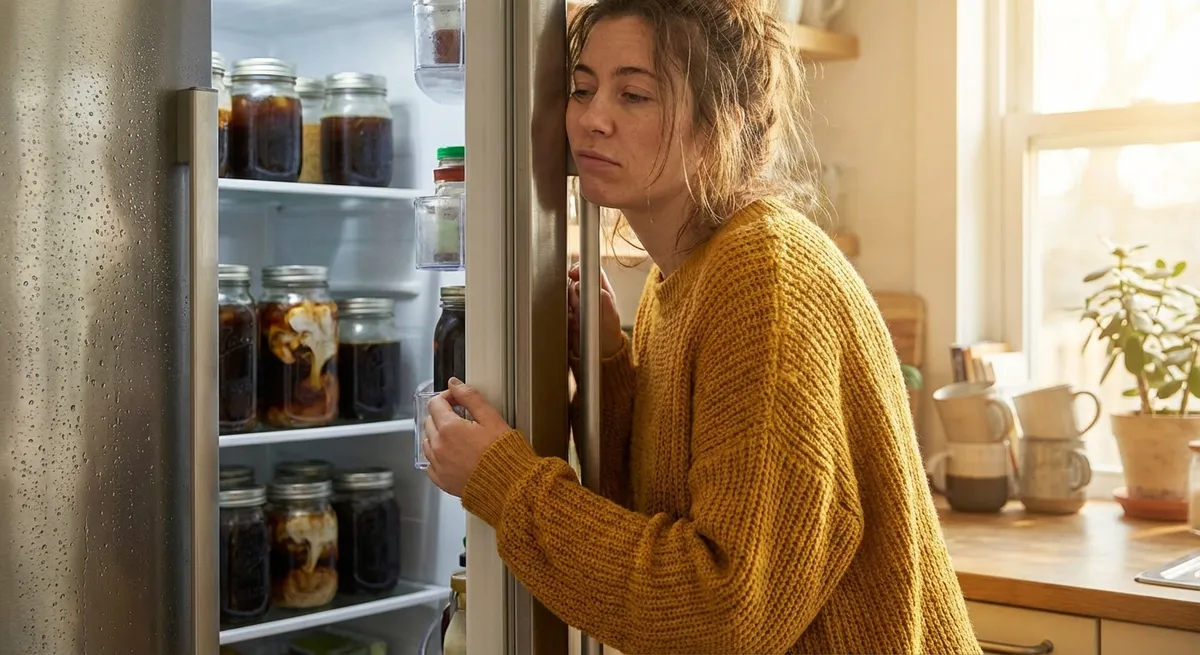
I keep the concentrate in a glass bottle for up to 5–6 days. After day 6, I start to taste a stale, flat edge, especially with lighter roasts.
What It Actually Tastes Like With Different Beans
I used to think “coffee is coffee,” but cold brew really exposes how different beans behave:
- Light roast: When I tried an Ethiopian light roast, the cold brew came out tea-like and super floral, almost like iced black tea with jasmine. Great over ice, awful with heavy cream.
- Medium roast: My favorite for cold brew. Chocolate, caramel, and a bit of fruit. This is what tastes most like a fancy café drink.
- Dark roast: Tastes like grown-up chocolate milk when diluted with oat milk. Less complex, more “roasty.” Some batches felt a bit smoky if I steeped too long.
Once I figured this out, I started buying beans based on how I planned to brew. Cold brew loves medium, balanced roasts.
Caffeine, Jitters & Sleep: The Side Effects I Actually Felt
I’d heard cold brew was “more caffeinated,” but I wanted to see how it played out in real life. So, for a week, I swapped my usual 2–3 cups of hot coffee for measured cold brew servings.
The Caffeine Reality
Cold brew concentrate can be a caffeine bomb, depending on your ratio. Lab tests from commercial brands (like Starbucks) show cold brew concentrate can clock in around 200+ mg of caffeine per 16 fl oz serving, sometimes more. For context, a standard 8 oz brewed coffee is often around 80–100 mg.
When I didn’t dilute enough, I noticed:
- Faster “wake up” feeling
- A bit of hand shakiness if I drank it on an empty stomach
- That weird wired-but-tired feeling in the afternoon
Once I started diluting 1:1 and sticking to one big glass (around 12–14 oz total), I got:
- A smoother ramp-up in energy
- Fewer jitters
- No afternoon caffeine crash, just a gentle fade
The FDA’s general guidance of up to 400 mg caffeine per day for most healthy adults suddenly felt very relevant. With cold brew concentrate, it’s easy to overshoot that in two drinks without realizing it.
Gut & Heartburn Check-In
I’m not super sensitive, but hot coffee on an empty stomach sometimes gave me a low-key burning sensation. With cold brew:
- I noticed much less heartburn, even when I drank it before breakfast.
- I didn’t get that urgent “I need a bathroom right now” moment as often.
It’s not a magic gut-fix, though. On days I drank a strong cold brew plus very little food, I still felt jittery and slightly off. Less acidic doesn’t mean gentle if you’re overdoing caffeine.
Iced, Creamy, Sparkling: The Ways Cold Brew Actually Shines
Once I had a decent base recipe, I started playing with ways to serve it. Some sounded ridiculous, but a few became non-negotiable summer habits.
My Everyday Setup: “Lazy Latte” Cold Brew
On a typical morning when I want something quick but indulgent, I do:
- Half glass cold brew concentrate
- Half glass oat milk or whole milk
- 3–4 ice cubes
- Tiny pinch of sea salt (this is the secret weapon)
That pinch of salt sounds weird, but it softens bitterness and makes it taste like something you’d pay $6 for at a café. When I tested it without salt, the drink tasted flatter, like something was missing and I couldn’t explain what.
If I want it slightly sweet, I use a simple syrup (equal parts sugar and water heated until dissolved) instead of straight sugar. Cold liquid doesn’t dissolve sugar well, and I got tired of gritty sips at the bottom.
The “I Need Dessert, Not Coffee” Version
When I crave dessert at 3 p.m. but don’t want to fully commit:
- 1 part cold brew
- 1 part vanilla or caramel protein shake, or vanilla almond milk
- Shake it hard with ice in a jar
It accidentally tastes like an adult milkshake. The first time I did this, I used a mocha protein shake and it was unreasonably good—like chocolate milk that happens to have caffeine.
The Weird One That Actually Works: Sparkling Cold Brew
This sounded like a crime, but I tried it after seeing it on a café menu.
I went with:
- Half glass cold brew
- Half glass cold, plain sparkling water
- Slice of orange or lemon
When I tested this side by side with plain iced cold brew, the sparkling version felt more refreshing and “alive,” especially on hot days. It’s like a coffee soda without the sugar. Not something I crave every day, but clutch when it’s ridiculously hot out.
Pros, Cons, and Who Cold Brew Really Makes Sense For
After rotating cold brew into my life for a few months, here’s the honest breakdown of what I love and what annoyed me.
What Worked Really Well
- Smoother taste: Way less bitterness, so I naturally used less sugar and flavored syrups.
- Meal-prep style convenience: Brew once, drink all week. The mornings I woke up to a full bottle of cold brew in the fridge, I felt like a functional adult.
- Stomach-friendlier (for me): Less heartburn, less acidic “bite.”
- Customizable strength: I could dilute based on my day—stronger on big work days, lighter in the afternoon.
The Downsides I Actually Hit
- Time lag: You can’t decide at 7 a.m. that you “want cold brew” if you didn’t prep it the day before. I forgot to start a batch more times than I want to admit.
- Easy to over-caffeinate: Since it’s smooth, you don’t taste how strong it is. The days I poured a giant glass without thinking, I paid for it with jitter-city.
- Fridge space: A big jar of concentrate plus milk and food… something had to go. (Goodbye, leftover takeout.)
- Upfront beans cost: Since you use a decent amount of coffee at once, it can feel like a lot—though per serving, it still came out cheaper than café drinks.
Who It’s Genuinely Great For
From my own experience and watching friends try it, cold brew tends to work best if:
- You love coffee flavor but hate bitterness and acid.
- You’re willing to prep the night before.
- You like iced drinks year-round.
- You’re okay with tweaking your caffeine intake a bit and paying attention to how your body reacts.
If you’re someone who loves the ritual of a hot mug, the aroma, and that first steamy sip, cold brew probably won’t replace your main coffee—but it might become your afternoon or summer thing.
The Small Tweaks That Made the Biggest Difference
After dozens of batches (and a few tragic disasters that tasted like cold ash water), these tiny changes gave me the biggest upgrade:
- Grinding fresher: When I switched from pre‑ground to grinding right before brewing, the flavor bump was dramatic. Less cardboard, more chocolate and fruit. Not marketing hype—actual difference you can taste.
- Filtered water: I tested tap water vs filtered. Tap worked, but the filtered batches tasted cleaner and more “sharp” in a good way. If your tap water has a strong taste, your cold brew absolutely will too.
- Shorter steep times with dark roasts: At 20+ hours, my dark roast batches tasted harsh and overdone. Pulling them at 12–14 hours fixed it.
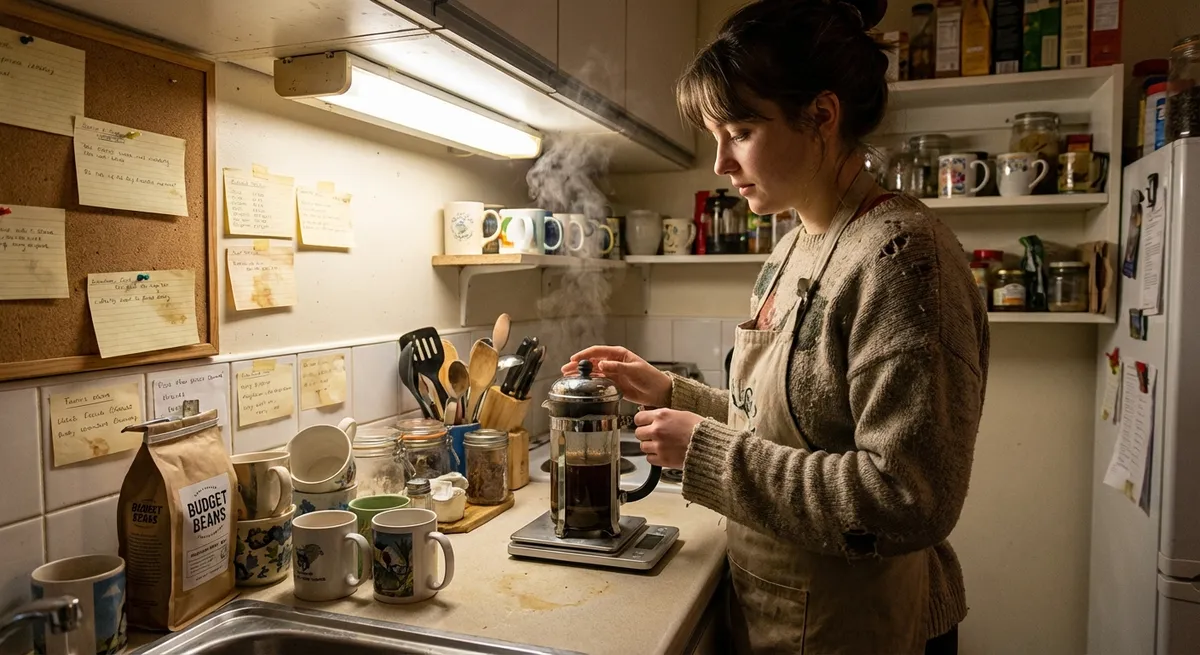
- Actually weighing the coffee: Using a cheap kitchen scale instead of scoops made my results predictable. When I eyeballed it, I had one batch so strong it felt like a personal attack.
Once I locked those in, making good cold brew stopped feeling like a project and started feeling like a habit I could actually maintain.
Wrap-Up: Is Cold Brew Worth the Hype?
After fully swapping my regular hot coffee for cold brew for multiple stretches, here’s where I landed:
- It didn’t “change my life,” but it did:
- Make my mornings easier
- Cut down on sugar and cream
- Calm down my occasional heartburn
- Save me from spending ridiculous amounts at cafés
For me now, hot coffee is my cozy, slow-morning ritual. Cold brew is my get-things-done fuel—especially in warmer months or on days I need something strong but smooth.
If you’re even a little coffee-obsessed, cold brew is absolutely worth a week-long test. Make one decent-sized batch, track how you feel (energy, sleep, stomach, mood), and tweak from there. Worst case, you end up with enough concentrate to turn into fun coffee mocktails. Best case, you find a new go-to drink that lives in your fridge and quietly upgrades your mornings.
Sources
- U.S. Food & Drug Administration – Spilling the Beans: How Much Caffeine is Too Much? – Guidance on safe daily caffeine intake and health considerations
- Harvard T.H. Chan School of Public Health – Coffee and Health – Overview of coffee’s health effects, caffeine, and brewing methods
- National Coffee Association – All About Cold Brew Coffee – Industry perspective on what cold brew is, how it’s made, and how it differs from iced coffee
- Thomas Jefferson University – “Acidity and Antioxidant Activity of Cold Brew Coffee” (2018) – Research comparing acidity and chemical profiles of cold brew vs hot coffee
- Starbucks – Cold Brew Coffee Product Information – Real-world reference for nutrition and caffeine content in commercial cold brew drinks