The Cozy Pop Revolution: Why “Comfort TV” Has Us Completely Hooked
I used to feel guilty for rewatching the same show for the fourth (okay, sixth) time. Then I realized something: every time life felt chaotic, I ran straight back to my “comfort TV” like it was emotional bubble wrap.
Recently I binged The Great British Bake Off for the umpteenth time after a brutal week—and I noticed I wasn’t just “wasting time.” I was regulating my stress, soothing my brain, and actually feeling more creative afterward.
If your “Continue Watching” section looks like a shrine to cozy, low-stakes shows, you’re not alone. Welcome to the cozy pop revolution—where comfort TV, feel-good movies, and easygoing reality shows are quietly taking over our watchlists.
What Exactly Is Comfort TV?
When I asked a friend what her comfort show was, she didn’t even blink: “Friends. I don’t even watch it anymore—it just plays while I exist.” That’s the essence of comfort TV.
Comfort TV isn’t a genre; it’s a vibe. It’s any show or movie you turn on because it feels safe, familiar, and low-pressure. You know nobody’s pet is going to die unexpectedly, the stakes won’t give you a headache, and the jokes land even when you’re half on your phone.
For me, it’s a rotating lineup:
- Parks and Recreation when I want gentle optimism
- Gilmore Girls when I want fast-talking chaos without real consequences
- Korean slice‑of‑life dramas when I want soft visuals and soft plots
Media psychologists actually have a name for this. It’s called “parasocial relationships”—that weird-but-real bond we form with fictional characters or on-screen personalities. According to research summarized by the American Psychological Association, these one-sided connections can provide genuine emotional comfort and a sense of belonging, especially when we’re stressed or lonely.
The wild part? Even knowing they’re fictional doesn’t break the spell. My brain still treats Leslie Knope like a real, extremely supportive friend.
Why Our Brains Crave Rewatches and Low-Stakes Stories
I used to think I liked comfort TV because I was lazy. Then I learned my brain was basically running a self-care protocol behind my back.
Neuroscientists have found that predictability can help reduce anxiety by lowering “cognitive load”—the mental effort required to process new information. When we rewatch a show, we’re not working as hard. We know the plot twist. We know who ends up with who. That frees up mental bandwidth and gives the nervous system a break.
When I tested this on myself, I noticed something:
- If I tried a new, intense drama after a long day, I’d doom-scroll halfway through.
- If I rewatched Brooklyn Nine-Nine, I’d actually feel my shoulders drop and my jaw unclench.
A 2020 survey from Nielsen found that Americans spent more than a quarter of their TV time on rewatched content and older shows. That’s not because there’s “nothing new” to watch—it’s because the familiar feels like emotional home.
Comfort TV also hits the nostalgia button. Studies on nostalgia from the University of Southampton suggest it can boost mood, increase feelings of social connectedness, and even make people feel more optimistic about the future. No wonder holiday movie marathons feel like therapy with commercials.
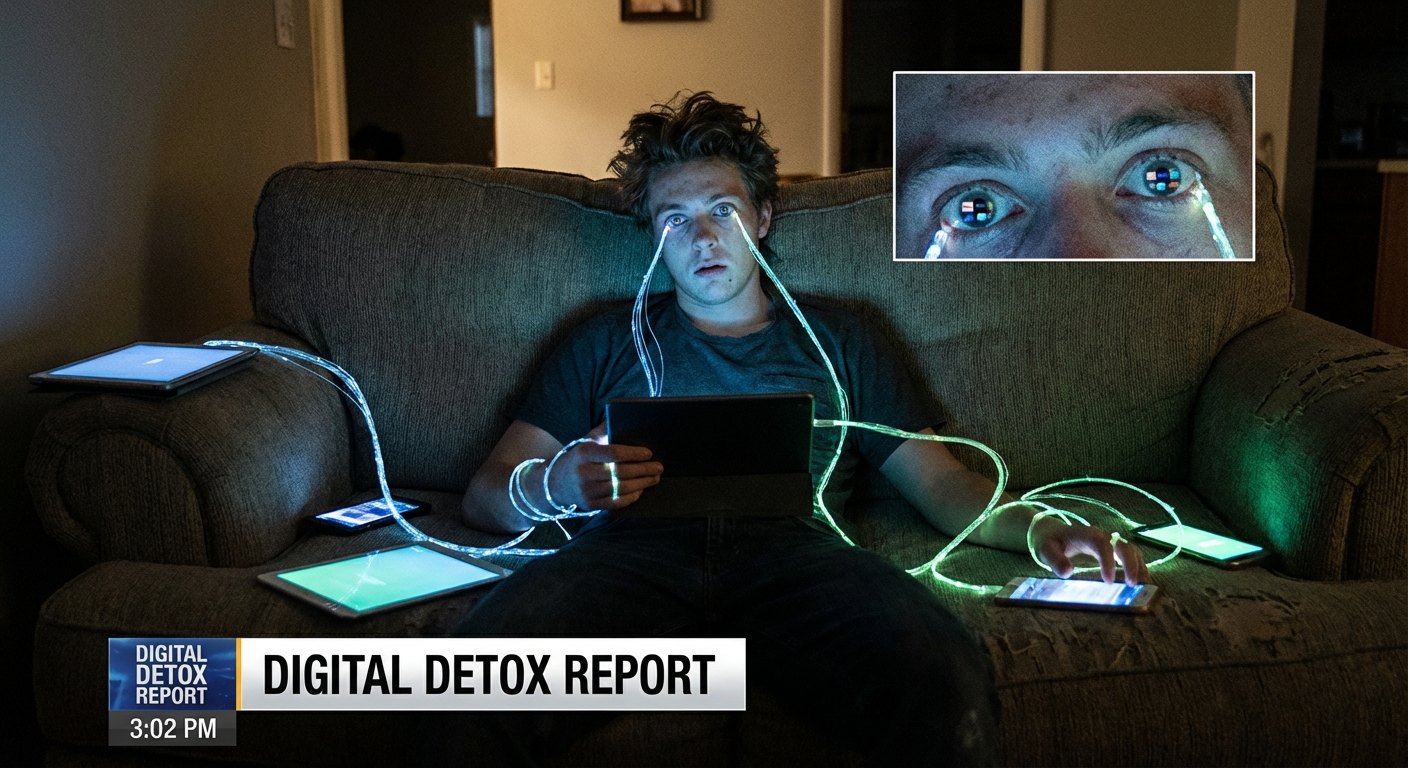
But there’s a flip side: if comfort TV becomes your only coping mechanism, it can slide from soothing to numbing. I learned this the hard way during a rough patch when I blew through The Office from start to finish in record time… and then realized I hadn’t answered texts or opened my curtains in three days. Oops.
The Art of Background TV: When Noise Becomes a Creative Tool
Some shows I “watch.” Others I… let happen to me.
When I’m writing or editing, I’ve discovered I can only handle specific types of background TV:
- Dialogue-heavy but not plot-heavy (New Girl)
- Reality competition where I don’t care deeply who wins (Is It Cake?)
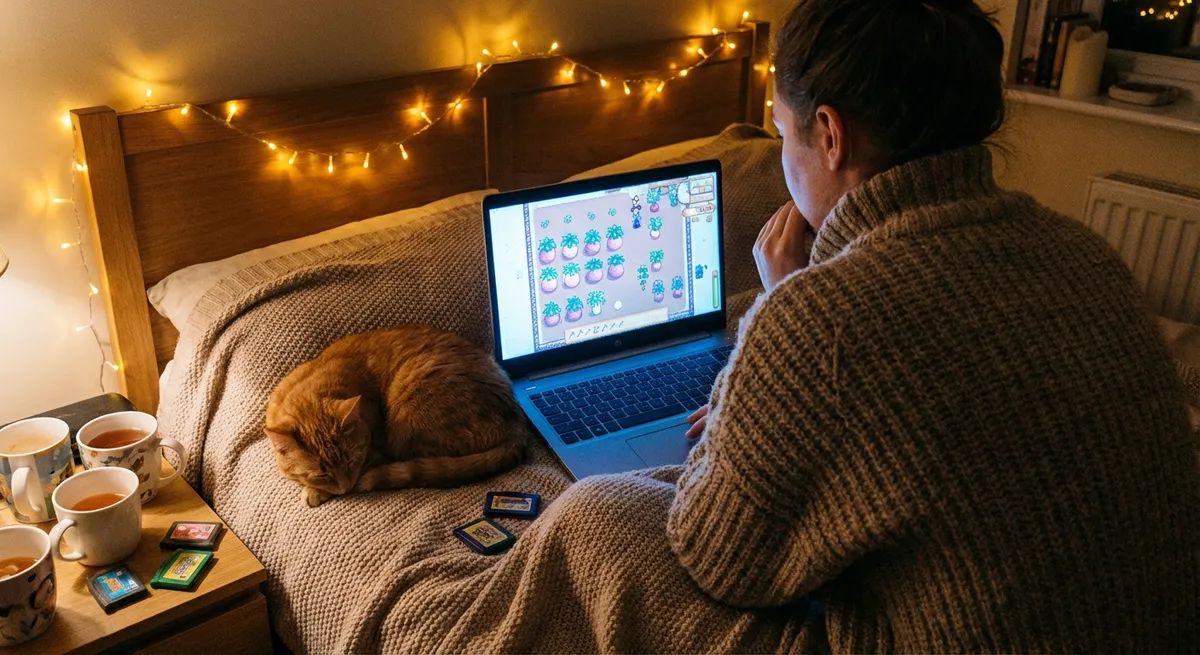
- Slow, relaxing visuals (Chef’s Table, cottagecore YouTube vlogs)
This isn’t random. Media researchers have found that “second-screening” (watching while doing something else) works best with content that doesn’t demand full attention. That’s why high-stakes thrillers make terrible background noise—you either miss everything or spiral into anxiety.
I once tried to have Stranger Things on in the background while answering emails. Terrible plan. I ended up staring at the Demogorgon, typing one email in 45 minutes, and feeling like the world was ending. Now I reserve intense stuff for when I can actually sit down and focus.
Background TV can weirdly help with:
- Loneliness – It simulates human presence, like having roommates who never ask to borrow your charger.
- Task aversion – Pairing a boring chore with a favorite show makes it easier to start. I only fold laundry if Lorelai Gilmore is talking in the background.
- Creative flow – Gentle, familiar noise can nudge you into a rhythm. It’s like lo-fi beats, but with more awkward jokes.
That said, when I notice I can’t do anything without the TV on, it’s usually a sign I’m avoiding my own thoughts more than I’m enjoying the content.
How Streaming Platforms Quietly Feed Our Comfort Habits
I recently realized Netflix knows my comfort shows better than some of my friends. The “Because you watched…” row? Yeah, that’s basically my personality laid out in thumbnails.
Streaming platforms use recommendation algorithms that look at:
- How long you watch
- What you rewatch
- What you finish vs. what you abandon
- What similar users also enjoy
When I rewatched Schitt’s Creek three times, Netflix didn’t judge—it just started serving me every wholesome Canadian sitcom in existence. That’s algorithmic empathy… or surveillance, depending on your mood.
There’s a business reason for the comfort content push. Nostalgic or low-stress shows:
- Keep people subscribed longer
- Encourage rewatching (which costs platforms less than constantly producing new hits)
- Make “background play” more likely, boosting watch-time metrics
This is why platforms fight so hard for licensing deals on older hits like The Office or Friends. When NBC moved The Office from Netflix to Peacock in 2021, it wasn’t just a sentimental decision—it was a strategic move to drag millions of comfort-watchers to a new platform.
From a viewer perspective, that can be both great and slightly manipulative. On one hand, we get endless cozy content. On the other, the algorithm can trap us in a feel-good bubble where we barely see anything new or challenging.
I’ve started using a rule with myself: for every comfort rewatch, I try at least one new show or movie. Sometimes it flops. Sometimes I discover something incredible like Reservation Dogs or a tiny British comedy I never would’ve clicked otherwise.
When Comfort TV Helps… and When It Quietly Backfires
Comfort TV can absolutely be part of a healthy mental routine. For me, it’s been a lifesaver during:
- Post-breakup weekends when silence felt too loud
- Sick days where my brain was mush
- Late-night anxiety spirals when I just needed soft, familiar noise
Research on media and mood regulation suggests that “selective exposure”—choosing what we watch to match or shift our emotional state—can be an effective coping strategy. The key word is “selective,” not “mindless.”
Here’s where it gets tricky. In my experience, comfort TV backfires when:
- I’m using it to avoid hard conversations or decisions
- I feel worse after binging—more drained, more empty
- I start using phrases like “just one more episode” and it’s 3:47 a.m.
There’s also the subtle risk of “emotional outsourcing.” If we only let ourselves feel safe and calm when a specific show is on, we can kind of train our brains to depend on that external trigger. That doesn’t mean ditch your favorite show; it just means build multiple ways to self-soothe—walks, music, journaling, calling someone, even just sitting with the discomfort for a bit.
The sweet spot, at least for me, is this:
- I choose comfort TV; I’m not pulled into it by default.
- I can pause mid-episode if something more important comes up.
- I notice how I feel afterward—and adjust if my go-to show is starting to feel more numbing than nourishing.
How to Build Your Own “Comfort Watch” Ritual That Actually Supports You
I accidentally turned my comfort viewing into a ritual, and it made a huge difference.
Here’s what it looks like now:
- I reserve certain shows for certain moods.
Anxious? Light sitcom. Sad? Nostalgic teen drama. Socially exhausted? Slow cooking or travel shows.
- I make it sensory.
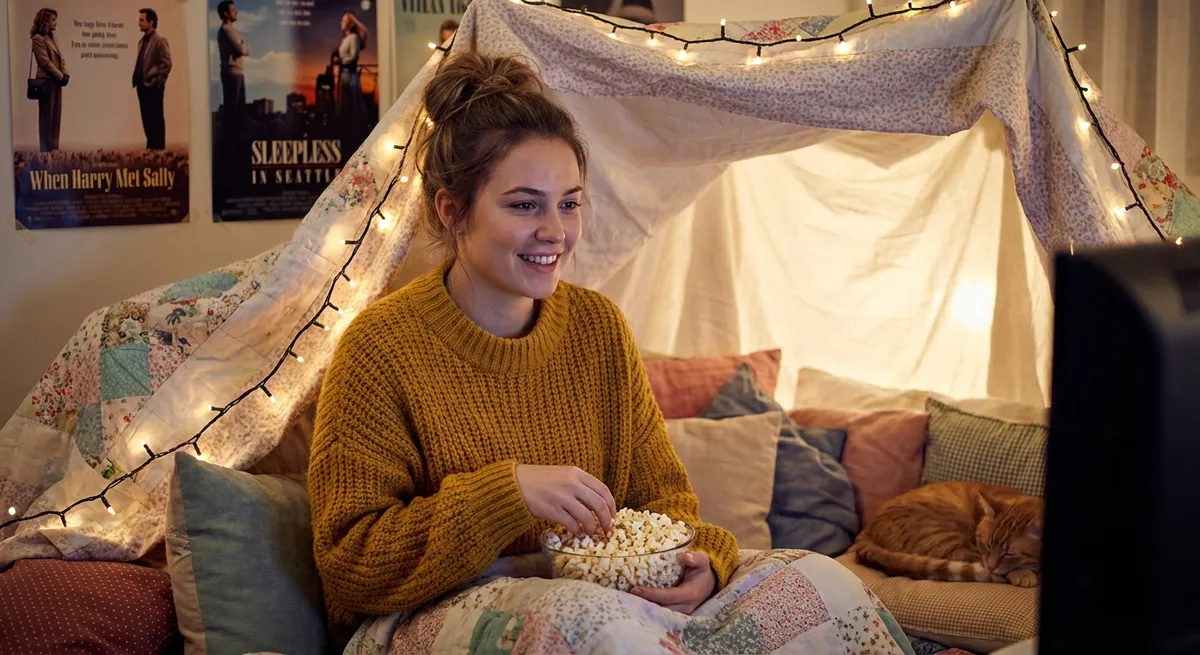
I’ll grab a blanket, dim the lights, maybe light a candle. It turns “scroll and stare” into an actual reset moment.
- I set an exit ramp.
I pick a natural stopping point: one episode, a baking challenge, the end of the movie. If I blow past it, I ask myself why I’m still watching.
- I allow myself full attention sometimes.
Not everything has to be background noise. Watching something with my phone in another room feels weirdly luxurious and actually more restorative.
- I share it.
Live-texting a friend during a trashy dating show? Elite bonding. Comfort TV becomes community TV.
When I treat comfort content as a tool instead of a default, it stops feeling like “guilty pleasure” and starts feeling like legitimate, intentional downtime.
Conclusion
I don’t think comfort TV is a cultural “problem” we need to fix. I think it’s a symptom—and sometimes a solution. We’re tired, overstimulated, and carrying more mental tabs than a 47-window browser. Of course we’re flocking to soft, predictable stories where people mostly just… figure it out.
The trick isn’t to give up your comfort shows; it’s to use them consciously. Notice which ones genuinely leave you feeling warmer, calmer, and maybe even a little more hopeful—and which ones just help you disappear for a while.
I still rewatch my favorites. I still fall asleep to the same opening theme songs I’ve heard a hundred times. But now, when Netflix asks, “Are you still watching?” I pause for a second and decide, instead of letting the question answer itself.
And honestly? That tiny moment of choice feels like the real plot twist.
Sources
- American Psychological Association – “Why we form relationships with TV characters and fictional heroes” – Explains parasocial relationships and how fictional characters can provide emotional support
- Nielsen – “The Gauge: Nielsen’s Total TV and Streaming Snapshot” – Industry data on how people are watching, including time spent on streaming and older content
- BBC Future – “Why we love to rewatch our favourite TV shows” – Overview of the psychology behind rewatching and comfort viewing
- University of Southampton – Research on nostalgia and well-being – Summarizes studies showing how nostalgia can boost mood and social connectedness
- Pew Research Center – “Streaming and the Changing TV Landscape” – Context on streaming habits and how platforms shape viewing behavior