How “Cozy Games” Quietly Took Over My Screen Time
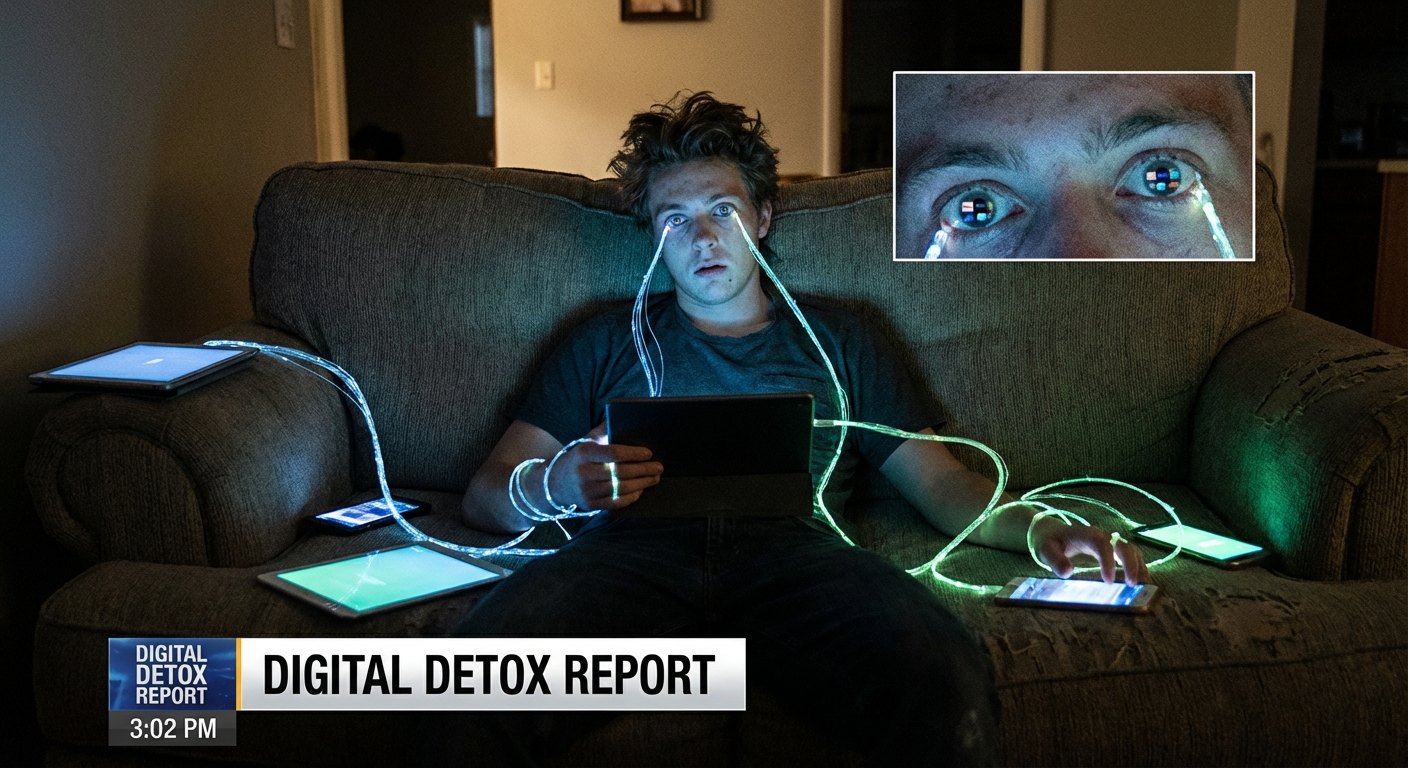
I used to think gaming meant boss fights, sweaty lobbies, and 12-year-olds yelling through headsets. Then one night, doomscrolling on my couch, I stumbled into a Twitch streamer meticulously decorating a virtual cottage in the woods… for three hours. No drama. No explosions. Just cozy vibes, soft music, and a chat full of people decompressing from the day.
I didn’t realize it then, but I’d just fallen into the world of cozy games—and they’ve quietly taken over my screen time, my group chats, and honestly, how I unwind after a long day. If your brain has been feeling like 87 tabs are open at once, this corner of arts & entertainment might be exactly the soft reset button you didn’t know you needed.
How I Accidentally Joined the Cozy Gaming Cult
I recently discovered my cozy-gaming era started way before I had a name for it. When I was a kid, I’d replay The Sims just to build houses and give everyone ridiculous outfits. No goals. No speedruns. Just vibes.
Fast forward to last year: my burnout was burning out. My usual games—fast-paced shooters, sprawling RPGs—felt like homework. I wanted something that didn’t punish me for pausing to answer a text or scrolling TikTok mid-level.
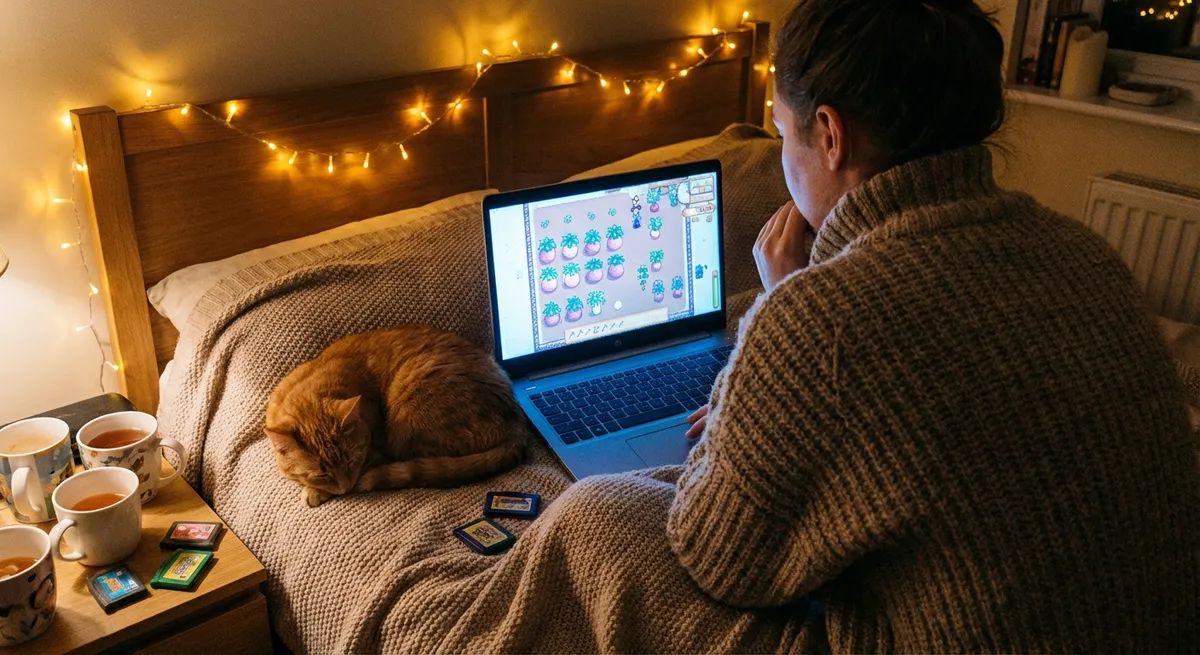
A friend texted me: “You have to try Stardew Valley. It’s like digital therapy.” I rolled my eyes… and then I played it for six hours straight. I was watering pixelated parsnips, talking to the same three villagers, and rearranging furniture in my tiny farmhouse like my life depended on it.
The wild part? I felt calm. Not “scrolling numbly” calm—like, my nervous system just exhaled calm.
That’s the heart of cozy gaming: low-stress, high-comfort experiences where the goal isn’t “win fast” but “exist gently.” No fail screens screaming at you, no timers counting down your life, just slow progress and soothing feedback loops.
What Actually Makes a Game “Cozy”?
When I tested a whole bunch of titles that people kept calling “cozy,” I noticed they shared a weirdly specific set of ingredients. It’s not just “cute graphics” or “no guns.” It’s more like a vibe recipe.
1. Gentle stakes, real progressIn Animal Crossing: New Horizons, if you ignore your island for a week, nothing truly bad happens. Your villagers might drag you a bit (“Where have you been?”), there might be a few weeds, but your world is intact. Same with Stardew Valley: you can miss a season’s crop and still be fine next year.
In my experience, the magic is that progress is slow but visible. Your house gets a little nicer. Your farm grows. Your wardrobe evolves. The game constantly whispers, “Hey, you did something,” without screaming, “You didn’t do enough.”
2. Soft aesthetics, strong identityThese games lean hard into visual and audio comfort: pastel color palettes, gentle lighting, lo-fi or acoustic soundtracks, cozy diegetic sounds like rain on a roof or footsteps on wood floors.
When I started playing Spiritfarer, I noticed how often I just… stopped to watch the sunset from my moving boat. The animators clearly knew players would want tiny moments of stillness. It’s art direction built not just for “wow,” but for “ahhhh.”
3. Relationship > competitionEven when there are numbers to optimize (farming yields, crafting recipes, museum collections), the emotional core is often relationships and routine. You remember the birthday of your favorite villager. You check your in-game mail. You feed your cows.
There’s a reason cozy games overlap heavily with parasocial comfort: they simulate a small, manageable world where people remember you, appreciate small gestures, and rarely judge you harshly.
4. Flexible play stylesWhen I tested Disney Dreamlight Valley, I realized I could be three different players depending on my mood: beauty designer, quest grinder, or cozy decorator. That flexibility is huge for people who don’t always have 2+ hours to commit.
You can play for 15 minutes before bed and still feel like you “did something,” which hits totally different than rage-quitting a Ranked match at midnight.
Why Our Brains Are Low-Key Obsessed With Cozy Games
I wanted to know if I was just projecting my own burnout onto this genre, so I went down a research rabbit hole—and it turns out, there’s actual science behind why these games feel so good.
Psychologist Dr. Kelli Dunlap, who studies games and mental health, has talked about how low-pressure games create a sense of competence and control without the anxiety spike that comes with high-stakes environments. That tracks with self-determination theory, which basically says humans really like feeling:
- Competent (I can do the thing)
- Autonomous (I choose the thing)
- Connected (I share the thing with others)
Cozy games quietly check all three boxes. You build skills at your pace, decide what to work on, and—even if you’re playing solo—you belong to a wider fandom that “gets” your obsession with redesigning a virtual kitchen for the tenth time.
I also found a 2021 study in JMIR Serious Games where researchers suggested that casual, relaxing games can help reduce stress and improve mood, especially when people use them intentionally as a wind-down tool rather than an all-day escape. I’ve felt that hard. When I swap evening doomscrolling for 30 minutes of gardening in Stardew, I actually sleep better and feel less wired.
But there’s a flip side: some therapists warn about using only cozy games as emotional bubble wrap. If you’re avoiding every real-life stressor—emails, hard talks, work decisions—by disappearing into your digital cottage, the calm starts to feel a bit like avoidance dressed up in cottagecore.
The Best Cozy Games I’ve Tried (And What They’re Really Like)
Here’s how some of the heavy hitters actually felt when I put serious hours into them—both the soothing parts and the “okay, this is low-key stressful” bits.
Stardew Valley
How it felt: Like moving to a small town where everyone gossips but also gives you cake.I started for the farming and stayed for the weirdly deep character arcs. On the surface, it’s just crops, chickens, and town festivals. Underneath, it gently explores burnout, loneliness, capitalism, even alcoholism.
Pros from my playthrough:- No real punishment for taking things slow
- Deep sense of routine and “home”
- Tons of mods if you’re on PC and want to customize
- Your daily to-do list can spiral into “fake productivity” stress
- Time passes fast in-game, which made me feel rushed some days
- There’s a subtle pressure to min-max if you watch a lot of guides
Animal Crossing: New Horizons
How it felt: Like a never-ending DIY project that your perfectionist brain both loves and hates.When I tested this, it was peak lockdown. Everyone’s islands were on Instagram, and I felt actual peer pressure over my digital landscaping skills. But once I stopped treating it like a design competition, it was pure serotonin.
Pros:- Extremely chill pace; you literally can’t “beat” it quickly
- Accessible even if you’ve never touched a game before
- The museum is one of the most unexpectedly soothing spaces I’ve seen in gaming
- Real-time clock means FOMO if you miss seasonal events
- Can feel grindy if you’re chasing rare items or villagers
- If you’re prone to perfectionism, the decorating can eat your life
Spiritfarer
How it felt: Like being emotionally wrecked in the gentlest, kindest way possible.You play as Stella, a “Spiritfarer” helping souls move on. You cook for them, build them homes on your boat, learn their stories… and eventually say goodbye. I cried multiple times, in the best, cathartic way.
Pros:- Beautiful hand-drawn art and a haunting soundtrack
- A rare game that talks about death with warmth and never feels exploitative
- Simple mechanics, rich emotional payoff
- If you’re grieving, some storylines might hit very hard
- The pacing can feel slow if you’re more goal-oriented
- Not everyone wants to sob during their “cozy” time, which is valid
Cozy Games vs. “Self-Care Aesthetic” Burnout
When I talked to friends about their cozy game habits, a pattern jumped out: a lot of us drifted to this genre when traditional “self-care” stopped working.
Bath bombs, face masks, candles—they’re great, but they’re also… passive. You sit there and hope your brain goes quiet. Cozy games add a layer of gentle agency. You’re not just lying in a tub; you’re tending something. A plant. A cat café. A neighborhood. A fictional life that doesn’t ask more than you can give.
That said, I’ve watched the cozy aesthetic get swallowed by capitalism too. Limited-run merch drops, $70 special editions, microtransactions for cute furniture sets—it can turn a soft experience into a financial stressor.
When I tested a few mobile “cozy” titles, some were straight-up predatory: adorable art style on the surface, aggressive timers and paywalls underneath. If a game is constantly nagging you to buy energy, it’s not relaxing; it’s a slot machine in a sweater.
Here’s how I personally sanity-check a new cozy game now:
- Can I play for at least 20 minutes without hitting a paywall?
- Does the game respect my time, or am I being funneled into waiting/pay cycles?
- Do I feel better or more anxious after 2–3 sessions?
If the answer to the last one is “more anxious,” I uninstall, no matter how pastel the loading screen is.
How to Build Your Own Cozy Gaming Ritual
When I turned cozy games into an actual nightly ritual instead of a random time-sink, they became way more powerful for my mental health. Here’s the routine that’s stuck for me.
1. Set a “soft start” and “soft stop”I pick a window like 9:00–9:45 p.m. That gives me enough time to sink in without accidentally playing until 2 a.m. (has happened, will happen again, but we try).
I’ll usually end on a “done” moment—finishing a harvest, completing a small quest, arranging a room—so my brain feels a little closure instead of “just one more day.”
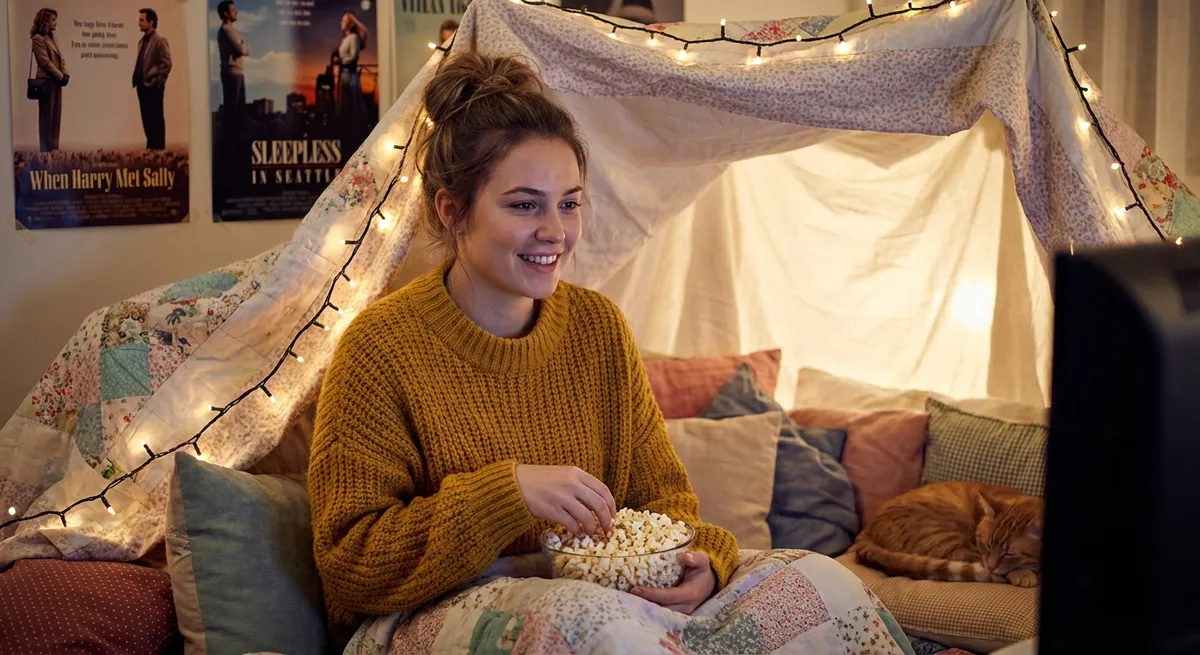
2. Pair it with sensory comfortCozy games hit different if your body is also in cozy mode. I’ll make tea, dim the lights, throw on warm socks. Sometimes I put on a low lo-fi playlist over the game audio if the music loops too much.
When I tested doing this versus just flopping on the couch with Netflix, the game nights left me feeling less buzzy and more grounded.
3. Decide your intention before you open the gameIt sounds extra, but mentally labeling my session helps: “Tonight I’m just decorating,” or “Tonight I’m only fishing and exploring.” It keeps me from spiraling into completionist mode when I’m actually just trying to chill.
4. Mix cozy with connection (if you want)One of my favorite discoveries was “cozy co-op”: a friend and I both hop into our own games on Discord, share screens, and just… hang out. We talk about nothing in particular while watering virtual plants. It’s like parallel play for adults.
For anyone who finds socializing draining, this light, low-effort connection is weirdly healing.
The Limits of Cozy: When It Stops Helping
I’d be lying if I said cozy games were pure magic with zero downsides. There were weeks I used them to avoid hard conversations, ignored emails, and let my real laundry pile up while I managed my virtual one.
If you notice these patterns, your “comfort play” might be leaning into avoidance:
- You feel guilty every time you close the game
- Your real-life to-do list keeps getting longer while your in-game one shrinks
- You’re more irritable when anything interrupts your playtime
For me, the rule that helps is simple: if a game is helping me reset, great. If it’s helping me hide, I need to pull back and rebalance.
Sometimes that means swapping a game night for journaling, an actual walk, or texting a friend I’ve been ghosting. The games are still there when I get back—my villagers might complain, but they always forgive me.
Why This Tiny Genre Feels Like a Big Cultural Shift
When I zoom out, cozy games feel like a quiet rebellion against the “grind everything” mentality that’s infected work, social media, even hobbies. Not every activity has to make us sharper, richer, or more optimized. Some things can just be… kind.
We’re seeing that reflected across entertainment: gentle TV like Great British Bake Off, slice-of-life anime, slow cinema, ambient playlists. Cozy games are the interactive version of that same craving: art that gives us space instead of taking it.
For me, they’ve become less of a guilty pleasure and more of a tiny, playable boundary: a way to say, “For the next 40 minutes, nobody needs anything from me. I’m just a pixel person in a pixel town, and that’s enough.”
And honestly? That’s a plot twist I did not see coming from a game about turnips.
Sources
- American Psychological Association – The Benefits of Playing Video Games – Overview of research on how video games can support cognitive, emotional, and social benefits
- JMIR Serious Games – Video Games and Their Association With Mental Health – Research discussing how different types of games relate to stress, mood, and well-being
- BBC Culture – Why “Cozy Games” Are Booming – Explores the rise of cozy gaming and its cultural impact
- Nintendo – Animal Crossing: New Horizons Official Site – Official game information, features, and mechanics overview
- ConcernedApe – Stardew Valley Official Site – Developer site with details on gameplay, updates, and design philosophy behind Stardew Valley