I Tried Fixing My Sleep Instead of My Coffee Habit—Here’s What Actually Changed
I used to wear my exhaustion like a weird badge of honor. Four hours of sleep, three coffees, endless scrolling before bed… and then I’d wonder why I felt like a zombie with Wi‑Fi.
A few months ago I decided to flip the script: instead of hacking my productivity, I’d “hack” my sleep. And not with sketchy pills or another blue-light-blocking gimmick, but by actually learning how sleep works and then testing things on myself.
What happened surprised me way more than I expected—my mood, appetite, and even random aches changed. This is the story of how I did it, what the science says, and what’s honestly overhyped.
Why My “I’ll Sleep When I’m Dead” Era Had to End
The wake-up call started with one very unflattering realization: I couldn’t remember the last time I woke up without an alarm and felt genuinely rested.
Most nights looked like this:
- I’d get into bed on time… but then scroll for 45 minutes.
- Tell myself “one more episode” of a show I’d already half watched.
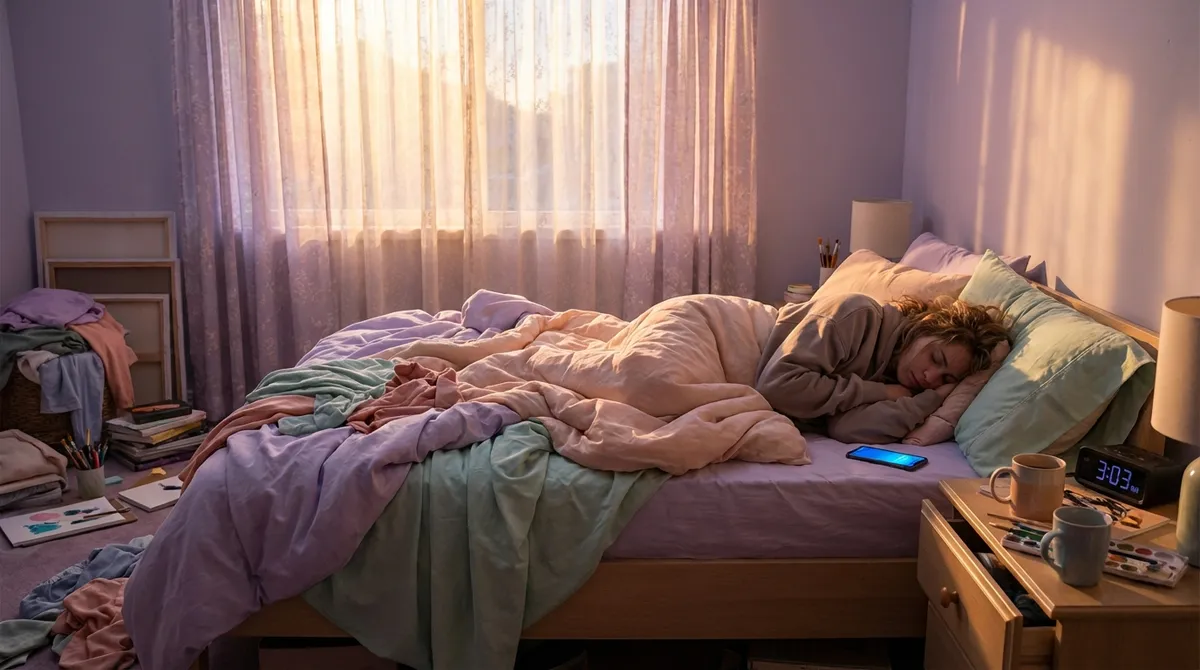
- Wake up at 3:17 a.m. for absolutely no reason.
- Drag myself out of bed feeling wired and tired at the same time.
When I dug into the research, something clicked. Chronic sleep restriction isn’t just “being a little tired.” It’s linked with higher risk of obesity, depression, high blood pressure, and type 2 diabetes. The Centers for Disease Control and Prevention straight-up calls insufficient sleep a public health problem and recommends at least 7 hours a night for adults.
When I tested my own average with a sleep tracking app (and, honestly, my calendar), I was hovering around 5.5 to 6 hours. And that wasn’t even quality sleep—lots of waking up, weird dreams, and some nights where I just laid there rehearsing imaginary arguments.
So I decided to treat sleep like a health pillar, not an optional luxury.
What I Learned About My Sleep Cycle (That No One Mentioned on TikTok)
I’d heard the term “REM” tossed around like it was the only sleep stage that mattered, but I never really understood the full picture until I went down a very nerdy rabbit hole.
Here’s the simple version of what I pieced together—and then watched play out in my own body:
Sleep runs in repeating cycles, roughly 90 minutes each, moving through four stages:
- N1 (light sleep) – That drowsy, in-and-out phase where you can still hear stuff.
- N2 (deeper light sleep) – Brain activity slows; this actually makes up the largest chunk of the night.
- N3 (deep slow‑wave sleep) – This is the heavy, restorative sleep. Your body repairs tissue, releases growth hormone, and strengthens your immune system.
- REM (rapid eye movement) – Where most vivid dreaming happens and the brain processes memories, emotions, and learning.
Research from places like the National Institutes of Health and Harvard Medical School explains that both deep sleep (N3) and REM are non-negotiable. Deep sleep is your physical reset button; REM is your emotional and cognitive reset.
When I started tracking my nights, I noticed patterns:
- Nights when I ate junk and stayed on my phone late: less deep sleep, more fragmented REM.
- Nights when I went to bed and woke up at consistent times: my REM shifted later into the night the way it’s supposed to.
- Nights with alcohol (even just a glass of wine): I fell asleep quickly but had choppy REM and woke up feeling oddly anxious.
Once I saw these cycles on a graph, it stopped feeling like “sleep is mysterious” and more like “oh, this is a real system my habits are trashing.”
The Three Changes That Actually Moved the Needle for Me
I tried a lot. Some stuff helped a ton. Some things were pure placebo. Here are the three shifts that made the most real-world difference for me.
1. Locking In a Boring Bedtime (That My Brain Eventually Loved)
I always thought I was a “night owl,” but the science on circadian rhythms made me question that. Our internal clocks are heavily influenced by light exposure, especially morning light.
So I experimented with:
- Picking a non-negotiable wake time first (for me, 7:00 a.m. on weekdays and weekends).
- Backing my target bedtime up to allow a solid 8 hours in bed.
- Getting 15–20 minutes of outdoor light within the first hour of waking, even on cloudy days.
The first week felt rough, especially on days I’d normally sleep in “to catch up.” But after about 10–14 days, I noticed:
- I started getting sleepy naturally at almost the same time every night.
- Falling asleep went from 40–60 minutes of mind racing to about 10–15 minutes.
- My middle-of-the-night wake-ups decreased.
Studies from circadian biology research back this up: consistent wake times and morning light strengthen your body clock, improving sleep quality and daytime alertness.
Downside: social life occasionally suffers. There were nights I wanted to stay up way later, and I did, but my body made me pay the next day. So I treat late nights like I treat spicy food: allowed, but I know what I’m signing up for.2. Fixing My “Revenge Bedtime Procrastination” Habit
I used to stay up just to feel like I owned a piece of my day, even if that “ownership” was doomscrolling and half-watching random videos. I didn’t want to admit it, but it was a form of revenge bedtime procrastination.
When I tested a different approach—actually giving myself decompression time on purpose—things shifted.
Here’s what worked for me:
- I set a “screens down” alarm 45 minutes before my target bedtime. Not every night is perfect, but having a signal helps.
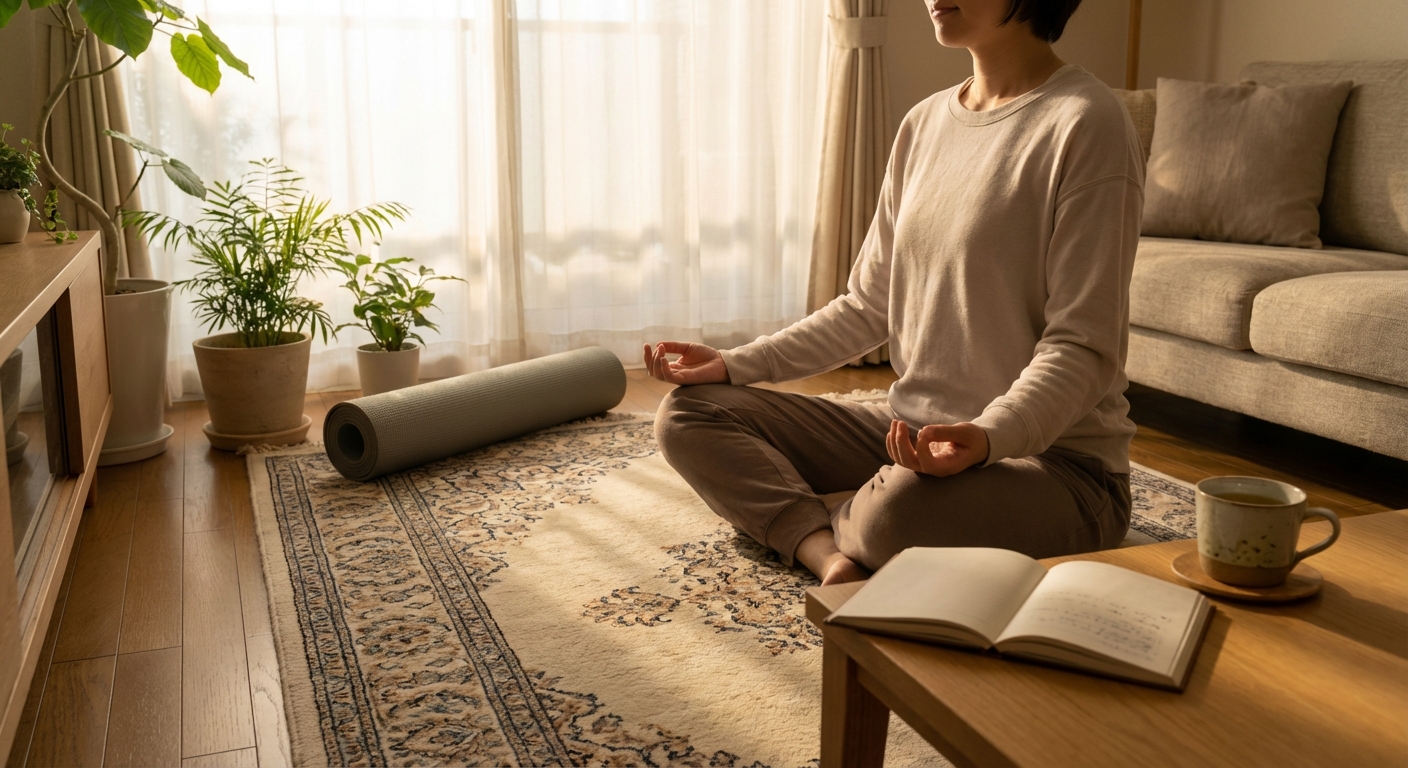
- I swapped out social media for anything non-stimulating: reading a physical book, stretching, or journaling out the mental noise.
- I started a weird but effective rule: no heavy life decisions after 10 p.m. My brain just isn’t reliable that late.
There’s good science under this: blue light from screens can suppress melatonin, the hormone that helps you feel sleepy. But it’s not just the light—it’s the emotional stimulation. That “just one more video” scroll spikes your brain with novelty and dopamine.
On nights I stuck to my wind-down plan:
- I fell asleep faster.
- I woke up less tense, like my brain had actually powered down properly.
- My dreams were less chaotic (no idea if there’s solid science on that, but it was very noticeable).
3. Cleaning Up My Caffeine and “Late-Night Snack Monster” Routine
This was the part I resisted the most. I love coffee. I considered “coffee is my personality” mugs a core part of my identity. But there’s a decent body of research showing caffeine can disrupt sleep even 6 hours before bedtime.
So, I treated this like an experiment, not a permanent life sentence.
What I tested:- Cutting off caffeine 8 hours before my target bedtime. For me, that meant last coffee around 1–2 p.m.
- Swapping my late-night sweet snacks for something lighter or just herbal tea.
- Paying attention to spicy or heavy meals after 8 p.m., which seemed to trigger more middle-of-the-night awakenings.
What I noticed:
- My deep sleep percentages (according to my tracker) went up on days I softened the caffeine and late-night eating.
- I had fewer nights where I woke up with my heart pounding for no reason at 3 a.m.
- My energy curve during the day was smoother instead of the classic mid-afternoon crash.
Do I still have late-night pizza sometimes? Of course. But I now clearly see the trade-off: delicious, chaotic joy vs a slightly groggy next morning. Sometimes the pizza wins. At least now it’s an informed decision.
What Didn’t Really Work for Me (Or Was Just Overhyped)
I also tried a bunch of trendy sleep “hacks” that were supposed to change everything. Some were fine; some were meh.
- Melatonin gummies: When I tested these, they helped a bit with falling asleep on nights my schedule was off (like after travel), but left me groggy the next day at higher doses. From the research I read, melatonin is more of a clock-setter than a sedative. It’s not a magic knockout pill, and for regular use, I’m cautious.
- Blue-light blocking glasses: I tried them for a few weeks. Personally, I noticed more benefit from reducing what I was doing on my phone at night than from the glasses themselves. The science is mixed: they can help somewhat with light exposure, but they don’t fix the “my brain is overstimulated” problem.
- Supplements with fancy branding: I tested a magnesium blend. On nights I was already doing other healthy behaviors, it maybe helped me feel a bit more relaxed, but it wasn’t a game changer. And some blends are expensive for what they are. I’m more convinced by building a routine than buying another powder.
I’m not saying these things don’t work for anyone. They just weren’t the star of the show for me. My biggest improvements came from boring fundamentals: timing, light, caffeine, and stress.
Sleep and Mental Health: The Feedback Loop I Didn’t See Coming
One of the most shocking changes for me wasn’t physical—it was emotional.
On weeks when I slept at least 7–8 hours consistently, I noticed:
- My anxiety spikes were less intense.
- I had more patience during stressful conversations.
- Tasks that felt overwhelming suddenly seemed… manageable.
There’s a solid scientific reason behind this. Studies using brain imaging have shown that sleep deprivation ramps up activity in the amygdala (the brain’s alarm center) and reduces connectivity with the prefrontal cortex (the calmer, rational part). Basically: less sleep, more emotional chaos.
I felt this directly. Arguments that would’ve spiraled in my head for hours suddenly bounced off more easily when I was rested. Little annoyances stayed little. That alone made better sleep feel like a form of emotional armor.
But there’s a flip side: mental health issues like anxiety, depression, and PTSD can make sleep way harder. If you’re stuck in that loop, no amount of lavender spray is going to fix it. Some people genuinely need therapy, medical support, or treatment for sleep disorders like insomnia or sleep apnea.I’m not a doctor, and if your sleep problems are intense, long-lasting, or affecting your safety (like dozing off while driving), it’s time to involve a professional, not just a new bedtime playlist.
Where I’m At Now—and What I’d Tell a Friend
My sleep isn’t “perfect,” and I don’t think it ever will be. I still have chaotic nights here and there, random stress dreams, and evenings where I binge a show longer than I meant to.
But I can say this, honestly: I feel like a different person on the weeks I protect my sleep.
- My energy feels earned, not borrowed.
- I’m less reliant on caffeine explosions.
- My mood is more stable, and my brain feels sharper.
If you’re curious where to start, here’s what I’d share with a friend over coffee (before 2 p.m., obviously):
- Pick one thing to test for the next 7–10 days. Not five. One. For example: a consistent wake time or a 30-minute wind-down with no doomscrolling.
- Treat it like an experiment, not a judgment of your worth. Track a few basics: time you went to bed, how long you think you slept, and how you felt in the morning (1–10).
- If your sleep problems are severe—snoring loudly, gasping, chronic insomnia, or you can’t stay awake during the day—loop in your doctor. Conditions like sleep apnea and chronic insomnia are real medical issues, not personality quirks.
The wildest part for me? Fixing my sleep didn’t just make me “less tired.” It quietly upgraded almost every other health goal I had—better workouts, fewer cravings, more focus.
I went in thinking I’d be giving something up by going to bed earlier. But what I really gave up was walking around feeling half-human all the time. That trade was absolutely worth it.
Sources
- Centers for Disease Control and Prevention – Sleep and Sleep Disorders – Overview of recommended sleep duration, health impacts of insufficient sleep, and public health data
- National Institutes of Health – Brain Basics: Understanding Sleep – Explains sleep stages, sleep cycles, and how sleep affects brain and body
- Harvard Medical School – Sleep and Mental Health – Details the relationship between sleep, mood, anxiety, and depression with references to clinical research
- National Heart, Lung, and Blood Institute – Why Is Sleep Important? – Breaks down the effects of sleep on cardiovascular health, metabolism, and overall well-being
- American Academy of Sleep Medicine – Healthy Sleep Habits – Practical, evidence-based recommendations for improving sleep hygiene and when to seek medical help