
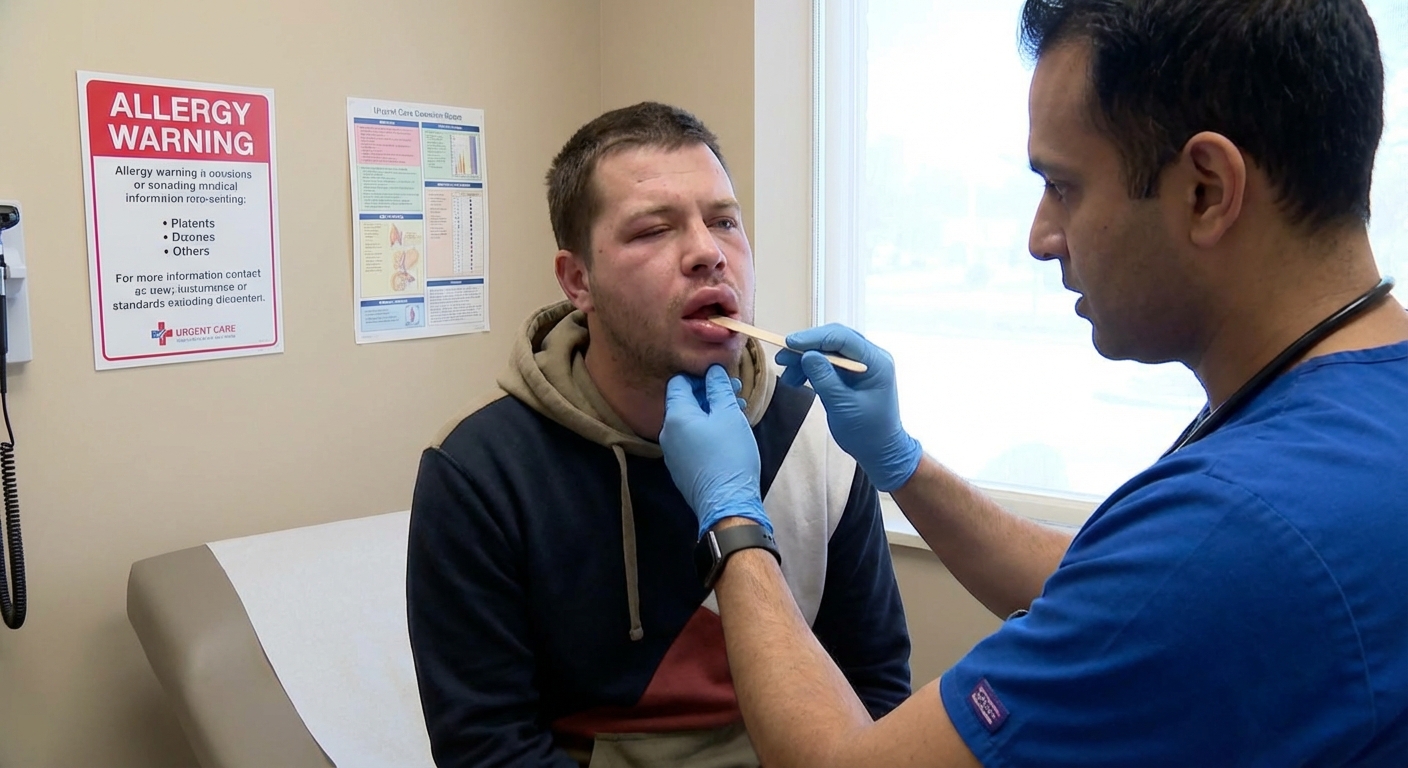
Understanding Angioedema: Causes, Symptoms, Management
If your lips suddenly swell up like a cartoon character’s, your eyelids puff shut, or your hands look like boxing gloves for no obvious reason… that might not just be an “allergic reaction.” It could be angioedema — a condition that looks dramatic, feels terrifying, and absolutely deserves more attention.
This guide breaks down what angioedema is, what causes it, how to recognize the warning signs, and what you can do about it — in plain, shareable language.
What Is Angioedema, Really?
Angioedema is deep swelling under the skin or mucous membranes, usually affecting:
- Lips
- Eyelids
- Tongue
- Face
- Hands and feet
- Genitals
- Throat
Unlike hives (which are red, raised, itchy patches on the surface of the skin), angioedema happens deeper in the tissue, and often looks like sudden, uneven puffiness or distortion.
Think of it this way:
- Hives = surface level swelling
- Angioedema = below-the-surface swelling
You can absolutely have both at the same time — and many people do.
The 4 Big Types of Angioedema
Not all angioedema is the same. Understanding the type matters, because the best treatment can be totally different.
1. Allergic (Histamine-Mediated) Angioedema
This is the type most people think of. It’s triggered by an allergy, often along with hives.
Common triggers:
- Foods (nuts, shellfish, eggs, milk, wheat, etc.)
- Medications (antibiotics like penicillin, NSAIDs like ibuprofen)
- Insect stings (bees, wasps)
- Latex
It usually comes on fast and can be part of a life-threatening allergic reaction (anaphylaxis).
2. Drug-Induced (Especially ACE Inhibitors)
Some blood pressure medications, especially ACE inhibitors (like lisinopril, enalapril, ramipril), can trigger angioedema even after months or years of use.
This type:
- May occur without hives
- Often affects lips, tongue, and face
- Can be serious if it involves the airway
3. Hereditary Angioedema (HAE)
This is a rare genetic condition where a missing or malfunctioning protein (C1 esterase inhibitor) leads to uncontrolled swelling.
Key clues:
- Recurrent swelling attacks without hives
- Often starts in childhood or teenage years
- Can involve the gut, causing severe abdominal pain
- Usually runs in families
4. Idiopathic (Unknown Cause)
Sometimes, despite tests and detective work, doctors never find a clear cause. This is called idiopathic angioedema. It can still be managed — even if the mystery isn’t fully solved.
Symptoms You Should Never Ignore
Angioedema symptoms range from annoying to life-threatening. Common signs include:
- Sudden swelling of lips, face, eyelids, tongue, or throat
- Swelling of hands, feet, or genitals
- Skin that looks stretched, tight, or shiny
- Mild pain or burning (sometimes itch, but often not)
- Trouble breathing or swallowing
- Noisy breathing or a feeling of throat “closing”
- Hoarseness or difficulty speaking
- Dizziness, faintness, rapid heartbeat (could mean anaphylaxis)
If breathing, voice, or swallowing are affected — go to the ER immediately or call emergency services. This is not the time to “wait and see.”
5 Amazing (and Alarming) Angioedema Facts That Everyone Should Know
1. Your Blood Pressure Pill Could Be the Surprise Villain
Fact: ACE inhibitor–induced angioedema can appear out of nowhere, even after years without problems.
People often blame food, makeup, or “something random,” not realizing their medication is the hidden trigger. If you’re on an ACE inhibitor and wake up with unexplained face or tongue swelling, that’s a red flag. Doctors often have to switch you to a different blood pressure medication permanently.
2. Some People Get “Invisible” Angioedema — Only in Their Gut
Hereditary angioedema can cause intense abdominal pain, nausea, vomiting, and diarrhea — with zero visible swelling on the outside. Many people end up in the ER, suspected of having appendicitis or gallstones.
Only later do they discover it was angioedema in the intestinal wall. This is one reason why HAE is often misdiagnosed for years.
3. Antihistamines Can Be Useless for Some Types
Most of us think: “Allergy? Pop an antihistamine.” But in bradykinin-mediated angioedema (like HAE or ACE inhibitor–induced), histamine isn’t the main problem.
That means:
- Antihistamines often don’t work
- Steroids may not help either
These cases need specialized treatments, not just standard allergy meds.
4. One Family Story Can Save Lives
Hereditary angioedema is genetic. If one person in a family is diagnosed — especially with recurrent unexplained swelling or abdominal pain — other relatives might have it too and not know.
Families who talk about their medical history can literally save each other from misdiagnosis and dangerous airway attacks.
5. Yes, Stress Can Make It Worse
Stress doesn’t usually cause angioedema from scratch, but it can trigger or intensify attacks, especially in hereditary or chronic cases. Many patients report more flares around exams, big deadlines, or emotional events.
This is why stress management isn’t just “nice to have” — for some, it’s part of their angioedema strategy.
How Is Angioedema Diagnosed?
Doctors usually start with:
- History: What were you doing? What did you eat? Any new meds? Any pattern?
- Physical exam: Where is the swelling? Are there hives?
- Medication review: Especially blood pressure and pain meds
- Family history: Any relatives with similar episodes or unexplained abdominal crises?
For recurrent or mysterious cases, they may order:
- Blood tests for C1 esterase inhibitor levels/function
- Complement levels (C4)
- Allergy testing (for suspected food/drug allergies)
Diagnosis can be a journey — especially for hereditary or idiopathic angioedema — but it’s crucial for choosing the right treatment.
Management: What to Do During an Attack
For Mild Swelling (No Breathing Issues)
- Stop suspected triggers (foods, medications) if known
- Your doctor may recommend:
- Antihistamines
- Steroids
- Cold compresses for comfort
Even if it seems mild, tell your doctor — especially if it’s the first time or you’re on an ACE inhibitor.
For Severe or Rapidly Worsening Swelling
If there is any sign of breathing or swallowing difficulty:
- Call emergency services immediately
- Use an epinephrine auto-injector if you have one (for allergic/anaphylactic reactions)
- Do not drive yourself if you’re struggling to breathe
In the ER, they may give:
- Epinephrine
- Oxygen
- IV antihistamines and steroids
- Airway support if needed
For known HAE or bradykinin-mediated cases, specific medications like C1 inhibitor concentrates, icatibant, or ecallantide may be used.
Long-Term Management & Prevention
Managing angioedema isn’t just about surviving attacks — it’s about reducing how often they happen.
1. Identify and Avoid Triggers
- Keep a symptom diary: what you ate, meds taken, activities, stress levels
- Note any consistent patterns
- Avoid known allergens or triggering medications
2. Medication Review
- Talk to your doctor about alternatives if you’re on:
- ACE inhibitors (for blood pressure)
- Certain NSAIDs (like ibuprofen or naproxen) that may worsen symptoms
3. Specialist Care
- Allergist/immunologist for allergic or idiopathic angioedema
- HAE specialist center for hereditary angioedema
They can:
- Prescribe emergency medications for home use
- Discuss prophylactic (preventive) treatment if attacks are frequent or severe
4. Emergency Action Plan
Work with your doctor to create a plan that covers:
- Early symptoms to watch for
- When to use medications
- When to go straight to the ER
- Whether family members should be trained to use epinephrine or HAE-specific meds
When To See a Doctor — Even If You “Got Better”
You should seek medical advice if:
- You had sudden swelling for the first time
- Swelling kept you from eating, drinking, or speaking normally
- You’re on blood pressure meds (especially ACE inhibitors)
- You’ve had repeated swelling episodes
- There’s a family history of unexplained swelling or abdominal pain
Angioedema that “goes away on its own” can still be a warning shot that your body is capable of a more dangerous reaction next time.
The Takeaway: Don’t Shrug Off Sudden Swelling
Angioedema is more than a weird swelling moment — it’s a message from your immune or bradykinin system that something’s off.
Knowing the causes, spotting the symptoms early, and having a clear management plan can turn a terrifying, mysterious condition into something you can recognize, treat, and control.
If this article made you think, “Wait, that sounds like me or someone I know,” don’t ignore it:
- Share this with them.
- Talk to a healthcare professional.
- Ask questions about angioedema, not just “allergies.”
Awareness is the first step — and in the case of angioedema, it might literally be life-saving.