I Built a “Sleep-First” Morning Routine — And My Health Quietly Transformed
I used to brag about being “so productive” on five hours of sleep. I’d answer emails at midnight, doomscroll in bed, and chug coffee like it was a personality trait. Then my body quietly hit a wall: brain fog, random anxiety, sugar cravings, and a 3 p.m. crash that felt like I’d been hit by a small truck.
After one particularly unhinged week (I forgot a close friend’s birthday AND reheated the same coffee three times), I decided to flip the script. Instead of building my day around work, I’d build it around sleep. Not a fancy wellness overhaul. Just a “sleep-first” morning routine that started the night before.
When I tested this for 30 days, my health changed way more than I expected — not in a magical, fairy-dust way, but in a “oh, this is what my brain is supposed to feel like” way. Here’s what actually worked, what was overrated, and what I’d do differently if I started again.
The Day I Realized My “Tired” Wasn’t Normal Fatigue
The wake-up call (ironically) didn’t happen in the morning. It happened at a 2 p.m. meeting where I was staring at a slide deck I had created and literally could not remember writing. My heart was pounding, my eyes burned, and I’d already had two coffees and a matcha.
That night, I slapped on my smartwatch sleep tracker, partly out of curiosity and partly out of panic. The data the next morning was… rude:
- Total sleep: 5 hours 22 minutes
- Deep sleep: 34 minutes
- Resting heart rate: higher than usual
- “Sleep score”: the digital equivalent of a disappointed sigh
When I compared this to what sleep research recommends — about 7–9 hours per night for adults with decent amounts of deep and REM sleep — I finally admitted I wasn’t just “a night owl.” I was chronically undersleeping and pretending it was a personality.
The thing that stuck with me was something sleep scientist Matthew Walker has said repeatedly: regularly getting less than 7 hours of sleep is linked to impaired immune function, higher risk of cardiovascular disease, and even increased anxiety symptoms. I wasn’t just tired; I was slowly burning out my system and calling it hustle.
That morning, instead of opening my laptop, I opened my Notes app and wrote:
> “Experiment: What happens if I design my entire morning routine around protecting my sleep?”
No biohacking. No $300 gadgets. Just a low-drama “sleep-first” experiment with my actual messy life.
Rewiring My Nights So Mornings Didn’t Feel Like a Fight
I wish I could say I fixed everything with a lavender candle and a gratitude journal, but my evenings looked more like: TikTok, late-night snacks, “one more episode,” and panic-working on things I should’ve done earlier.
So I made my first rule: my morning routine starts at 9:30 p.m. the night before. Here’s what I changed, one small painful habit at a time.
1. The “Screens Off” Deal I Actually Kept
Telling myself “no screens after 9 p.m.” didn’t work. I’d break that rule in three hours.
What worked was this: I moved my phone charger across the room and set a personal “tech last call” at 10 p.m.
At 10 sharp, I had to plug my phone in and leave it there. No scrolling in bed. No “just checking something.” I still failed some nights, but when I stuck to it, my sleep tracker showed I fell asleep faster — usually in under 15 minutes instead of 30–40.
Research backs this up more than I wanted to admit. Blue light from screens can suppress melatonin, the hormone that tells your body “hey, we’re winding down.” It’s not just light, though — it’s the mental stimulation from fast content and stressful messages. I didn’t need a lab to prove that; I could feel it in my own chest.
2. The Boring Wind-Down That Slowly Became Addictive
I built a super unsexy wind-down stack:
- Dim lights around 9:30 p.m.
- Chamomile or peppermint tea most nights
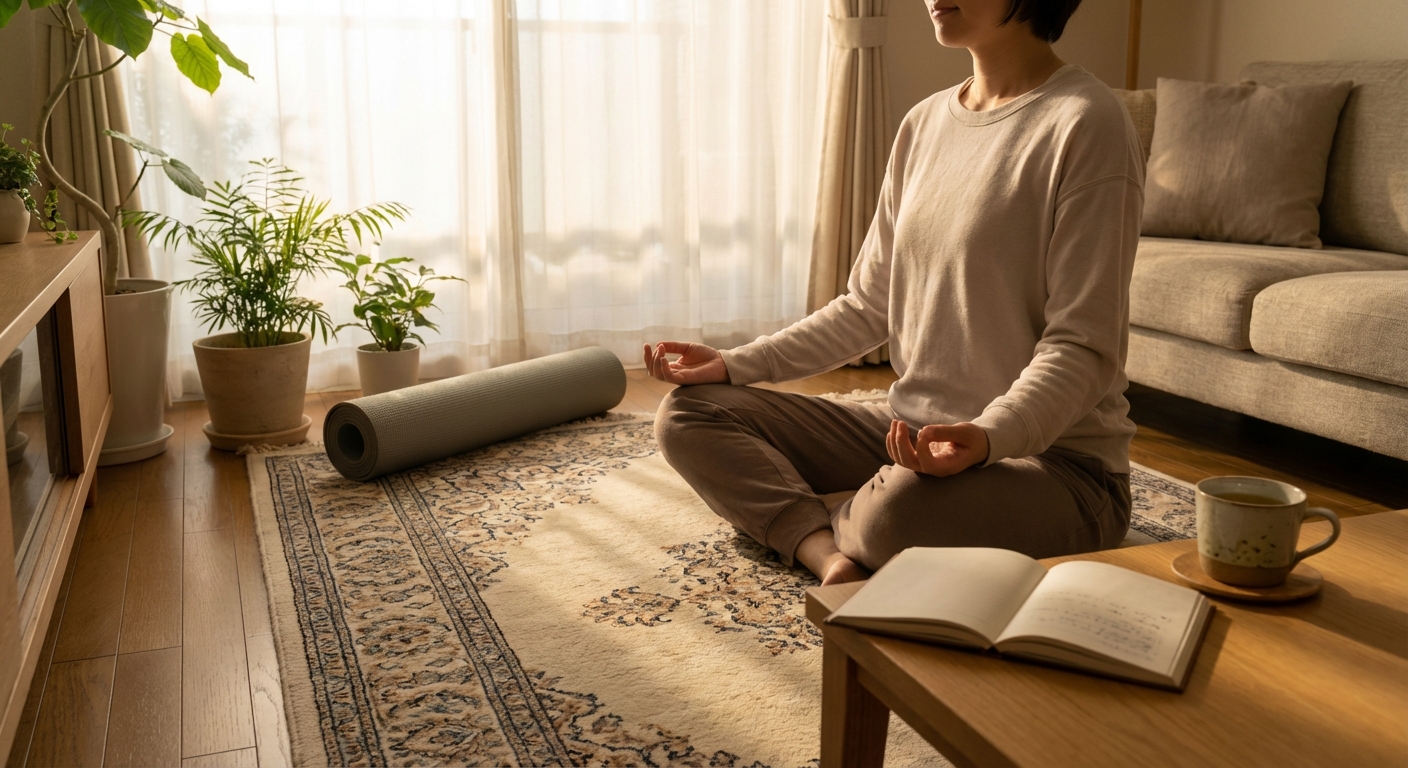
- 10–15 minutes of light stretching
- One chapter of a physical book
When I tested this against my “YouTube until I crash” nights, the difference was obvious. On “wind-down” nights, my heart rate dropped earlier, I had less restless shifting in bed, and I woke up fewer times. My REM sleep — the stage connected to memory and emotional regulation — nudged up on average.
Was it placebo? Maybe partially. But even if half of it was psychological, I’ll happily take “fake calm” over “real chaos” at 11:45 p.m.
3. Cutting the Late-Night Snack I Swore I Needed
This one annoyed me. I liked my 10:30 p.m. snack. But I also hated waking up bloated and weirdly thirsty.
When I shifted my last meal to at least 2–3 hours before bed, my sleep data changed again. Fewer awakenings. Less heartburn. Fewer “why am I sweating?” moments at 2 a.m.
There’s research suggesting late heavy meals can mess with sleep quality and digestion. In my case, the difference was extremely clear: on “late snacking nights,” my sleep felt shallow, even if the total hours looked okay.
I still snack sometimes, but I try to keep it earlier and lighter — fruit, yogurt, or a handful of nuts instead of “half the pantry.”
The Morning Routine That Finally Stuck (Because It Starts with How I Feel, Not What I “Should” Do)
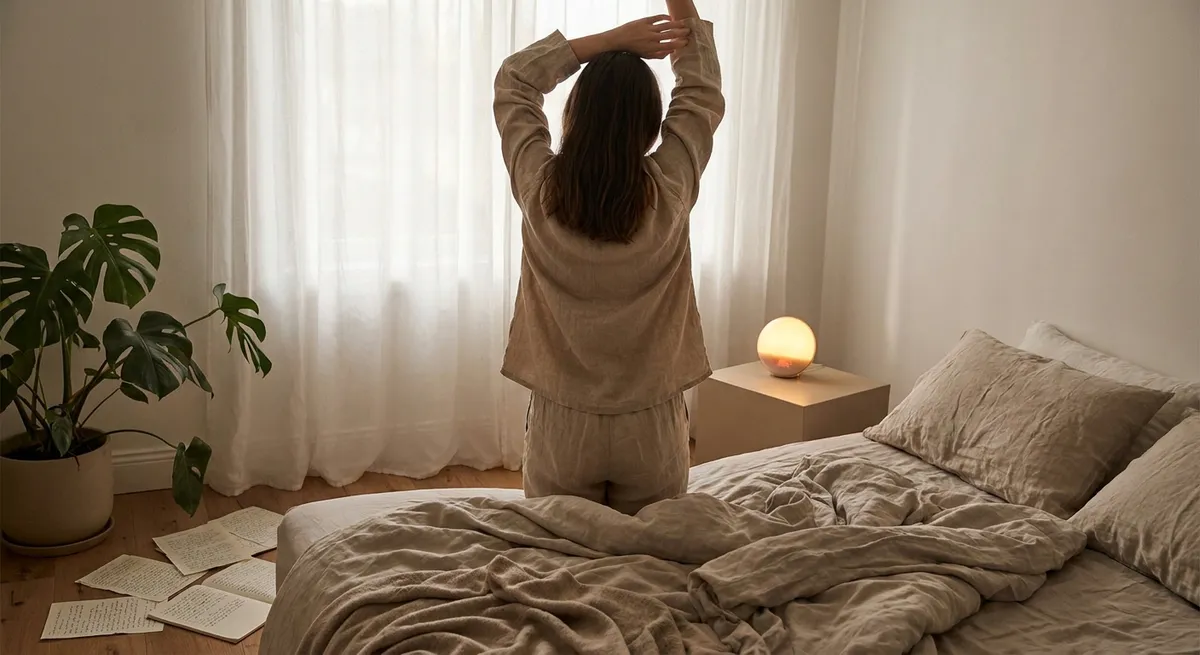
Once the night piece was semi-stable, mornings started to feel less like an emergency. That’s when I replaced my old “alarm-snooze-scroll-coffee” ritual with something that actually supported my brain and body.
Here’s how my sleep-first morning looks on a good day — and what actually moved the needle on my health.
1. Waking Up With a “Check-In” Instead of A To-Do List
When my alarm goes off, I don’t touch my phone. I lie there for 30–60 seconds and ask myself three quick questions:
- How rested do I feel (0–10)?
- Any tension or pain anywhere?
- What’s one thing I can do this morning to support my body?
It sounds cheesy, but this tiny check-in helped me notice patterns. On nights I argued with blue light and doomscrolling, my “rested score” was a 3–4. When I honored my routine, I hit 7–8.
It also changed my mornings from “I have to do this perfect routine” to “what does my body actually need today?” Sometimes that meant movement. Sometimes it meant a slower start. The consistency came from listening, not forcing.
2. Light Before Lattes
For years, I’d wake up and immediately reach for coffee in a dark kitchen. When I learned that morning light exposure helps anchor your circadian rhythm — your internal 24-hour body clock — I decided to test it.
Now, within 20–30 minutes of waking, I aim for at least 5–10 minutes of natural light:
- If it’s nice out, I step onto my balcony or walk around the block.
- If it’s gross outside, I sit by a window with my tea and open the blinds as wide as possible.
On days I get that light, my energy picks up more smoothly, and my afternoon slump is way less brutal. Multiple sleep experts and studies have pointed out that morning light helps regulate melatonin and cortisol in a healthier pattern. My experience lined up almost creepily well with that.
3. Moving Just Enough to Wake My Brain, Not Destroy My Body
I used to think a “good” morning meant a 45-minute high-intensity workout. Guess how often that happened? Almost never.
When I lowered the bar to 10–15 minutes of intentional movement, everything changed. I cycle between:
- Light mobility stretches
- A short walk outside
- A quick bodyweight circuit (squats, pushups, lunges, planks)
On the days I do this, my mood is noticeably better. That’s not me manifesting; that’s basic physiology. Even low to moderate exercise can boost endorphins, improve insulin sensitivity, and support better sleep at night.
There’s a feedback loop here I didn’t expect: better sleep made it easier to move; the movement made my next night of sleep better. Finally, a loop I didn’t hate.
4. Coffee Timing: The Tiny Shift That Helped My Anxiety
This was the hardest experiment: I delayed caffeine by about 60–90 minutes after waking.
Instead of chugging coffee immediately, I’d hydrate, get some light, move a bit, and then drink my first cup.
In my experience, this did two surprising things:
- My energy felt more stable instead of peaking at 9 a.m. and crashing at noon.
- My “background anxiety” — that buzzy, jittery feeling — was slightly lower.
It makes sense. Your body’s cortisol levels naturally spike in the first hour after waking. Slamming caffeine into that mix can amplify jitters and mess with the cortisol rhythm you’re trying to stabilize. Waiting a bit let my body wake up on its own first.
The Health Changes I Actually Felt (and the Parts That Didn’t Magically Fix Themselves)
I didn’t turn into a glowing wellness influencer. My life still has stress, late nights, and bad sleep weeks. But over a couple of months of sleep-first mornings, some shifts were undeniable.
What Quietly Improved
- Mental clarity: The brain fog that made simple tasks feel like climbing a hill mostly faded. I could go from “eyes open” to “functioning human” way faster.
- Mood and emotional reactivity: I still get stressed, but I lose my temper less. Little things feel… little again. Poor sleep is strongly linked to irritability and mood swings, and I was definitely living proof.
- Cravings and appetite: On 5-hour nights, I used to crave sugar and greasy food like my life depended on it. On 7–8 hour nights with a grounded morning, my appetite felt more “steady” and less feral.
- Immune resilience: I got through one particularly gross cold season with just one mild cold instead of my usual “back-to-back plagues” schedule. Obviously, that’s not a controlled experiment, but I’m giving sleep some credit.
What Didn’t Automatically Fix Itself
- Stress from work: My job didn’t become easier. Deadlines didn’t vanish. I still had tense shoulders and the occasional 11 p.m. “I forgot that email” moment.
- Perfect discipline: I broke my own rules — a lot. Netflix binges, late-night texts, snacks in bed. The difference was that I noticed how rough I felt the next morning and adjusted faster instead of pretending it didn’t matter.
- Underlying mental health stuff: If you’re working through anxiety, depression, ADHD, or anything else, sleep helps. But it’s not a substitute for therapy, medication, or professional care. I still needed my therapist and my coping tools. Sleep just gave them a better foundation to work with.
Building Your Own Sleep-First Morning (Without Turning Your Life Upside Down)
If you’re tempted to try this but also thinking, “I have kids / shift work / a life that doesn’t care about circadian rhythms,” I get it. My routine isn’t prescriptive; it’s a blueprint you can bend.
Here’s how I’d start if I were doing this all over again from scratch.
Step 1: Track Reality for 3–5 Days
Not to judge yourself — just to see what’s actually happening.
- What time do you really go to sleep, not just get into bed?
- How often do you wake up in the night?
- What’s your energy like at 10 a.m., 2 p.m., and 5 p.m.?
Use a sleep tracker if you have one, or just a note on your phone. I was shocked by how far off my “I sleep 7 hours” belief was from my actual numbers.
Step 2: Choose ONE Leverage Point at Night
Instead of trying to copy a whole routine, pick the easiest domino that could help your next morning:
- Moving your phone away from the bed
- Setting a regular “lights dim” time
- Swapping out doomscrolling for reading 2–3 nights a week
Test it for a week. Notice how the mornings feel. If nothing changes, adjust. If something feels even 10% better, keep it and stack the next habit.
Step 3: Anchor Morning to Sensations, Not Perfection
Rather than “I must do a 12-step routine every morning,” focus on three anchors that are realistic for your life:
- One thing for your senses: light, fresh air, or splash of water on your face
- One thing for your body: stretch, walk, 10 squats, anything
- One thing for your mind: a check-in, journal line, or two minutes of quiet
On chaotic days, I do the bare minimum version of each. On calm days, I expand them. Either way, the routine lives, instead of dying on the altar of perfection.
Why I’m Never Going Back to “Sleep Last” Mode
I used to treat sleep like an optional upgrade: nice if you can get it, but ultimately negotiable. After living with a sleep-first morning routine, it feels more like the operating system everything else runs on.
My work is better. My relationships feel less strained. My body doesn’t feel like it’s constantly bracing for impact. Not because I became more “disciplined,” but because I stopped asking my exhausted brain to fake being fine.
This isn’t about waking up at 5 a.m. or winning some productivity contest. It’s about noticing how different life feels when rest isn’t the last thing you fit in, but the first thing you protect.
If you decide to try your own version, don’t aim for perfect. Aim for a little more sleep, a little more light, a little more kindness to your nervous system — and watch how many other “health goals” quietly start to feel easier.
Sources
- Centers for Disease Control and Prevention – How Much Sleep Do I Need? – Overview of recommended sleep duration by age and impacts of insufficient sleep
- National Institutes of Health – Sleep Deprivation and Deficiency – Explains health consequences of poor sleep and basics of healthy sleep habits
- National Sleep Foundation – Circadian Rhythm and Sleep – Details how light, timing, and behavior affect the body’s internal clock
- Harvard Medical School – Blue Light Has a Dark Side – Discusses how evening screen exposure influences melatonin and sleep quality
- American Psychological Association – Why Sleep Is Important – Summarizes links between sleep, mood, cognition, and mental health