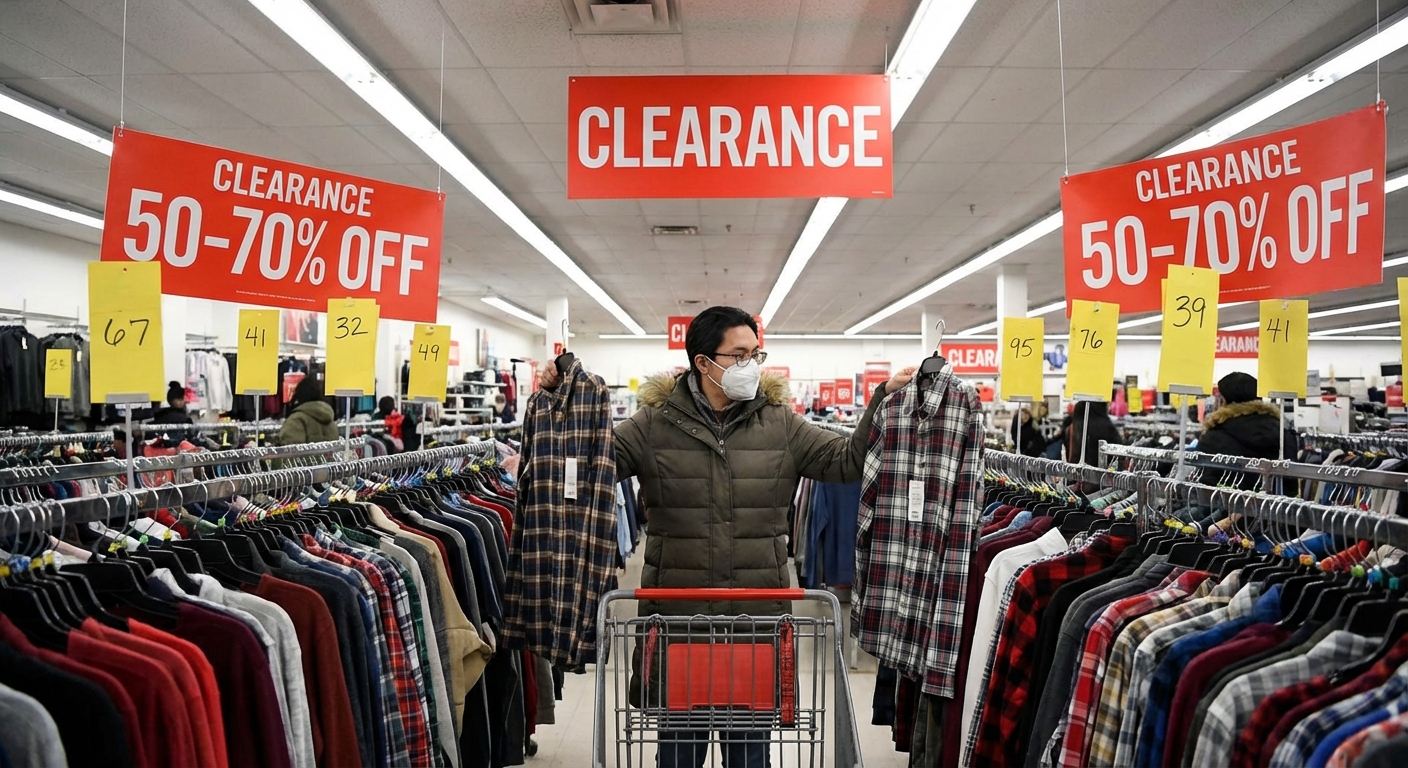

Why Outlet Malls Aren’t the Deal Paradise You Think (And How to Actually Win)
I used to treat outlet malls like Disneyland for adults. Big logos, “70% OFF” signs screaming from every window, that weird high you get when you think you just beat the system. But after tracking receipts, checking SKUs, and literally comparing fabric blends on my phone in the parking lot, I realized something: a lot of those “bargains” are… kinda fake.
I’m not saying outlet malls are a scam. I still shop them. But when I changed how I shopped there, my savings went from imaginary to real. Let me walk you through what I’ve learned the hard way—so you don’t have to find out at the register like I did.
What I Discovered When I Started Checking Outlet Tags Like a Detective
The first time I realized something was off, I was in a “designer” outlet store holding two nearly identical sweaters: one from the outlet, one from the brand’s regular store I’d brought to return. Same color, similar style, similar logo. But when I checked the tags, they were totally different.
The regular store sweater had a dense knit, clear style code, and a price that matched what I’d seen online. The outlet sweater had a flimsier feel, a different style number, and a “compare at” price that didn’t exist anywhere on the brand’s website. That’s when I started digging.
A lot of brands make separate “factory” or “outlet-only” lines. These aren’t leftover items from regular stores; they’re made specifically to be sold at a discount. That doesn’t automatically mean they’re trash—but it does mean you’re not always getting a $200 item for $59. You might be getting a $59 item dressed up as if it used to be $200.
When I tested this across several stores—searching style numbers online, checking materials, comparing stitches and zippers—I kept seeing the same pattern: some items were legit overstock, but a surprising chunk were “made for outlet” pieces I couldn’t find anywhere else… except other outlets.
So now, the second I pick up something at an outlet, I flip the tag, search the style or item number, and compare what pops up online. Sometimes I still buy the outlet-only version—but at least I know what I’m actually paying for.
How I Spot Real Deals vs. Fake Discounts at Outlet Malls
Once I accepted that not everything at an outlet is a hidden treasure, I started focusing on separating real deals from marketing theater. It changed everything.
Here’s what I do each time I go:
First, I do a quick scan of the signage. “Up to 80% off” is code for “one rack in the corner is 80%, everything else is vibes.” When I tested this once at a big name outlet, I walked the entire store. Only a handful of sizes in one style were at the max discount. Everything else hovered around 20–40% off the made-for-outlet price, not the flagship store price.
Next, I feel the fabric and hardware. It sounds weird, but after a while you can tell. Denim that feels papery, zippers that snag, sweaters that already look fuzzy before you even wear them—that’s a red flag. When I compared outlet jeans to mainline store jeans from the same brand, the outlet pair had a higher polyester content and lighter weight denim. Both said “premium,” but only one actually felt like it.
I also watch out for those “compare at” tags. Those numbers often aren’t audited by anyone; they’re more of a suggestion than a fact. I started scanning barcodes with my phone, searching the brand name + item description. If I couldn’t find that “original” price anywhere on the brand’s site or a major retailer, I mentally treated the outlet price as the real, full price.
One more thing I learned the frustrating way: outlet return policies are often stricter. I once grabbed a “final sale” jacket in a hurry because it was “such a deal,” only to realize at home the inside lining felt like a plastic bag. No returns allowed. Now I always ask, out loud, “Is this final sale? What’s the return window?” before I hand over my card.
The Outlet Stores That Usually Are Worth It (And the Ones I’m Careful With)
When I started talking to store staff, pattern-hunting, and cross-checking items online, I noticed something: not all outlet stores play the game the same way.
In my experience, some categories tend to be more reliably good at outlets:
I’ve had decent luck with sport and performance brands—think running shoes, trainers, and last-season workout gear. A lot of what I found was genuinely older stock or past-season colorways. When I tested this with specific shoe models, I could usually find them on the brand’s main site or on big authorized retailers with the same model name. The price difference was often real, not theater.
Beauty and skincare outlets can also be surprisingly legit when they’re brand-owned stores. I once scored a high-end moisturizer in discontinued packaging at nearly half the price just because the brand updated the bottle design. Same ingredients, same formula, uglier box. I don’t need pretty cardboard.On the cautious side: designer fashion and handbags. This is where made-for-outlet stuff is everywhere. I once compared two “leather” bags from a luxury brand—one from their boutique, one from their outlet. The outlet bag used thinner leather, with fabric lining and simpler seams, while the boutique bag had thicker leather and more detailed construction. Both had similar branding, but they weren’t remotely the same quality.
I also watch my expectations at home goods outlets. Some are genuinely great for last-season colors or slight packaging damage, but others have a ton of made-for-outlet items that look like the premium version from afar but feel different up close. When I tested cookware sets, some “outlet only” pieces were lighter, with thinner bases than the line sold at major department stores.
I still shop all of these—but I treat each purchase like an individual decision, not an automatic bargain just because it’s in an outlet village.
The System I Use Now to Actually Save Money (Not Just Feel Like I Did)
The biggest shift for me wasn’t which outlet I went to; it was how I planned the whole trip.
These days, I start with a short, ruthless list of what I truly need: maybe a work blazer, running shoes, and a carry-on suitcase. If it’s not on the list, it has to be an outrageously good find or I walk away. When I tracked my outlet trips over a few months, the “oh, it’s cheap, I’ll grab it” items were the first ones I never wore.
Before I even leave home, I check prices online for the items I want—both regular retail and current sale prices. One weekend I almost bought a pair of sneakers at an outlet that looked heavily discounted… until I saw they were actually cheaper on the brand’s own website with a promo code and free shipping. That was the day I stopped assuming the word “outlet” = best price.
In the store, I take my time. I try things on, move around, sit, bend, check pockets, tug at seams. Outlet dressing rooms can feel like chaos—long lines, messy stalls—but that five-minute try-on has saved me so many returns and regrets. When I rushed and skipped this step, I ended up with jeans that fit only if I didn’t breathe after lunch.
The other thing that helps: setting a hard budget before I see a single sale sign. I literally decide, “I’m spending no more than X today,” and I keep a running mental tally. Once I hit the number, I’m done—even if the last store screams “EXTRA 30% OFF THE ENTIRE STORE.” That final store is where my worst impulse buys were born.
And honestly? Some outlet trips now end with me buying nothing. Old me would’ve forced a purchase “so the drive wasn’t wasted.” New me counts that as a win—because saving 100% by not buying unneeded stuff is still the biggest discount available.
When Outlet Shopping Actually Makes Sense (And When I Stay Home)
After testing outlet trips at different times of year and comparing them to regular online sales, I noticed some clear patterns.
Outlet malls shine for specific situations:
- You want last-season colorways for sneakers, activewear, or outerwear.
- You’re shopping basics—socks, gym shirts, sports bras, loungewear—and don’t care if it’s current season.
- You’re okay with minor cosmetic packaging changes in beauty or home items (old box, same product).
- You like physically seeing and feeling items before buying, especially for shoes and coats.
They’re weaker when:
- You’re after the newest drop or the exact trending style you just saw on Instagram.
- You’re shopping purely because “everything’s on sale,” not because you need anything.
- Gas, tolls, and time turn that “deal” into a wash when you add up the true cost of the trip.
One weekend, I did a nerdy experiment: I wrote down the outlet prices of a few popular items, then checked prices for the same or similar items at home across official brand sites and big online retailers. Between promo codes, loyalty discounts, and free shipping, several “outlet deals” weren’t actually deals at all once I compared the full picture.
Now my rule is: if I wouldn’t be thrilled paying the outlet price without seeing a fake “compare at” number, I don’t buy it. The price has to stand on its own, not on a fictional former life.
Outlet malls can still be fun—I treat them like a treasure hunt, not like a guaranteed gold mine. When I go in with that mindset, I walk out with fewer bags but better stuff… and way less buyer’s remorse.
Conclusion
I still love the rush of snagging something for less—but I love actually saving money more.
Once I stopped treating outlet malls like automatic discount heaven and started treating them like just another retail channel (with their own tricks and trade-offs), my shopping changed. Fewer clothes that fall apart after three washes. Fewer “what was I thinking?” purchases shoved to the back of the closet. More pieces I reach for again and again.
If you go in with a plan, a price-check habit, and a little healthy suspicion of giant red percentage signs, outlets can absolutely work in your favor. And if you end up going home empty-handed? That’s not a failed trip—that’s your budget winning.
Sources
- Federal Trade Commission – Shopping Online and In-Store: Price and Discount Basics – Guidance on understanding pricing claims, “compare at” tags, and discount marketing
- Consumer Reports – Outlet Stores: Are You Really Getting a Bargain? – Investigation into made-for-outlet merchandise and how outlet pricing actually works
- The New York Times – At the Outlet Mall, Not All Discounts Are Created Equal – Explains how many brands manufacture separate product lines specifically for outlet stores
- Better Business Bureau – Tips for Smart Shopping – General advice on comparing prices, return policies, and spotting misleading sales
- Harvard Business Review – The Psychology Behind Shopping Sales – Insight into why markdowns and “limited time offers” are so persuasive and how consumers can resist impulse buys