
I Stopped Panic-Buying on TikTok and My Cart (Finally) Makes Sense
I used to scroll TikTok at midnight and wake up to three shipping confirmations I did not remember approving. A color-changing cup here, a “life-changing” slicer there, and somehow I’d burned through half my fun money on things that ended up in a drawer.
Then I decided to treat my online cart like a lab experiment instead of a feelings dumping ground.
Over a few months, I tested a bunch of tiny mindset shifts, browser tools, and sneaky retail psychology tricks—on myself. I stopped impulse-buying, started actually liking the things I owned, and weirdly, shopping got more fun, not less. Here’s what actually worked when I rewired how I shop online.
The 24-Hour Cart Rule That Saved Me From My Own Brain
I recently discovered that the “OMG I need this now” feeling usually has nothing to do with the product and everything to do with my dopamine-hungry brain.
When I tested a simple 24-hour cart rule, my spending changed fast. Now, unless it’s a true emergency (like replacement toothpaste or I literally ran out of socks), everything sits in my cart for at least a day. No exceptions, even for sale countdown timers, which are almost always fake urgency anyway.
Here’s what surprised me:
Within 24 hours, about half the items became “Why did I even want this?” territory. That trendy acrylic organizer? Vanished from my brain. The aesthetic lamp I was convinced would change my life? Didn’t feel so essential when I wasn’t doomscrolling a perfectly curated desk setup.
There’s actual science behind this. Behavioral researchers have shown that immediate rewards trigger impulsive decisions, while just a little time and distance helps your more rational “future self” weigh in. The American Psychological Association has written a lot about delay discounting—basically how we overvalue “right now” and undervalue “later.” Giving my purchases a “cooling-off” window took me from emotional shopping to intentional shopping without feeling like I was punishing myself.
Does that mean I never impulse-buy? No. If something still sparks joy 24 hours later and passes a few quick checks (Will I use this weekly? Do I already own a version of it?), I hit buy. The difference is I’m choosing it in daylight—literally and mentally—not in a midnight scroll haze.
How I Turned Product Pages Into a Detective Game (And Dodged So Much Junk)
At some point I realized I was treating product pages like cute little ads, not like legal documents describing what I was actually going to receive.
When I switched into detective mode, stuff stopped disappointing me as much.
Now, when I’m tempted, I literally zoom in on:
- Dimensions and weight instead of vibes. That “spacious” bag that looked huge in photos once turned out smaller than my lunchbox. Now I grab a tape measure and compare dimensions to something I already own.
- Materials and construction. Polyester isn’t evil, but if I’m paying “premium” prices, I want cotton, linen, wool, or at least a technical fabric that matches the claims. If a brand is cagey about fabrics, it’s almost never a good sign.
- Care instructions. I returned a gorgeous shirt once because it was “dry clean only,” and I know myself: I’m not a dry-clean-every-week person. Now I read care instructions before I imagine my new personality wearing the outfit.
I also started using negative reviews as gold mines instead of red flags. When I tested this on a pair of wireless earbuds, I ignored the “These suck” one-liners and only paid attention to reviews that showed photos, details, or use cases. That’s how I learned the case hinge was flimsy and the bass was overhyped. Passed.
Research from the University of Southern California and others shows that detailed, specific reviews are much more predictive of reality than star ratings alone. Star ratings are vibes. Details are data.
My personal system now:
- If photos + measurements + materials + care info are vague? I close the tab.
- If reviews talk about the same problem three times or more (sizing off, color wildly different, breaks fast)? I assume it’ll happen to me too, not that I’m the special exception.
Is it a little extra? Yes. But so is driving to a return drop-off annoyed because your “sturdy” shelf arrived wobblier than a baby giraffe.
When “Deals” Aren’t Deals: What Happened When I Started Tracking Prices
When I started actually tracking prices instead of trusting sales banners, I realized I’d fallen for more retail drama than a reality TV marathon.
I tested a browser extension that shows price history (CamelCamelCamel and Keepa for Amazon, Honey for multiple stores) on a few items I was eyeing, like a mid-range air purifier and a pair of running shoes. Watching those charts for a few weeks was like pulling the curtain back on Oz.
What I saw:
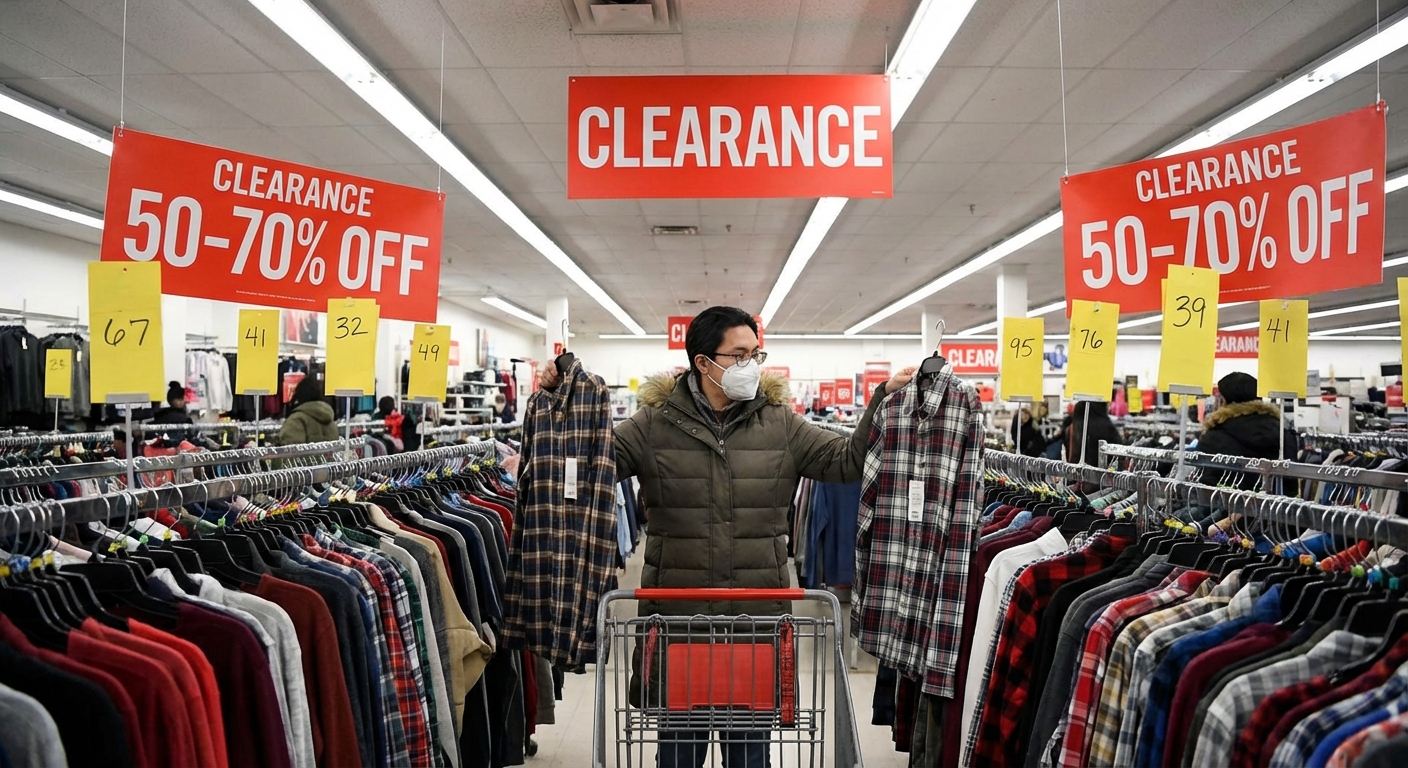
- That “60% OFF – TODAY ONLY” banner? The price had actually been higher a week earlier and kept yo-yoing.
- The “lowest price in 30 days” claim was technically true—but the price 45 days ago was basically the same.
- One gadget I planned to buy on Black Friday was literally cheaper in early October.
The Federal Trade Commission has even called out “fictitious pricing,” where retailers inflate “original” prices so discounts look bigger. Once you know that, those 75% OFF graphics hit very differently.
My new move:
- I add a big purchase to a price tracker and wait at least 2–3 weeks unless it’s urgent.
- I compare 2–3 different retailers, not just the brand’s own site. Sometimes the official site is more expensive than a big-box retailer running a quiet promo.
- I set a mental “I’d feel good paying X” price based on my budget, and if it doesn’t hit that, I don’t buy, even if the sale looks impressive.
Has this made me miss some lightning deals? Yes. Has it also saved me from overpaying for fake “bargains” and pushed me toward buying better-quality items less often? Absolutely.
The 1-In-1-Out Rule That Completely Changed How I Shop for Clothes
My closet used to be a thrift-store explosion. A ton of pieces, nothing to wear.
When I tested a strict 1-in-1-out rule for clothes, I thought it would feel restrictive. It didn’t. It made every purchase heavier in a good way—like I was hiring a new team member, not inviting more chaos.
The rule is simple: for every new clothing item I buy, one has to leave—sold, donated, or responsibly recycled. No shoving things “temporarily” under the bed. I’ve done this for about a year now, and here’s how it changed my shopping:
- I stopped buying “almost right” items. If something new has to replace something I already own, it’s either an upgrade or it’s not worth it.
- I started paying attention to fabric quality more than trends. I buy more cotton, wool, and linen—and less weird poly-blend that pills after two washes.
- I think in outfits instead of single pieces. If I can’t mentally style an item with at least three things I already own, it sits in the cart.
Environmental reports from the Ellen MacArthur Foundation estimate that the average garment is worn far fewer times now than 15–20 years ago, and millions of tons of textiles end up in landfills each year. I can’t fix the whole system, but I can stop treating my closet like a fast-fashion graveyard.
The funny part? Getting dressed is easier. I own fewer clothes, but I actually like and wear almost everything. Shopping became less about “Who do I want to be?” and more about “What do I actually use?”
Why I Started Reading Return Policies Like They Were Contracts (Because They Are)
After getting burned a few times, I now treat return policies like part of the product, not fine print.
A few months ago, I bought a “supportive” desk chair from a trendy startup brand. The website was gorgeous. The chair… less so. It squeaked, the lumbar support felt like a rock, and returning it turned into a customer service obstacle course.
When I compared that to a mattress I’d tested from a big-name brand with a clear 100-night trial and free pickup, the difference was wild. The mattress didn’t work for me either—but the return was simple, respectful, and fast.
Now I check before I buy:
- Return window and method. Can I mail it? Do I have to pay shipping? Is there a restocking fee?
- Condition rules. Can I actually test it, or does “unused” secretly mean “never open the box”?
- Who pays for mistakes. If the item arrives damaged or not as described, do they cover the return label? This is standard among reputable brands.
Consumer protection agencies like the UK’s Competition and Markets Authority and the U.S. Federal Trade Commission have guidelines about fair return practices, but in reality, brands still vary a lot. So now, if a brand makes it hard to find or understand their return policy, I assume they’re not confident in their product—or they don’t want me to send it back.
Honestly, reading return policies has made me buy less but better. If a company offers a generous trial period and clear, easy returns, they’re usually betting on customers loving the product. That’s the kind of bet I’d rather join.
How I Built a “Pre-Approved” Wishlist So I Don’t Shop Mad or Bored
I realized my worst purchases happened when I was either stressed, lonely, or procrastinating something I didn’t want to do. I wasn’t shopping for things—I was shopping for feelings.
To hack that, I made a living, breathing wishlist of “pre-approved” categories and items I’d already thought through when I was calm. Not specific products at first, just areas I’d be happy to invest in: better sleep, genuinely useful kitchen tools, tech I use daily, replacing worn-out basics, gifts for future birthdays.
Then, whenever I saw something shiny on social media, I’d check:
- Does it fit into one of my pre-approved spending categories?
- Does it solve a real irritation in my current life… or just make my fantasy aesthetic look more complete?
When I tested this for three months, I noticed I was way more excited about the things I did buy—like a high-quality chef’s knife I now use every single day, and a weighted blanket that actually improved my sleep. Those didn’t just look good in my feed; they showed up in my real life, repeatedly.
There’s a concept in behavioral economics called “mental accounting,” where we mentally assign money to different buckets. Once I consciously created those buckets—sleep, skills, daily comfort, long-term health—my brain stopped defaulting to “fun = random trinket.”
Do I still ever buy something purely for joy? Yes. I’m not a robot. But those impulse joys now compete with “future me” joys I’ve already decided matter, and weirdly, that makes the splurges feel more delicious when I do choose them.
The Shopping Shift That Actually Stuck
After a few months of experimenting on my own habits, here’s what I noticed most:
- I buy less often, but I almost never regret what I do buy.
- My home feels more intentional and less like a warehouse of random experiments.
- Shopping feels more like a collaboration between “present me” and “future me,” not a tug-of-war.
I still love a good unboxing moment. I still browse late at night. I still sometimes fall for great marketing. But the panic, the guilt, and the “Why did I get this?” pile? Those are mostly gone.
If you try any of this, start tiny: give your next purchase 24 hours in the cart. Read the dimensions and materials like a detective. Or pick one category—maybe clothes or gadgets—and try a 1-in-1-out rule just there.
You don’t have to stop shopping to shop smarter. You just have to stop letting midnight-you run the whole show.
Sources
- American Psychological Association – Understanding the psychology of impulsive behavior – Explains how our brains favor immediate rewards and how delay can improve decision-making
- Federal Trade Commission – Advertising and Marketing Basics – Covers deceptive pricing, “sale” practices, and what counts as misleading to consumers
- CamelCamelCamel – Amazon Price Tracker – Example of a tool that shows historical pricing so you can see if a “deal” is real
- Ellen MacArthur Foundation – A new textiles economy report – Data on clothing lifespan, overconsumption, and environmental impact of fashion
- USA.gov – Shopping Online Safely – Government guidance on safe online buying, returns, and avoiding scams